
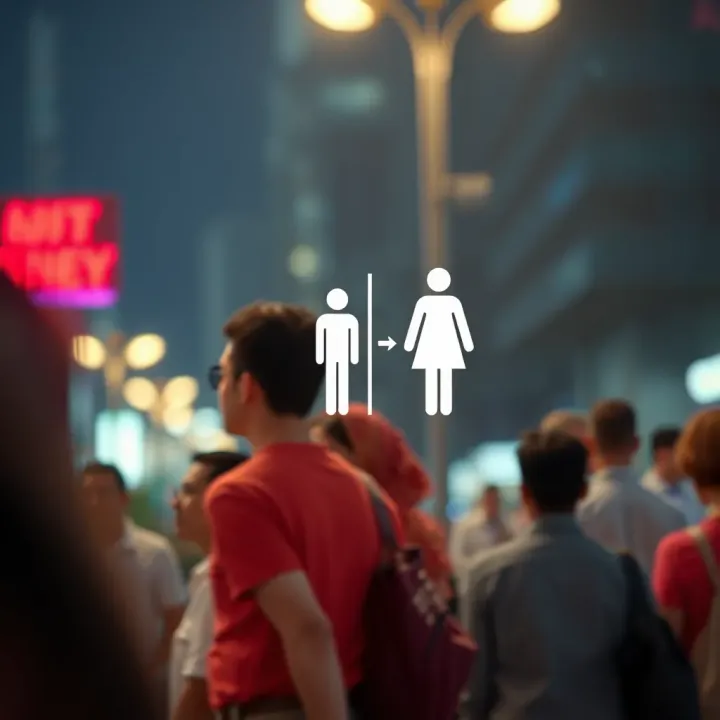
Understanding Non-Binary Identity in Pakistan
Explore non-binary identity 🌈, its place in gender spectrum, challenges in Pakistan 🇵🇰, legal matters ⚖️, social acceptance, and respectful support for equality.
Edited By
Isabella Turner
Understanding non-binary gender is key to recognising identities that do not fit neatly within the traditional categories of male and female. Unlike the binary model that most societies adopt, non-binary people identify outside or between these two genders. This can include a wide spectrum of identities such as genderqueer, genderfluid, agender, or bigender.
In Pakistan, where gender norms have been traditionally rigid, conversations around non-binary identities are slowly gaining ground. The legal recognition of a "third gender" in Pakistan since 2009 marked an important step, yet many non-binary individuals find themselves outside even this framework. Their experiences often involve social challenges including misunderstanding, discrimination, and limited access to gender-sensitive services.
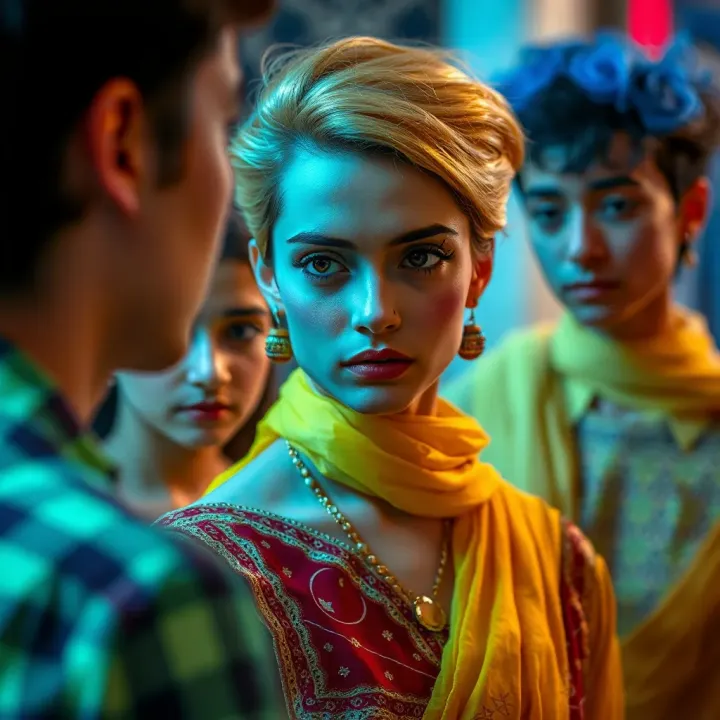
Non-binary gender challenges the idea that everyone must be male or female, encouraging society to embrace diverse experiences of identity and expression.
Non-binary identities can manifest in various ways:
Genderfluid: shifting between different genders over time.
Agender: identifying with no gender at all.
Bigender: identifying with two distinct genders, either simultaneously or at different times.
Respectful language plays an important role. For instance, using gender-neutral pronouns like 'they/them' or locally appropriate alternatives signals inclusivity. Misconceptions—such as non-binary being just a trend or confusion—can be harmful. Genuine understanding involves listening to non-binary voices and acknowledging their lived realities.
This section outlines the basic concept and social visibility of non-binary gender, setting the stage to explore their lived experiences, cultural implications, and legal perspectives in Pakistan. For investors, traders, and financial professionals, recognising diverse identities aids in better market engagement and people management, while educators benefit in offering informed, respectful learning environments.
Clear understanding supports not only social inclusion but also drives respectful workplace policies and consumer relations, especially in Pakistan’s growing service and corporate sectors.
Understanding what non-binary gender means helps clarify identities that do not fit within the traditional categories of male and female. For traders, educators, and professionals handling diverse populations, recognising non-binary concepts promotes respectful communication and more inclusive environments. This awareness is practical; it reduces mistaken assumptions that might affect workplace harmony or education policy effectiveness.
Non-binary refers to gender identities outside the strict male-female binary. Someone who is non-binary may feel like both, neither, or fluctuate between genders. Transgender is a broader term describing people whose gender identity differs from the sex assigned at birth, which can include non-binary individuals but also those who firmly identify as male or female. For example, a person assigned female at birth may transition to male and identify as transgender man, while another might identify as non-binary, feeling neither fully male nor female.
This distinction matters because policies and awareness campaigns need to address these groups' different experiences. Often non-binary persons face exclusion even within broader transgender discussions, so a clear understanding helps in crafting specific support systems.
Gender exists on a spectrum rather than a simple binary. Beyond male and female, identities include but are not limited to genderqueer, genderfluid, agender, bigender, and more. For example, a genderfluid person’s identity shifts over time or context, which impacts how they may want to be addressed or supported.
Recognising this spectrum is useful in education and the workplace to avoid rigid policies that force individuals into fixed categories. Dress codes or restroom facilities limited to ‘men’ and ‘women’ create practical barriers for non-binary people, which organisations should aim to address.
Genderqueer is a broad term for people whose gender identity does not fit conventional categories. Genderfluid individuals experience changes in their gender identity over time, feeling different genders at different moments. Agender means lacking a gender identity altogether. Practical recognition of these terms means policies and social interactions respect this diversity instead of enforcing traditional gender roles.
For instance, an agender person might prefer neutral clothing and pronouns, and workplaces that provide flexibility in dress codes and communication styles show inclusive care.
Pronouns like he, she, and they are key in respecting a person's identity. Many non-binary people prefer gender-neutral pronouns such as they/them or ze/hir to better reflect their identity. Using correct pronouns signals respect and acknowledgement.
In an office or classroom, simply asking for someone’s pronouns and using them consistently can make a big difference. It prevents discomfort and fosters an inclusive atmosphere where everyone feels valued.
Proper understanding and respect for non-binary identities, including terms and pronouns, are practical steps towards creating more inclusive and fair workplaces and educational spaces.
Understanding non-binary identities requires looking beyond Western frameworks and recognising how various cultures and histories have approached gender differently. This context helps build a full picture of gender diversity, showing that non-binary is not just a contemporary concept, but part of many cultural narratives worldwide.
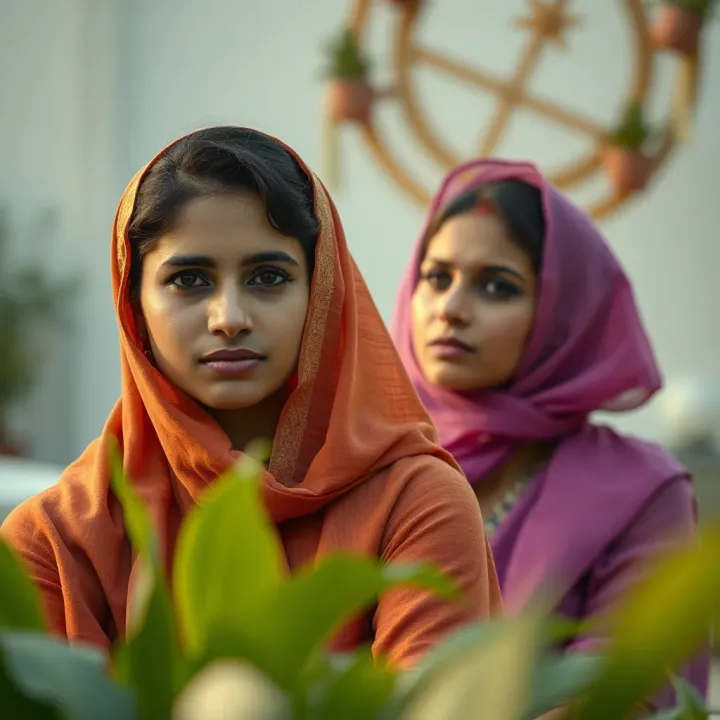
South Asia has a long history of recognising gender identities outside the male-female binary. The Hijra community, for instance, has been part of the Indian subcontinent's social fabric for centuries. Often viewed as neither entirely male nor female, Hijras occupy a unique social and spiritual role. Despite social challenges, they have distinct cultural practices and community structures that reflect gender diversity.
Similarly, ancient texts and folklore often mention individuals who embody traits or roles beyond typical gender norms. These narratives remind us that South Asian societies have recognized gender fluidity, although modern societal pressures sometimes overshadow these traditions. Appreciating this history is crucial to understanding the roots and legitimacy of non-binary identities in the region today.
Around the world, indigenous cultures have long acknowledged multiple gender identities. Native American Two-Spirit people are a well-known example; these individuals often fulfill special cultural or spiritual functions outside Western gender binaries. Similarly, pre-colonial societies in Africa, Oceania, and other regions embraced gender diversity in various forms.
These traditions offer proof that non-binary gender identities are not new or Western imports. Instead, they have existed globally in many societies over centuries. This broader perspective challenges the current social assumptions and underlines the importance of respecting cultural gender expressions.
Pakistani society largely follows strict binary gender roles deeply rooted in social, religious, and cultural norms. Men are generally expected to be breadwinners and public figures, while women are often assigned domestic roles, focusing on family and household duties. These expectations influence behaviour, clothing, speech, and even career options.
This rigid framework limits the space for recognising or accepting identities that don’t fit into 'male' or 'female' categories. It also shapes public policies, education, and workplace environments, often sidelining those who identify outside this binary.
Non-binary people in Pakistan face several difficulties, starting from lack of awareness to social exclusion and discrimination. They may struggle with official documentation, healthcare access, and family acceptance, where their gender experience does not align with accepted norms.
This exclusion impacts mental health, economic opportunities, and social participation. Understanding these challenges is essential for investors, educators, and policymakers to create inclusive environments that respect gender diversity. Promoting education, legal reforms, and community support can address these gaps, opening pathways for non-binary individuals to thrive socially and economically.
Recognising cultural and historical contexts helps break stereotypes and promotes a more inclusive understanding of gender beyond traditional binaries, particularly in societies like Pakistan where rigid norms still hold sway.
Understanding the experiences of non-binary individuals is essential to addressing their unique social and mental health challenges. These lived realities highlight the gaps in societal acceptance and reveal areas where policy and community support need strengthening. For traders, investors, educators, and others engaging with diverse communities, this knowledge fosters empathy and promotes inclusive practices.
Stigma and lack of awareness often create the biggest hurdles for non-binary people. Many in Pakistani society remain unfamiliar with gender identities beyond the male-female binary, leading to misconceptions or outright dismissal. This lack of awareness frequently results in non-binary individuals facing prejudice and isolation, both in personal and public spaces. For example, a young non-binary student might shy away from expressing their identity openly for fear of bullying or rejection.
In workplaces and educational institutions, these attitudes translate to barriers that undermine participation and growth. Without sensitivity training or inclusive policies, non-binary employees or students might experience misgendering, exclusion from social activities, or limited career advancement. An example here is a non-binary employee denied access to gender-neutral washrooms, which not only impacts comfort but also signals a lack of respect.
Pakistani educational settings often follow strict gender norms, affecting curriculum, classroom dynamics, and administrative procedures. Non-binary students find it challenging to navigate environments that offer little space for gender diversity. Attendance registers, uniforms, and extracurricular activity tracking typically enforce binary gender divisions, making it difficult for such students to feel a sense of belonging or safety.
In professional settings, absence of legal recognition and awareness can limit job opportunities for non-binary individuals. Employers unaware of gender diversity may overlook needed accommodations or fail to update human resource policies accordingly. For instance, recruitment forms that provide only "male" or "female" options inherently exclude non-binary candidates, discouraging them from applying.
Impact of non-acceptance on mental health is severe among non-binary individuals. Rejection by family, peers, or colleagues often leads to anxiety, depression, and feelings of invisibility. Studies in Pakistan have linked social exclusion to increased risks of self-harm and suicidal ideation in gender-diverse populations. The emotional burden increases when support networks are scarce or misunderstanding prevails.
While formal mental health services tailored for non-binary people remain limited, several NGOs and community groups in Pakistan provide counselling and safe spaces. Organisations working on LGBTQ+ rights increasingly offer peer support groups, helplines, and awareness workshops to bridge this gap. For example, Helpline Pakistan and some regional groups provide confidential support for individuals struggling with gender identity issues.
Creating stronger and visible support systems is vital for improving well-being and social integration. Educational institutes and workplaces adopting inclusive policies can partner with community organisations to train staff, provide resources, and revisit facilities like washrooms to be more accessible.
Recognising and acting on the social and mental health challenges that non-binary people face can lead to more inclusive, productive environments in every sector, benefiting communities and businesses alike.
Key takeaways for professionals:
Raise awareness and challenge misconceptions within your circles.
Advocate for inclusive policies and practices.
Support mental health initiatives specific to gender diversity.
Foster safe and welcoming spaces, whether in classrooms or boardrooms.
Recognising gender diversity in Pakistan is a significant step towards inclusivity and equal rights for individuals who do not fit into traditional gender categories. This recognition matters because it impacts access to legal protections, social acceptance, and basic services like healthcare and employment. Without formal acknowledgment, non-binary and transgender people often face discrimination that can affect their quality of life and economic opportunities.
Pakistan’s legal framework currently acknowledges transgender individuals under the Transgender Persons (Protection of Rights) Act 2018. This law allows transgender people to self-identify their gender on official documents such as the Computerised National Identity Card (CNIC), which is essential for voting, employment, and accessing government services. However, the act primarily addresses transgender rights and does not explicitly cover non-binary identities. As a result, non-binary individuals face challenges obtaining legal recognition that reflects their gender identities.
The absence of clear policies for non-binary gender recognition leaves many people in a legal limbo. For instance, non-binary individuals may have to legally identify as male or female, contradicting their personal identity and causing practical difficulties when navigating official systems. This lack of recognition also limits their ability to access tailored social support or anti-discrimination protections that transgender people enjoy.
Transgender rights in Pakistan have seen progress through legal reforms and social initiatives, creating a somewhat clearer path to recognition compared to non-binary individuals. The 2018 act brought fundamental rights such as protection against discrimination and harassment and ensured access to education, employment, and healthcare for transgender people. Despite these advances, non-binary individuals often remain outside this protective umbrella because existing laws do not explicitly recognise genders beyond male and female.
This contrast highlights a gap in the legal system; while transgender people may benefit from legal safeguards and recognition, non-binary individuals do not have similar clarity or protection. This difference can affect how these communities navigate workplaces, healthcare facilities, and public life. Broadening rights to include non-binary identities would help bridge this divide and promote greater social equality.
Activists and NGOs in Pakistan play a crucial role in pushing for expanded recognition of gender diversity, including non-binary identities. Organisations like the Gender Interactive Alliance and other grassroots groups work on awareness-raising, legal aid, and community support. They advocate for broader legal reforms that cover all gender identities beyond the binary, helping policymakers understand the diverse needs of gender-diverse populations.
This advocacy also extends to workshops, seminars, and training sessions conducted in educational and corporate spaces to encourage inclusion and reduce stigma. Efforts by these groups contribute towards a more informed society that is gradually more accepting of gender diversity.
Media in Pakistan has started to portray transgender people more frequently in dramas, documentaries, and news stories, which shapes public perceptions. Positive portrayals help humanise gender-diverse communities and challenge stereotypes. However, non-binary representation remains limited, often overlooked in mainstream coverage.
Increased visibility of non-binary individuals in media could play a vital role in normalising their identities, fostering acceptance, and influencing policy change. Balanced and accurate media portrayal ensures that public discourse reflects the complexity of gender identities, supporting social inclusion and rights recognition.
Understanding the existing legal landscape, ongoing advocacy, and media’s role is essential to recognising the rights of all gender-diverse people in Pakistan and creating an environment of equality and respect.
Promoting respectful language and inclusion is key to supporting non-binary individuals in Pakistani society. Using correct terms and pronouns not only honours personal identities but also reduces misunderstandings and social tensions. This approach encourages an environment where everyone feels valued and safe, which is especially important given the challenges non-binary people face in social and professional settings.
Pronouns form a basic but powerful way to respect someone's identity. When you use a person's chosen pronouns, it affirms their sense of self and signals acceptance. For example, a non-binary person might prefer "they/them" or "ze/hir" instead of "he" or "she". Refusing to respect these choices can make people feel unseen and increase feelings of exclusion or anxiety.
In practical terms, asking for and using correct pronouns prevents awkwardness and helps build trust, whether in trading floors, classrooms, or offices. Simple acts like adding your pronouns in email signatures or meetings normalise these conversations and reduce stigma.
Respectful communication goes beyond pronouns. It includes avoiding assumptions about gender based on appearance or name, and using inclusive language in both speech and writing. For instance, saying "everyone" or "team" instead of "ladies and gentlemen" creates a more inviting atmosphere.
If you are unsure, politely asking, "What pronouns do you use?" or "How do you identify?" shows respect without making assumptions. Remember, language evolves, so staying open to learning and adjusting your terms keeps communication inclusive.
Schools and universities play a crucial role in fostering inclusion. Introducing awareness sessions for students and staff about gender diversity helps reduce bullying and discrimination. Facilities like gender-neutral washrooms and clear policies against harassment encourage participation without fear.
For example, a university in Islamabad establishing a dedicated support group for non-binary students saw better attendance in classes and extracurricular activities, as students felt safer and recognized. This inclusion also nurtures diverse talents that benefit the wider community.
Workplaces should adopt clear anti-discrimination policies that include gender diversity. Training sessions on inclusive behaviour prepare employees to respect all colleagues. Simple measures like respecting pronoun badges or avoiding gendered dress codes contribute to comfort and productivity.
Public spaces such as banks or clinics in Karachi introducing customer service training about gender sensitivity report better client satisfaction, especially among younger generations embracing diversity. These steps not only improve social harmony but also boost organisational reputation in domestic and international markets.
Using respectful language and creating inclusive spaces are not just ethical choices; they positively affect social cohesion, mental wellbeing, and economic opportunity in Pakistan's evolving society.
Explore non-binary identity 🌈, its place in gender spectrum, challenges in Pakistan 🇵🇰, legal matters ⚖️, social acceptance, and respectful support for equality.

Explore the identity and experiences of non-binary persons in Pakistan 🌈, including social challenges and the urgent need for respect and inclusion in our society.

🔍 Learn binary trading basics, key strategies, risks, legal aspects & trusted platforms in Pakistan. Manage your investments smartly for better financial outcomes. 📈💰
Explore the meaning and context of non-binary identity 🌈 giving Pakistani readers insight into gender beyond male and female, including cultural challenges and recognition.
Based on 8 reviews