

Understanding Binary Classification Basics
🔍 Explore binary classification in machine learning—key concepts, popular algorithms, evaluating models, and practical uses across real-world scenarios.
Edited By
Sophia Clarke
Non-binary identity refers to a gender experience that doesn't fit within the traditional categories of male or female. It challenges the common assumption that everyone falls strictly into one of these two genders. In Pakistan, where gender roles have historically been rigid and closely tied to cultural and religious norms, understanding non-binary identities can offer fresh insights into diverse human experiences.
People who identify as non-binary may feel that their gender is a mix of male and female, somewhere in between, or completely outside those labels. For example, someone might not feel comfortable being called 'he' or 'she' and prefer neutral pronouns like 'they' or local terms that acknowledge fluidity.
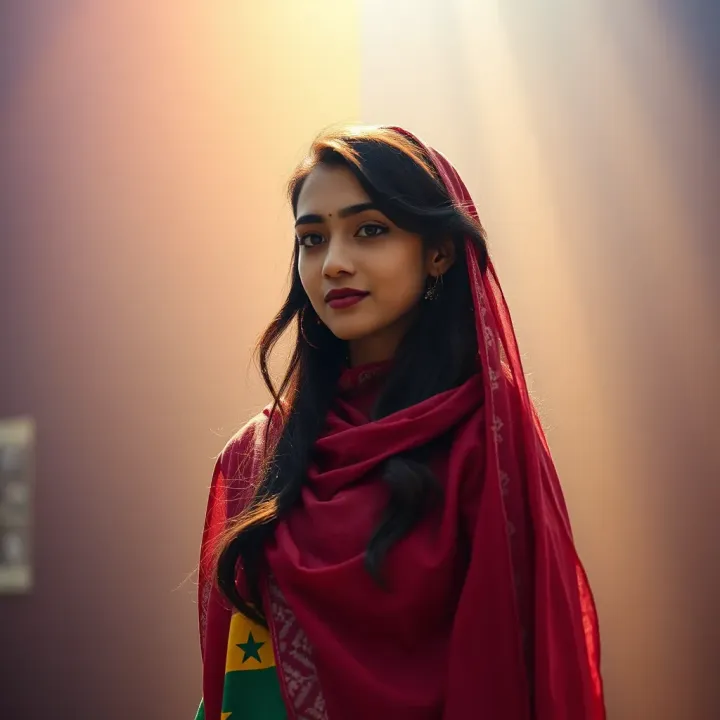
Non-binary identity highlights that gender is not only biological but also deeply connected to personal identity, culture, and society.
Non-binary is an umbrella term, covering a variety of gender identities. These include genderqueer, genderfluid, agender (without gender), and others. Each person’s experience is unique, and their way of expressing gender can differ widely.
In Pakistan, non-binary people often face challenges both socially and legally. The two-gender system is embedded in documentation like CNICs (Computerised National Identity Cards) and official forms, leaving little room for recognition beyond male and female. This lack of acknowledgment affects access to services, employment, and social acceptance.
Importantly, some cultures within Pakistan historically recognised more fluid gender identities, such as the hijra community. While hijras have distinct cultural roles, the broader concept of non-binary goes beyond this recognised group to include others who may not identify as male, female, or hijra.
Understanding non-binary identity involves:
Recognising gender as a spectrum rather than a binary
Respecting individuals' pronouns and self-identification
Acknowledging the social and legal challenges faced by non-binary people in Pakistan
This awareness is especially useful for educators, financial analysts, traders, and business professionals who want to foster inclusive environments. Whether in workplace policies or community interactions, recognising non-binary identities promotes respect and reduces misunderstandings.
Having said that, this topic still requires more public education and legal reforms in Pakistan to ensure dignity and rights for all gender identities.
Understanding what non-binary means is essential for recognising the diversity of gender identity beyond the traditional male and female categories. This concept challenges the rigid binary framework, helping to create space for individuals who do not identify exclusively as a man or a woman. For readers in Pakistan, where cultural and legal recognition often focuses strictly on these two genders, knowing what non-binary means can foster greater empathy and respect.
Non-binary gender refers to identities that exist outside the conventional male/female split. People who identify as non-binary may see themselves as a mix of both genders, neither, or somewhere entirely different. For example, someone might feel their gender is fluid, shifting between masculine and feminine at different times. This understanding is practical when respecting people’s preferred pronouns or names, which may not align with typical gender expectations.
Within non-binary, there is a wide range of personal identities and expressions. Some use terms such as genderfluid, bigender, or demigender to describe their experience. Each label reflects a unique way of relating to gender, and the choice often depends on the individual's feelings and cultural context. Recognising these variations is important in daily interactions, including in workplaces or social spaces, where using correct terms can validate someone’s identity.
Non-binary is sometimes confused with related terms like transgender, genderqueer, or agender, but each has distinct meanings. Transgender usually refers to someone whose gender identity differs from the sex assigned at birth but often identifies as male or female. Genderqueer is a broader term that challenges traditional gender norms but may overlap with non-binary. Agender individuals identify as having no gender at all. Understanding these differences helps avoid lumping diverse identities together, which can be inaccurate and dismissive.
Grasping these distinctions improves communication and inclusion, especially in Pakistani society where gender diversity is still gaining visibility.
By appreciating what non-binary means and how it differs from other identities, readers can better support friends, colleagues, or clients who may live outside traditional gender categories. This knowledge builds the foundation for greater social respect and practical support across various community and professional settings.
Understanding the history and cultural roots of non-binary identities helps clarify how this concept is not new or Western-centric but has existed worldwide in various forms. This background gives context to the diversity of gender beyond male and female, avoiding oversimplification.
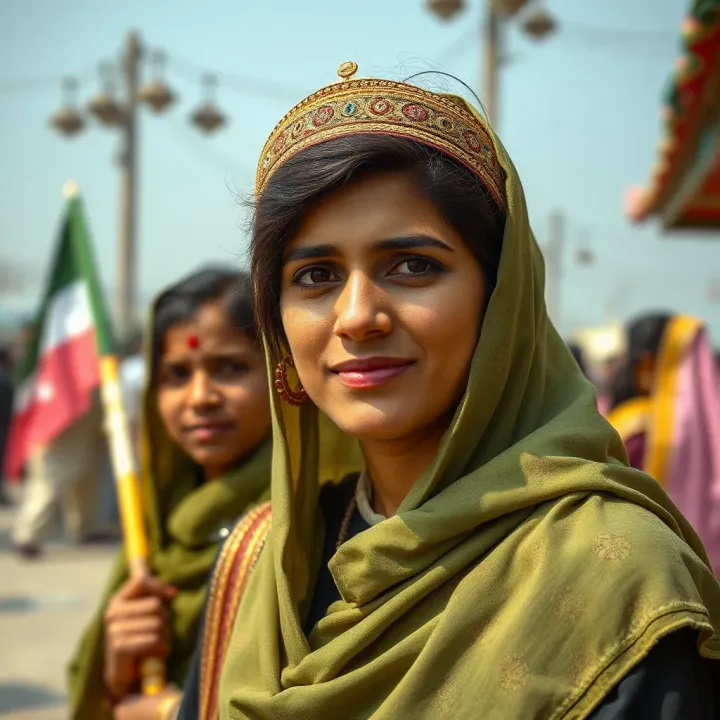
Cultures around the world have recognised gender outside the binary for centuries. For instance, Native American societies acknowledge “Two-Spirit” people, who embody both masculine and feminine traits and hold respected social roles. Similarly, in Samoa, the fa’afafine community, individuals who do not fit typical male or female categories, are widely accepted and integrated in society.
These examples show that non-binary identities often carry unique social and cultural significance, rather than being mere personal preferences.
Regarding legal recognition, several countries have moved beyond the traditional male/female gender markers on official documents. Nations like Pakistan, Nepal, and New Zealand have introduced a third gender option on passports and national identity cards, providing legal status to non-binary and transgender individuals. This recognition helps protect rights related to healthcare, employment, and education.
Countries including Germany and Canada allow citizens to identify as non-binary or X on legal paperwork, reflecting growing awareness and inclusiveness at governmental levels. However, such policies vary greatly worldwide, and many places still lack formal recognition.
South Asia has a long history of recognising gender outside the male-female binary, especially through communities such as the hijras. Hijras traditionally occupy a third gender role, often linked to religious and cultural practices. Their social position has included performing blessings and participating in family ceremonies.
In Pakistan, though hijras have historical presence, acceptance remains complex. Public attitudes fluctuate between respect, marginalisation, and discrimination. While legal recognition exists to some extent, for example in voting rights and CNICs, social acceptance is patchy and sometimes constrained by religious and cultural norms.
Non-binary and gender-diverse individuals face challenges such as lack of awareness, stigma, and limited access to tailored healthcare services. Efforts by activists and NGOs aim to improve visibility and rights, but full inclusion in society is still a work in progress.
This cultural context is crucial for understanding non-binary identities in Pakistan and highlights the distinct challenges and opportunities in acknowledging gender diversity here.
Understanding the everyday experiences and choices of non-binary people helps break down misconceptions and promotes empathy. This knowledge reveals how gender expression differs from traditional norms, highlighting personal identity’s diversity beyond male or female categories. For financial analysts and educators alike, appreciating such diversity improves communication and inclusivity in professional spaces.
Pronouns and names are crucial for non-binary individuals to affirm their identity. Unlike traditional he/him or she/her pronouns, many use they/them or neopronouns like ze/zir. Respecting someone's pronouns isn’t just politeness; it acknowledges their existence and can greatly impact their mental wellbeing. For example, a colleague using ‘they/them’ pronouns expects those around to do the same, and ignoring this can cause discomfort or alienation.
Names also carry significant weight. Some non-binary people prefer gender-neutral names or new names that better reflect their identity. Using the correct name in official documents or everyday interactions helps validate their experience. In workplaces and educational institutes, updating records accordingly shows respect and fosters a supportive environment.
Clothing and style preferences offer visible ways non-binary people express themselves. They often choose attire that breaks away from strict male or female styles — a combination of traditionally masculine and feminine elements or something entirely different. For instance, a person might pair a kurta with jeans and sneakers, mixing cultural and casual styles to fit their gender expression.
This flexibility challenges societal expectations in places like Pakistan, where dress codes tend to be gendered. Understanding this helps institutions accommodate diverse dress styles without prejudice, which improves comfort and confidence for non-binary individuals.
Facing misunderstanding or discrimination remains a common struggle. Non-binary people frequently encounter ignorance or outright prejudice in social, professional, and family settings. Misgendering — using wrong pronouns or names — is a common example, sometimes done unintentionally but deeply hurtful nonetheless.
Such experiences can affect career growth or educational opportunities, as some employers or colleagues may doubt abilities based on gender identity misconceptions. Addressing these challenges requires awareness, training, and policies that explicitly protect and include non-binary individuals.
Access to healthcare and legal recognition is another serious hurdle. In Pakistan, official documentation like the Computerised National Identity Card (CNIC) does not recognise genders beyond male or female, making it hard for non-binary people to access services or exercise legal rights.
Healthcare providers often lack training on non-binary health needs, which range from hormone therapy to mental health support. Without proper recognition and accessible services, non-binary individuals may avoid seeking help, leading to negative health outcomes. Advocacy for legal reforms and sensitisation in medical fields is essential to improve this situation.
Respecting and acknowledging non-binary experiences at work, in healthcare, and within families not only supports individuals but strengthens social cohesion and diversity overall.
By recognising the ways non-binary people live and the obstacles they face, Pakistani society can move towards inclusive practices that benefit everyone, including traders, investors, and educators navigating increasingly diverse environments.
Raising awareness about non-binary identities in Pakistan holds growing importance as conversations around gender diversity gain traction. Understanding and support not only help in reducing stigma but also pave the way for more inclusive social and legal frameworks. For businesses, educators, and financial analysts, recognising this evolving aspect of society can influence workplace culture, policymaking, and market dynamics.
Public understanding of non-binary identities in Pakistan is still limited but slowly changing. Traditional views often favour a clear male-female binary, resulting in widespread unfamiliarity with non-binary concepts. The media plays a key role here, though it mostly offers sporadic coverage, often focusing on sensational aspects rather than informative content. Some TV talk shows and social media influencers have started addressing gender diversity more thoughtfully, which helps spark awareness among younger audiences. Yet, mainstream media still rarely portrays non-binary individuals positively or accurately.
This lack of representation affects how employers, schools, and public services interact with non-binary people, often unaware of their specific needs or identities. For example, official forms and workplace policies frequently assume just two gender options, causing practical difficulties for non-binary individuals.
Activists and civil society organisations lead much of the progress on non-binary awareness in Pakistan. Groups like the Queer Collective Pakistan and NGOs focusing on LGBTQ+ rights have been active in educating the public and advocating for policy reform. They organise workshops, training sessions, and online campaigns that explain non-binary identities clearly to diverse audiences.
These activists also engage with government bodies and media houses to encourage respectful language and legal recognition. Their work has helped open dialogue in urban centres like Karachi and Lahore, though challenges remain in rural and conservative areas.
Various community groups across Pakistan provide safe spaces for non-binary individuals to share experiences and seek support. These include informal meet-ups, online forums, and dedicated social media pages where people can connect anonymously or openly. For instance, Instagram and Facebook groups run by younger activists offer peer advice on issues like gender expression and mental health.
Such communities also help tackle feelings of isolation, which many non-binary people face, especially if their family or workplace is unsupportive. Being part of a group that understands these issues makes a tangible difference.
Access to counselling services sensitive to non-binary needs is still rare but gradually increasing in Pakistan. Some NGOs and helplines provide psychological support tailored to gender diversity, helping individuals cope with discrimination or identity questions.
Legal aid is equally crucial but less developed. Few lawyers specialise in gender rights, making it hard for non-binary people to navigate official processes like CNIC (Computerised National Identity Card) gender marker changes or address discriminatory practices. However, activist organisations frequently offer guidance and sometimes pro bono legal assistance to those facing legal hurdles related to their gender identity.
Building awareness and support infrastructure for non-binary individuals in Pakistan is not just a social matter; it impacts economic inclusion, educational equity, and human rights enforcement. Engaging with this shift thoughtfully benefits organisations and society alike.
Understanding non-binary identities is important because it ties directly to respecting human rights and diversity in Pakistan's society. Legally, Pakistan recognises third gender categories to some extent, but this recognition often focuses on transgender individuals and may not fully cover non-binary people. Practical implications include the need for inclusive legal documents, such as CNIC registration that acknowledges gender outside male or female, which helps non-binary individuals access services without discrimination.
Socially, lack of awareness leads to exclusion and stigma. Respecting non-binary identities means acknowledging the existence of varied gender experiences beyond traditional norms. This helps prevent harassment or social isolation many non-binary people face, particularly in more conservative or rural areas where traditional gender roles dominate.
Building inclusive communities starts with creating safe spaces where everyone, including non-binary people, can participate without fear. This can happen in neighbourhoods, workplaces, and public venues. When communities value diversity, they tend to be more resilient and creative. For example, companies in Pakistan opening up equal opportunity policies that include non-binary persons often report better teamwork and innovation.
Such inclusiveness also strengthens social cohesion. Non-binary individuals who feel accepted are more likely to contribute positively to economic and social activities. This benefits Pakistan as a whole, promoting unity in diversity and helping to move past rigid gender stereotypes.
Schools, workplaces, and families play a key role in fostering understanding. In schools, curricula that mention diverse gender identities can reduce confusion and bullying. Educators trained to handle questions about non-binary identities help create an environment where young people learn respect from early on.
Similarly, workplaces that offer gender-neutral policies — from washrooms to dress codes — support non-binary employees. Training for managers and staff can reduce unconscious bias. Families that understand and accept non-binary relatives create supportive homes, which is vital in Pakistan’s close-knit cultural setup.
Reducing stigma requires ongoing conversations. Public awareness through media, seminars, and community talks challenges misconceptions and prejudices that often come from misinformation or lack of exposure. When people see non-binary identities respectfully represented, it helps normalise these experiences and reduces discrimination.
Acceptance is not just about tolerance but about valuing each person’s identity as part of Pakistan’s social fabric.
Promoting acceptance improves mental health outcomes for non-binary individuals, many of whom face anxiety or depression due to societal rejection. Encouraging open dialogue also helps protect them from violence and discrimination, fostering a more just and equal Pakistan.
🔍 Explore binary classification in machine learning—key concepts, popular algorithms, evaluating models, and practical uses across real-world scenarios.
📊 Learn binary addition with clear, practical examples! Understand basics, carrying method, and solve problems confidently for easy mastery of binary numbers.

Learn how binary division works step-by-step with our easy calculator 🧮. Understand binary numbers, algorithms, and examples to boost your skills confidently!

Explore the essentials of binary digits (bits) 🖥️ – how they form data, drive computing, and support error detection in today’s tech world.
Based on 11 reviews