

Effective Risk Management in Project Management
📊 Learn effective risk management in projects to spot, analyse & control risks with practical tips & tools tailored for Pakistani businesses for success.
Edited By
Daniel Foster
Credit risk management refers to the process of identifying, assessing, and controlling the risk that borrowers or counterparties may fail to repay their debts. This risk affects banks, financial institutions, and businesses alike, impacting their profitability and stability.
In Pakistan's financial landscape, managing credit risk has become especially important. Volatile economic conditions, currency fluctuations, and regulatory changes pose constant challenges. For instance, during periods of rising inflation or political uncertainty, defaults on loans can spike, hurting lending institutions.
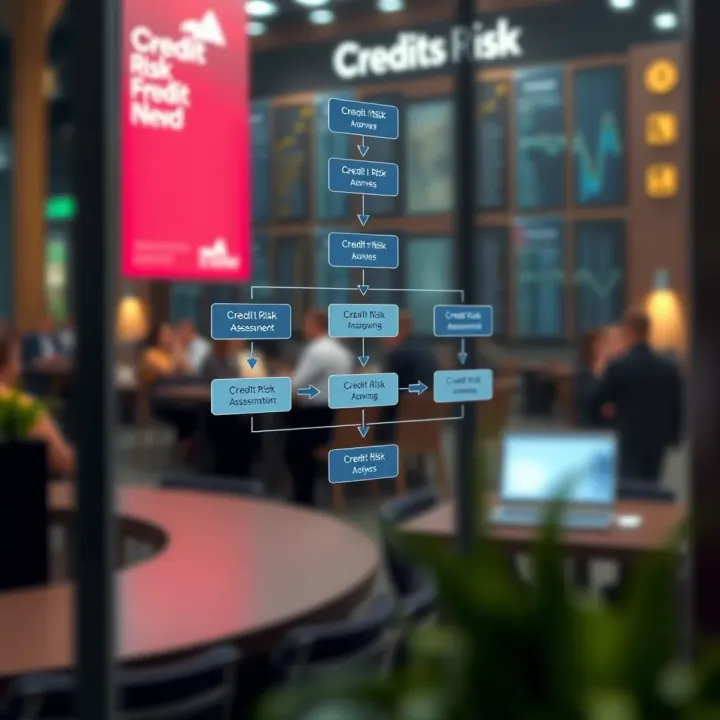
Effective credit risk management relies on several key strategies:
Thorough borrower assessment: Evaluating creditworthiness using financial statements, credit scores, and repayment history helps reduce exposure to risky loans.
Diversification of credit portfolio: Avoiding concentration in one sector or borrower prevents large losses if a single entity defaults.
Setting clear credit policies: Defining limits, collateral requirements, and loan terms creates a standardised framework for approving credit.
Continuous monitoring: Regularly tracking borrower performance and market conditions allows early detection of potential defaults.
Use of credit risk models: Statistical tools like credit scoring models and expected loss calculations enhance decision-making.
“A disciplined approach to credit analysis and monitoring is essential to maintain financial health and minimise losses.”
Regulatory bodies such as the State Bank of Pakistan enforce Basel III norms to strengthen credit risk management practices. These regulations require banks to hold sufficient capital against risky exposures, enhancing sector resilience.
Practical challenges include incomplete borrower data, informal lending in rural areas, and economic stress affecting repayment capacity. Financial institutions in Pakistan must therefore combine robust analytics with local market understanding.
Understanding effective credit risk management equips traders, investors, financial analysts, and brokers to better evaluate risks tied to lending and investment portfolios. This knowledge also supports educators aiming to teach practical finance concepts relevant to Pakistan's banking and corporate sectors.
Grasping the nature of credit risk is vital for anyone involved in finance or investment. Credit risk represents the possibility that a borrower won’t repay their loan or meet contractual obligations. Experienced traders, financial analysts, and investors must understand how this risk affects portfolios, as overlooking it can lead to significant financial losses.
Default risk is the chance that a borrower misses payments or completely defaults on a loan. It is the most common form of credit risk and directly impacts lenders' profitability. For instance, if a small business in Lahore defaults on a commercial loan, the bank suffers immediate financial loss, hurting its capital adequacy and ability to fund other clients. This risk is especially relevant in Pakistan's economy where certain sectors have fluctuating repayment histories due to seasonal business patterns or economic instability.
Concentration risk arises when a financial institution’s lending or investments are too focused on a single borrower, sector, or geographic area. For example, a bank heavily exposed to the textile industry in Faisalabad faces higher risk if that sector faces downturns. Overreliance on a specific sector can magnify losses during economic shocks. Managing this involves portfolio diversification to spread risk across multiple borrowers and sectors.
Settlement risk refers to the possibility that one party fails to deliver the promised asset or payment during the transaction’s settlement phase. This risk is critical in trading and foreign exchange transactions. Take, for example, a Pakistani importer paying abroad through a delayed banking channel; if the counterparty does not transfer goods after payment, the importer faces losses. Mitigating settlement risk requires strict transaction monitoring and using trusted intermediaries.
Credit risk directly impacts a financial institution’s profits and cash flow. Defaults reduce expected loan income, forcing institutions to set aside provisions, which decreases profitability. Moreover, unexpected defaults can create liquidity issues, as funds expected from borrowers become unavailable. For Pakistani banks, this is often seen during economic slowdowns when repayment rates decline.
Beyond financial losses, credit risk can harm an institution’s reputation. Frequent borrower defaults or poor risk management reflect badly on the bank’s credit policies and governance. This can erode clients’ trust and discourage future business. Operationally, handling defaults involves additional resources for recovery and legal action, raising costs and diverting focus from growth. That’s why robust credit risk controls are essential to maintain institutional strength.
Strong understanding of credit risk helps financial entities prevent losses and maintain healthy operations, especially in volatile markets like Pakistan’s.
By managing default, concentration, and settlement risks effectively, institutions safeguard profitability, liquidity, and reputation. For traders and investors, recognising these risks aids in making better decisions when assessing creditworthiness and portfolio allocation.
Effective credit risk assessment helps financial institutions understand the likelihood of borrower default, allowing them to make informed lending decisions. This step is vital in maintaining a healthy credit portfolio and avoiding unexpected losses. In Pakistan's dynamic economic environment, accurate risk evaluation allows for timely intervention and better capital allocation.
Internal credit rating models rely on data collected by banks to classify borrowers based on their creditworthiness. These models use various factors—such as the borrower's payment history, income stability, and previous loan performance—to generate a risk score. For example, a Pakistani bank may assign a higher risk grade to small businesses affected by frequent loadshedding, reflecting higher default chances. This approach customises risk evaluation to the local market, helping banks make tighter credit decisions.
External agencies like PACRA and JCR-VIS provide independent assessments of borrowers, mainly for larger companies or government entities. Their ratings add credibility and serve as a benchmark, especially for foreign investors. For instance, when a Pakistani corporate seeks a bond issuance, its rating from these agencies determines investor confidence and interest rates. Thus, external ratings complement internal scores, offering a broader market perspective.
Financial ratios uncover hidden risks within a borrower’s financial statements. Important ratios include the debt-to-equity ratio, current ratio, and interest coverage ratio. A textile company showing a consistently high debt-to-equity ratio might signal excess leverage, raising red flags before granting further credit. By watching these indicators, lenders better assess if a client can handle additional debt.
Cash flow analysis focuses on a borrower’s ability to meet payment obligations without relying solely on profit figures. For example, a firm with strong net income but erratic cash flow due to seasonal sales could struggle to serve debt regularly. Evaluating debt service capacity prevents surprises by verifying that cash inflows align with scheduled payments, improving loan recovery chances.

Advanced data analytics helps process large volumes of borrower information, spotting patterns undetectable by manual review. Machine learning algorithms can predict defaults by analysing variables like transaction histories and market trends. Pakistani banks are starting to use these tools for small business lending, where traditional credit data may be sparse. This technology provides faster and more accurate risk classification.
Risk assessment platforms linked directly to core banking software enable real-time updates of borrower status and risk ratings. For instance, changes in a client’s account activity—such as missed payments—automatically trigger alerts to credit officers. This integration improves monitoring efficiency and allows quicker responses to deteriorating credit conditions.
Assessing credit risk is not a one-time task but a continual process that combines human judgment with analytical tools. Together, these techniques help build resilient lending strategies suited to Pakistan's unique financial landscape.
Effective strategies for managing and mitigating credit risk are fundamental for financial institutions to protect their assets and maintain stability. Well-planned approaches can help in identifying vulnerable areas early, reducing potential losses from defaults, and sustaining profitability. These strategies include establishing clear credit policies, leveraging collateral, and diversifying the credit portfolio.
Setting exposure limits is about defining the maximum credit amount that an institution is willing to extend to a single borrower or group. This prevents overreliance on one client or sector, reducing the risk of significant losses if that borrower defaults. For instance, a bank might cap exposure at Rs 50 crore for one corporate client, ensuring other investments balance the risk.
These limits are practical guardrails to stop excessive lending, especially in volatile economic conditions. By enforcing such restrictions, banks can manage concentration risk and protect their capital buffers effectively.
Loan approval procedures outline the step-by-step process a financial institution follows before sanctioning credit. This ensures thorough evaluation of a borrower's creditworthiness, financial background, and repayment capacity. In Pakistani banks, this might involve layered approvals starting from credit officers, moving to risk committees, and finally senior management for large amounts.
Such procedures reduce the chances of impulsive lending and emphasise accountability. They also promote consistency in decision-making, which is vital for maintaining a sound credit portfolio.
Collateral provides a safety net if borrowers fail to repay. Acceptable forms vary but often include real estate, machinery, stocks, or fixed deposits. For example, a loan against commercial property in Karachi offers tangible security that can be liquidated if needed.
Accepting quality collateral lowers potential losses and encourages responsible borrowing. However, the collateral must be liquid enough to convert into cash quickly if recovery becomes necessary.
Accurate valuation of collateral is critical; overvalued assets can give a false sense of security. In Pakistan, valuing property requires adherence to market rates and often a professional appraisal. Legal considerations include ensuring clear ownership titles and registration to prevent disputes during enforcement.
Ignoring these factors risks complications during recovery, which can delay or reduce the amount reclaimed. Proper due diligence on legal standing helps avoid future litigation.
Concentration risk occurs when too much credit is linked to a single borrower, sector, or region. Reducing this risk means spreading credit across various clients and industries. For example, instead of lending Rs 100 crore solely to textile manufacturers in Faisalabad, a bank might divide that between textile, agriculture, and retail sectors.
This dilution limits the impact of downturns in any one area. It’s a practical way to stabilise returns and safeguard against sector-specific shocks.
Diversifying across sectors and geographic regions offers protection from regional economic slumps or sectoral declines. A lending portfolio spread over Lahore, Karachi, and Islamabad will face lower overall risk than one concentrated in just one city.
Similarly, balancing loans between industries such as infrastructure, FMCG, and export-oriented businesses prevents heavy losses if one sector suffers setbacks. Pakistani banks especially benefit from such diversification given the cyclical nature of local industries and regional risks.
Effective credit risk management relies on a combination of policy discipline, collateral security, and thoughtful diversification. These strategies provide a stronger foundation against borrower defaults and market uncertainties.
Monitoring credit risk continuously is a lifeline for financial institutions. It ensures potential problems are flagged early and losses are kept in check. Effective monitoring helps maintain healthier loan portfolios, balancing risk with business growth. This is especially relevant in Pakistan’s volatile economic environment, where factors like inflation and currency fluctuations can impact borrower repayments.
Regular credit reviews keep lenders informed about a borrower’s financial health over time. These reviews involve updating credit profiles, assessing changes in repayment behaviour, and re-evaluating risk levels. For example, a bank regularly checks a corporate borrower's financial statements and market conditions to catch any signs of stress early. This proactive approach helps banks adjust credit limits or require additional security before risks escalate.
Early warning signals are subtle indicators that trouble may be brewing in a credit relationship. These include late payments, declining revenues, or adverse media reports on the borrower. Detecting these signals promptly allows institutions to engage with borrowers to find solutions, such as restructuring loans or requiring additional guarantees. In Pakistan’s banking sector, automated alert systems often notify credit teams when payment patterns deviate, helping prevent defaults.
Loan rescheduling offers a practical way to handle defaults by modifying repayment terms in response to borrower difficulties. This can mean extending the loan tenure or reducing instalment amounts temporarily. Such flexibility, under proper conditions, improves recovery chances without dragging the borrower into bankruptcy. For instance, during economic downturns, Pakistani banks have used rescheduling to support businesses affected by loadshedding or supply chain disruptions.
When recovery efforts fail, legal action becomes necessary to protect the institution’s interests. This step involves initiating court proceedings to recover dues or liquidate collateral assets legally. Efficient coordination with legal experts and asset managers ensures timely recovery, limiting losses. Examples include auctioning mortgaged properties or seizing pledged stocks. While legal processes may be slow in Pakistan, clear policies and follow-ups improve eventual recovery.
Structured credit risk teams and committees streamline decision-making on loan approvals, rescheduling, and write-offs. A dedicated committee with senior management provides checks and balances, ensuring exposure limits and risk appetite align with overall bank policies. The committee’s regular meetings ensure timely decisions backed by data and expertise, enhancing discipline in credit risk handling.
Coordination between credit risk teams and departments like legal, finance, and audit is essential. This cooperation supports comprehensive risk assessment, swift recovery, and regulatory compliance. For example, the finance team provides up-to-date financial data, while legal ensures smooth enforcement of collateral rights. Such synergy helps banks in Pakistan maintain a tighter grip on credit risks across their operations.
Consistent monitoring and integrated team efforts are the backbone of effective credit risk management, reducing losses and promoting sustainable growth in the face of uncertain economic challenges.
Regulatory framework and compliance play a vital role in managing credit risk efficiently, especially within Pakistan's financial sector. These frameworks set the rules that banks and non-banking financial companies (NBFCs) must follow to maintain financial stability and protect the economy from credit losses. Without clear regulatory guidelines, credit risk management could become inconsistent, leading to increased defaults and financial distress.
The State Bank of Pakistan (SBP) issues prudential regulations which serve as the backbone for credit risk management in the country. These include limits on exposure to single borrowers, industry sectors, and group companies to prevent concentration risk. For instance, SBP caps the maximum loan exposure to any single borrower at a percentage of a bank’s equity to avoid over-reliance on one customer.
These regulations also cover loan classification, provisioning standards, and debt recovery processes. By enforcing strict guidelines, SBP ensures banks maintain disciplined lending practices, which help reduce the chances of non-performing loans (NPLs). Banks that ignore or delay compliance risk penalties and higher provisions that affect profitability.
Capital adequacy regulations mandate financial institutions maintain a minimum capital buffer relative to their risk-weighted assets, including loans. In practice, this means banks must have enough capital to absorb potential losses from loan defaults.
For example, SBP's Basel III implementation requires banks to keep a minimum Capital Adequacy Ratio (CAR) of 10.5%. This requirement compels banks to manage their credit portfolios carefully, as riskier loans demand more capital. Having this buffer protects depositors and supports financial stability during times of economic stress.
The Federal Board of Revenue (FBR) works closely with SBP to define what constitutes a non-performing loan. Generally, loans overdue by more than 90 days are classified as NPLs. This classification impacts taxable income reporting for banks.
Proper classification helps banks and the tax authorities monitor credit health and take early action to manage defaults. Misclassification can lead to incorrect tax filings or delayed recognition of impaired assets.
Banks in Pakistan can claim tax deductions for provisions made against bad loans, but only up to specific limits outlined by FBR. This tax treatment encourages banks to maintain adequate provisions without affecting their taxable profits unduly.
For example, a bank might set aside Rs 50 crore as loan loss provision, but only a portion may be tax-deductible based on FBR rules. Understanding these limits is crucial for banks to optimise tax liabilities while ensuring compliance.
Banks and NBFCs face challenges in adhering to rigorous reporting standards demanded by regulators. They must regularly submit detailed reports on loan portfolios, non-performing assets, and provisioning levels.
These reports must be accurate and timely to avoid regulatory scrutiny. Smaller institutions often struggle with the technology and human resources needed for complex data collection and analysis.
Regular audits and inspections by SBP and FBR are essential to ensure compliance with credit risk regulations. Institutions must prepare for these by maintaining proper documentation and internal controls.
However, audits sometimes uncover gaps in policies or execution, leading to fines or operational restrictions. Therefore, proactive compliance measures and internal audit functions are key to avoiding such risks.
Effective regulatory compliance not only safeguards financial institutions but also strengthens the entire banking ecosystem by promoting transparency and responsible lending.
To summarise, following Pakistan’s regulatory framework helps banks and NBFCs manage credit risk properly while adhering to legal and taxation requirements. For traders, investors, and financial analysts, understanding these regulations provides critical insights into the operating health and risk profile of financial institutions.
📊 Learn effective risk management in projects to spot, analyse & control risks with practical tips & tools tailored for Pakistani businesses for success.

📊 Learn how to identify and control risks in project management to secure your project's success. Practical tips, common errors, and Pakistani context included.

⚙️ Discover practical strategies for supply chain risk management in Pakistan. Learn how to assess, mitigate risks, and use technology for smooth operations despite market challenges.

📊 Discover how actuarial science helps assess and manage financial risks in insurance and finance, tailored for professionals and students in Pakistan.
Based on 13 reviews