

Understanding Binary Classification Basics
🔍 Explore binary classification in machine learning—key concepts, popular algorithms, evaluating models, and practical uses across real-world scenarios.
Edited By
Laura King
Non-binary identity refers to a gender experience that does not fit strictly within the traditional categories of male or female. Unlike the binary model, which divides gender into two distinct groups, non-binary acknowledges a wider spectrum where individuals may identify as both, neither, or somewhere in between.
In Pakistan, understanding of non-binary identities is still emerging. Many people are unaware that gender can extend beyond male and female labels. This lack of awareness often leads to challenges for non-binary individuals, ranging from social exclusion to legal recognition issues.
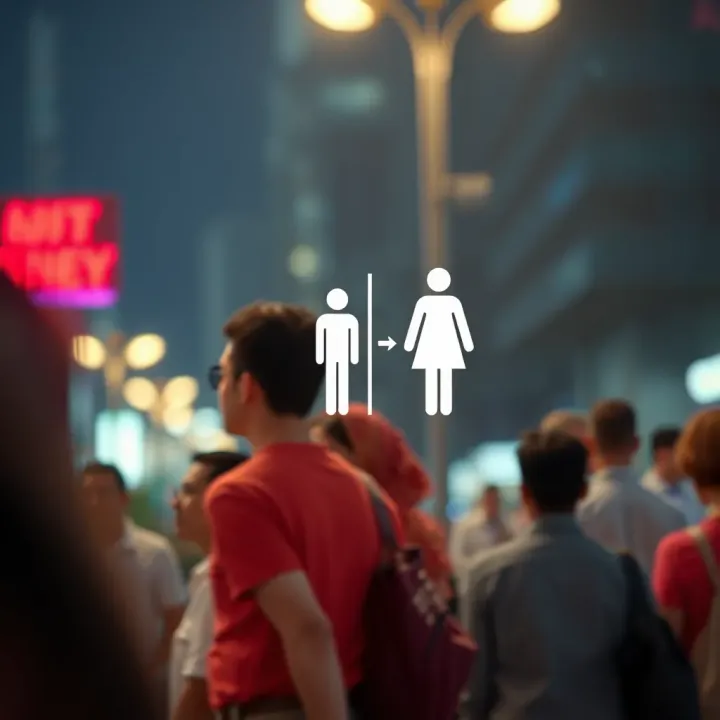
The term non-binary itself covers a variety of gender identities, including but not limited to:
Genderqueer
Genderfluid
Agender
Bigender
Each of these identities has its own nuance. For example, a genderfluid person experiences shifts in gender identity over time, while an agender person does not identify with any gender at all.
A clear understanding of non-binary identity helps shift conversations from rigid definitions to more inclusive ones that respect personal experiences.
In Pakistani society, the topic intersects with cultural and religious views deeply rooted in tradition. This can make discussions around non-binary identity sensitive. People often face misunderstandings or face pressure to conform to societal norms.
On the legal side, Pakistan recognises a third gender category under the transgender umbrella. However, specific recognition of non-binary as distinct from transgender is still limited in legal frameworks. This gap affects access to rights such as official documentation, employment, healthcare, and social services.
Educators, investors, and public officials can support change by promoting awareness, encouraging respectful language, and recognising gender diversity in policies. Simple acts like using correct pronouns and acknowledging diverse gender expressions can make a significant difference.
Understanding non-binary identity is not just about labels but about respecting people’s right to define themselves. For decision-makers and professionals, this knowledge fosters more inclusive workplaces, markets, and social environments.
By incorporating this understanding, Pakistan can move towards a society that respects all gender identities equally, making space for dignity and acceptance beyond traditional boundaries.
Understanding what non-binary identity means is key to appreciating the diversity of gender beyond the traditional male and female categories. This section breaks down complex ideas into clear concepts, helping investors, educators, and analysts recognise the varied experiences of non-binary individuals. Grasping these distinctions not only enriches social awareness but supports inclusive policies in workplaces and institutions.
Non-binary refers to gender identities that do not fit neatly into the male or female boxes. For example, someone might feel they are both genders, neither, or fall somewhere along a broad spectrum. In practical terms, this means a person's internal sense of gender can differ from societal expectations based on their biological sex.
This understanding helps businesses and educators tailor communication and support, recognising that a one-size-fits-all approach to gender may alienate important groups. For instance, when onboarding staff, offering options beyond ‘male’ and ‘female’ on forms creates a more inclusive environment.
Within the non-binary umbrella, several terms emerge: genderqueer, genderfluid, agender, and bigender, among others. Genderfluid individuals, for example, experience shifts in their gender identity over time.
These variations reflect the personal and complex nature of gender. For policy makers or HR professionals, it’s important to acknowledge these nuances rather than lump all identities under a single label. This respect can improve workplace morale and social cohesion.
Transgender generally describes someone whose gender identity does not match the sex assigned at birth. Non-binary people may also identify as transgender if their gender lies outside the traditional binary, but many do not.
Highlighting this difference avoids assumptions that all transgender individuals are binary trans men or trans women. This distinction matters in crafting targeted support programs or legal recognition frameworks.
There can be overlap where a person identifies both as transgender and non-binary, but the terms aren't interchangeable. For example, a trans woman identifies exclusively as female, while a non-binary person may reject identifying strictly as male or female.
In practical terms, recognising these varied identities ensures that social campaigns, educational materials, and healthcare services address specific community needs rather than applying broad labels that overlook individual experiences.
Clear understanding of non-binary identity promotes respect and effective inclusion, essential for progressive workplaces, educational systems, and financial institutions adapting to modern social dynamics.
Understanding non-binary experiences in Pakistan helps reveal the unique challenges and cultural dynamics people face here. Unlike Western countries where gender conversations have broader space, in Pakistan, societal norms and traditional views heavily shape how non-binary identities are perceived and lived. For professionals like educators or policy makers, recognising these experiences is essential to promoting inclusion and addressing discrimination effectively.
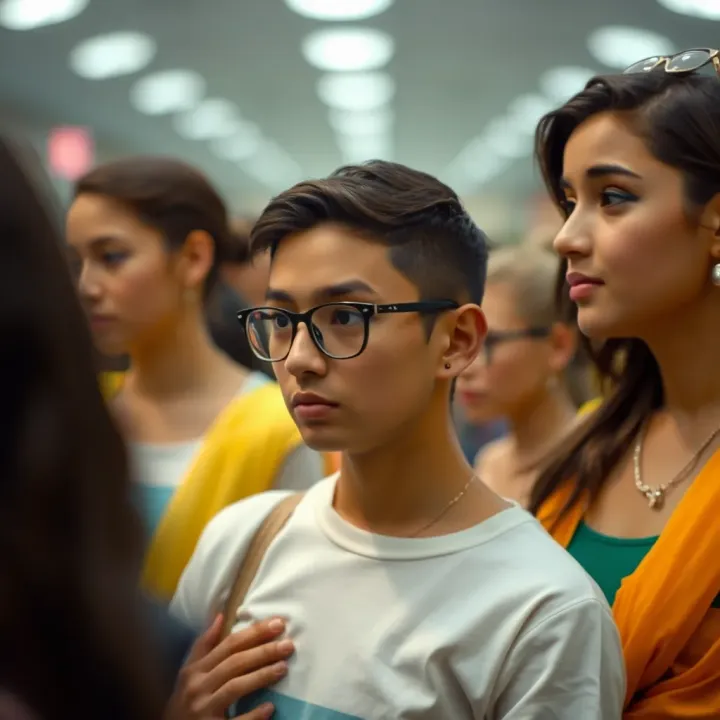
Pakistani society generally operates within a strict male/female binary framed by religious, cultural, and social expectations. Men are often expected to be providers and protectors, while women usually take on caregiving and household roles. This rigid setup leaves little room for gender diversity beyond these categories. For example, in rural areas, families may resist any deviation from these roles due to fears about honour and social acceptance.
This traditional framework affects non-binary individuals by limiting public understanding and acceptance. Without mainstream narratives that include gender diversity, many non-binary Pakistanis find themselves misunderstood or invisible. Awareness of these entrenched roles is vital for anyone working in social services or education to navigate community sensitivities.
General awareness about non-binary identities is limited in Pakistan. Many confuse non-binary with transgender or wrongly believe it to be a Western trend. Misinformation leads to stereotypes, such as associating non-binary people solely with flamboyance or moral laxity, which fuels social stigma.
However, increased use of social media platforms and representation in Pakistani media has gradually improved visibility. Youth especially are becoming more open to learning about gender diversity, though widespread misconceptions still impact social and institutional acceptance.
Family plays a central role in Pakistani life and acceptance within the family can make or break non-binary individuals’ living conditions. In many cases, family pressure forces conformity to assigned gender roles, risking emotional distress and isolation.
For instance, a non-binary person might be expected to dress and behave strictly as male or female during social gatherings, which creates constant stress. Counselors and mental health professionals must consider these dynamics when supporting non-binary clients in Pakistan.
Non-binary individuals face discrimination in schools, workplaces, and public spaces. It is common to encounter harassment, social exclusion, or denial of services due to failure to fit into gender norms. In workplaces, lack of legal protections means dismissal or unequal treatment can happen without recourse.
Educational institutions and employers who understand these realities are better positioned to develop policies that promote safety and inclusion. Highlighting these challenges can motivate targeted awareness campaigns or reforms benefiting non-binary people and broader society.
Tackling social and institutional barriers requires recognising how cultural context shapes non-binary experiences. Practical change begins with informed awareness and respectful dialogue within communities, families, and organisations.
Language plays a key role in recognising and respecting non-binary identities. Pronouns, in particular, are simple but powerful tools that acknowledge a person’s gender identity. Using correct pronouns validates someone's sense of self, while misuse can cause discomfort or contribute to social exclusion. This is especially relevant in Pakistan, where traditional language structures are tightly linked to gender, making non-binary visibility and acceptance more challenging.
Singular they/them pronouns are widely used by non-binary individuals worldwide. Instead of 'he' or 'she', 'they' serves as a gender-neutral option. For example, "Ali said they will arrive by 5 pm," respects Ali's non-binary identity without forcing masculine or feminine labels. The use of singular 'they' dates back centuries in English, so it is grammatically natural even if it sounds unfamiliar to some.
Using these pronouns helps create inclusive environments, whether at work or in social conversations. It allows non-binary people to be seen on their own terms. However, some may still find adjusting to these pronouns difficult, which underlines the need for awareness and practice.
Other pronouns and their meanings include neopronouns like 'ze/hir', 'xe/xem', and culturally specific alternatives. For instance, 'ze/hir' replaces 'he/him' or 'she/her' and can signal a distinct personal identity. Someone might say, "Ze is coming to the meeting, please respect hir preferences." These pronouns may feel unfamiliar but provide non-binary persons more precise options beyond the binary.
It's important to ask individuals their preferred pronouns rather than assuming. This simple act reflects respect and helps avoid misgendering.
Gendered language in Urdu creates particular obstacles for non-binary pronoun use. Urdu grammar assigns gender to nouns, verbs, and adjectives, usually masculine or feminine, without neutral options. For example, adjectives change form depending on gender: "Woh acha hai" (he is good) versus "Woh achi hai" (she is good). This grammatical gender system makes it tough to talk about non-binary people without forcing binary distinctions.
Even common pronouns are gendered; "woh" (he/she) applies for both but verbs and adjectives reveal gender implicitly. This complexity means non-binary people may feel linguistically erased or pressured to pick one gender form.
Efforts to create inclusive language have started among activists and some linguistic circles in Pakistan. One approach includes using plural verb forms or mixing masculine and feminine endings to create space for gender neutrality. For example, some propose adding neutral suffixes or avoiding gendered verb forms altogether where possible.
Social media and educational forums promote awareness around these challenges, suggesting new terms and encouraging people to honour chosen pronouns even if grammar is traditionally rigid. While these changes are gradual, they offer hope for more respectful conversations about gender diversity in Urdu and other Pakistani languages.
Respecting pronouns is not just about language but recognising the person behind the words. It's a step toward inclusion, empathy, and dignity for non-binary individuals in Pakistan.
Understanding these language realities helps businesses, educators, and investors appreciate the nuances of non-binary identity in Pakistan’s cultural and linguistic context. This awareness supports better communication, workplace inclusion, and social respect.
Legal and institutional recognition of non-binary individuals is a key factor in ensuring their dignity and equal rights. Without formal acknowledgement, non-binary people face barriers in accessing services, legal protections, and social acceptance. Recognition means that official documents, policies, and institutions accommodate gender identities beyond male and female, addressing the real-life needs of non-binary individuals.
Pakistan legally recognises the third gender category, primarily reflecting transgender individuals, under various laws and the 2018 Transgender Persons (Protection of Rights) Act. This legal recognition allows people to register as a third gender on their Computerised National Identity Cards (CNICs), passports, and other official documents. It provides access to social welfare programmes and protects against discrimination in education, employment, and healthcare.
However, this recognition mainly addresses individuals who identify as transgender women or men, rather than covering the broader spectrum of non-binary identities. The third gender category itself has been significant for Pakistan's transgender community but does not explicitly include all non-binary people whose experiences differ from binary transgender definitions.
Currently, Pakistan lacks explicit legal recognition for non-binary identities distinct from the established third gender category. This absence creates practical problems when non-binary individuals need to select a gender marker on official forms or are subjected to gender-based legal regulations that assume only male or female identities. For instance, non-binary people may face difficulties getting identity documents that reflect their true gender, creating issues in travel, healthcare, and workplace rights.
Furthermore, administrative systems remain rigidly binary or limited to the third gender option, which leaves many non-binary individuals invisible in official records. This gap affects not only personal identity validation but also access to tailored rights or protections that recognise their unique identity.
Some countries, including Canada, Germany, Australia, and a few states in the USA, have expanded legal gender recognition to include non-binary or gender-neutral categories on official documents. They allow options beyond ‘male’ and ‘female’, such as ‘X’ on passports or national IDs, which helps individuals avoid forced misgendering and facilitates easier access to services.
This legal approach reduces bureaucratic complications and promotes social inclusion. For example, Germany allows entry of “diverse” gender on birth certificates, and Canada has several provinces providing non-binary options on driver licences. Such policies reflect growing awareness and accommodate complex gender identities explicitly.
Pakistan can learn from these international models to introduce distinct legal recognition for non-binary genders that go beyond the existing third gender classification. Amending national ID and other government forms to include an additional non-binary option would acknowledge diverse gender identities and reduce discrimination.
Introducing such legal reforms requires awareness programmes and administrative training to handle new categories sensitively. Such changes could also improve Pakistan's international standing on human rights and provide practical benefits by making it easier for businesses, educational institutions, and healthcare providers to respect individuals' identities.
Clear legal recognition reduces the social exclusion non-binary people face and allows them equal access to rights and services critical for their wellbeing.
By addressing these legal gaps, Pakistan may progressively foster a more inclusive society where non-binary people are seen and respected within the fabric of social and institutional life.
Supporting non-binary individuals requires deliberate efforts that promote understanding and respect in everyday interactions. In Pakistan, where rigid gender norms often dominate, being aware of practical steps to support non-binary people can foster a more inclusive society. This is not only about kindness but about recognising their rights and identities, which benefits social harmony and equality.
Schools and local communities play a key part in shaping attitudes towards non-binary identities. Incorporating lessons on gender diversity in school curricula can equip young people with knowledge beyond traditional male-female categories. This might include workshops, reading materials, or talks that discuss non-binary experiences respectfully, helping dismantle prejudices from a young age.
Communities can also organise awareness sessions at mohallas or social centres, where people share stories or educational content that clarifies what non-binary identity means. Such efforts help normalise conversations around gender diversity and allow non-binary individuals to feel seen and accepted in their own neighbourhoods.
Stereotypes about gender identity fuel many social challenges for non-binary people. Misconceptions such as non-binary identities being a phase or confusion lead to social exclusion and discrimination. Active efforts to counter such myths, often spread through social media or informal chatter, are essential.
Responsible journalism, clear information campaigns by NGOs, and social media influencers discussing accurate, fact-based content about non-binary people contribute to better public understanding. These initiatives reduce stigma and encourage respectful behaviour towards gender diversity, especially in Pakistan’s conservative settings.
Using the correct pronouns and chosen names is a straightforward but powerful way to respect non-binary identities. In everyday contexts like workplaces or social gatherings, addressing someone by their preferred name and pronoun (such as 'they/them', 'ze/hir', or others) acknowledges their identity without question.
Misusing pronouns, whether intentional or accidental, can cause emotional distress and undermine trust. Therefore, asking politely and making an effort to remember shows consideration. For example, in a Karachi office, creating a simple system for pronoun sharing can make everyone feel comfortable.
Institutions in Pakistan should promote inclusive policies that recognise and protect non-binary individuals. This includes allowing self-identification options on HR forms, offering gender-neutral washrooms, and implementing anti-discrimination policies.
Companies can conduct sensitivity training to educate staff about gender diversity and respect. Schools, universities, and government offices adopting these steps create environments where non-binary people can thrive without fear of exclusion or bias. Such policies send a strong message that diversity is valued and upheld at all levels.
Supporting non-binary individuals involves education, respect for personal identity, and institutional change—all vital for building acceptance in Pakistan's society.
🔍 Explore binary classification in machine learning—key concepts, popular algorithms, evaluating models, and practical uses across real-world scenarios.
📊 Learn binary addition with clear, practical examples! Understand basics, carrying method, and solve problems confidently for easy mastery of binary numbers.

Learn how binary division works step-by-step with our easy calculator 🧮. Understand binary numbers, algorithms, and examples to boost your skills confidently!

Explore the essentials of binary digits (bits) 🖥️ – how they form data, drive computing, and support error detection in today’s tech world.
Based on 9 reviews