

Understanding Actuarial Science in Risk Management
📊 Discover how actuarial science helps assess and manage financial risks in insurance and finance, tailored for professionals and students in Pakistan.
Edited By
Sophie Elwood
Risk management in project management means spotting potential problems early, understanding their impact, and taking steps to control them. In Pakistan, where projects often face challenges like power outages, fluctuating currency rates, and regulatory delays, managing risks becomes even more critical.
At its core, risk management helps you avoid unpleasant surprises that can derail timelines, inflate costs, or reduce quality. Simply put, it’s about preparing for what might go wrong and making sure those issues don’t swamp the whole project.
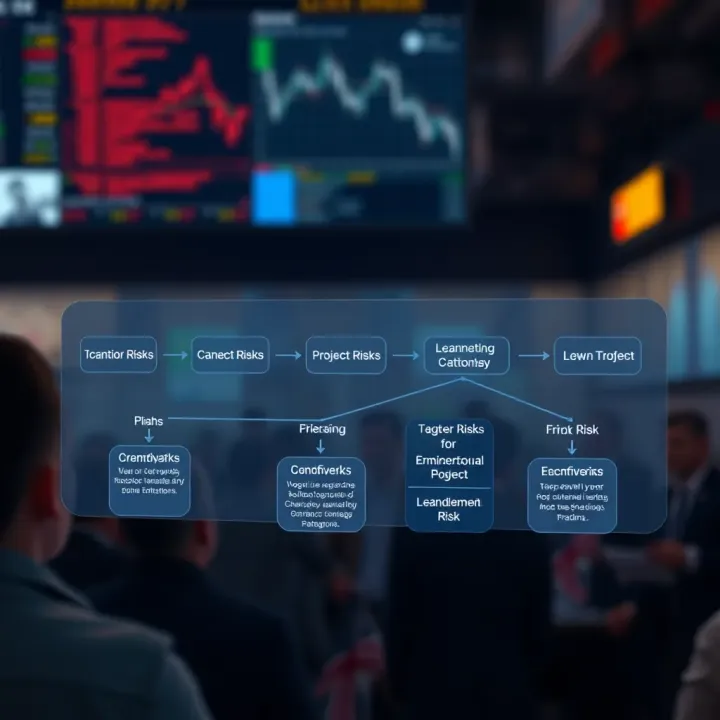
Good risk management starts with identifying risks. This could mean anything from supplier delays in Karachi to monsoon floods affecting construction in Punjab. You classify these risks by how likely they are and how badly they could affect your project. After that, you plan how to avoid or reduce their impact.
Ignoring risk management often leads projects to blow their budget or miss deadlines, especially in Pakistan's unpredictable business environment.
To be effective, your approach should be tailored to your project’s size, complexity, and local factors. A trader launching an investment platform in Islamabad needs a different risk plan than a builder working on a housing scheme near Lahore.
Here are some practical points that shape risk management in Pakistani projects:
Identify risks early: Engage stakeholders from day one to gain a clear picture of challenges.
Assess and prioritise: Use tools like risk matrices to focus on high-probability and high-impact risks.
Plan responses: Develop strategies such as contingency budgets, alternative suppliers, or timeline buffers.
Monitor continuously: Risks evolve, so keep tracking and update your plans regularly.
Understanding and managing risks well not only safeguards your project but also builds trust with investors, partners, and clients. This helps keep the project on track to deliver results despite unexpected hurdles.
Risk management is a foundational step in project management that directly impacts whether a project meets its goals on time and within budget. Defining risk in the context of a project means recognising potential events that could affect the project’s progress or outcome, both negatively and positively. This clarity enables stakeholders to prepare, respond, and adapt, ultimately saving time, money, and reputation.
For instance, a construction project in Karachi might face the risk of supply delays due to customs hold-ups. Identifying this risk early allows planners to explore alternative suppliers or stockpile critical materials upfront. Such practical foresight illustrates the value of a clear risk definition.
Project risks typically span several categories: technical, financial, legal, environmental, and social. Technical risks might involve software bugs in IT projects or unstable building materials in construction. Financial risks include budget overruns or fluctuating currency rates affecting procurement costs. Legal risks cover compliance issues, such as local permits or labour laws, while environmental risks include weather-related delays or natural calamities. Social risks could be stakeholder opposition or labour strikes, which are quite relevant in Pakistan’s dynamic social landscape.
Understanding these types helps project managers anticipate and tackle problems before they escalate. For example, an infrastructure project near a flood-prone area must specifically account for environmental risks to avoid severe damage or delays.
A risk is a potential problem that may or may not happen, while an issue is a problem currently impacting the project. This distinction matters because risks allow for proactive planning, while issues demand immediate corrective action.
Say a project team predicts a delay due to possible shortages of skilled labour—that's a risk. If the shortage actually happens, causing work stoppages, it becomes an issue. Proper risk management ensures risks are identified and mitigated before turning into issues, preventing disruption.
The main aim of risk management is to reduce the chances and effects of setbacks. By spotting risks early, teams can put controls in place—like backup suppliers or contingency budgets—to soften blows when problems arise.
Take a manufacturing project that depends heavily on imported raw materials. If the PKR weakens, procurement costs rise, creating a financial risk. Effective risk management might involve hedging costs or sourcing local alternatives to lessen price shocks.
Besides shielding against losses, risk management boosts the likelihood of completing the project as planned. It does this by making the planning process more robust, improving decision-making, and building confidence among stakeholders.
For example, investors in a tech start-up project will feel more assured if they see a well-structured risk management plan covering market, technical, and regulatory risks. This increases their trust and willingness to support the project.
Risk management is not merely about avoiding trouble; it is about preparing your project to withstand challenges and increase its chances of success.
In summary, defining what risk means in a project sets the foundation for identifying threats, distinguishing them from issues, and establishing goals of minimising harm and maximising success. Practical examples from Pakistani projects make these principles clearer and more relatable for practitioners in our context.
Project risk management relies on a few key elements that together keep projects on track. These core steps help identify what might go wrong, assess the possible outcomes, plan responses, and continuously monitor risks. Getting these right can save time, money, and headache, particularly in Pakistan’s sometimes unpredictable business climate.
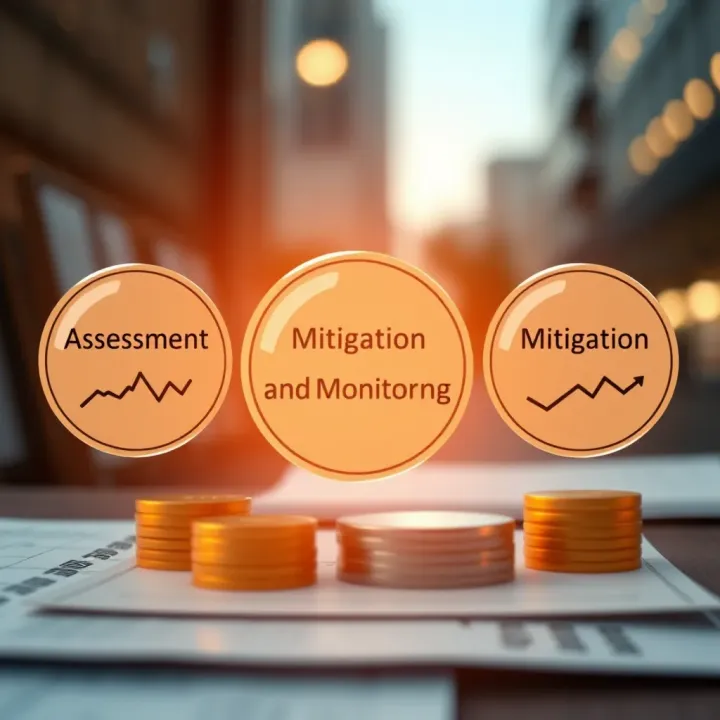
Brainstorming and expert interviews bring diverse views about potential risks. Project teams gather to throw around ideas freely, highlighting risks that could otherwise be missed. Interviewing subject experts also brings valuable insight from those experienced in similar projects, which helps spot risks specific to local conditions, such as political instability or supply chain disruptions.
Checklists and historical data analysis provide a more structured way to find risks. Teams refer to checklists from previous projects and industry standards to ensure nothing obvious slips through. They also dig into historical data from past projects to identify recurring issues, like frequent delays due to customs clearance or loadshedding affecting construction timelines.
Stakeholder consultation involves engaging all project participants, including suppliers, clients, and government bodies. Such consultation brings out risks related to expectations, communication gaps, or regulatory changes. For instance, consulting local authorities early can reveal upcoming policy shifts that might impact project permits.
Qualitative versus quantitative analysis both have their place. Qualitative methods rely on expert judgement to classify risks by severity, which works well for smaller projects or when data is limited. Quantitative analysis uses numerical data to estimate probability and potential impact, important for bigger projects where financial stakes are high.
Assessing likelihood and impact means estimating how often a risk may occur and the consequences if it does. For example, a delay caused by rain during monsoon season might be highly likely but have moderate impact if planned for properly.
Risk prioritisation helps decide which risks need immediate action. Risks with high probability and severe impact top the list. This is crucial in resource-constrained environments, common in Pakistani projects, where attention must focus on the most threatening risks.
Avoidance, mitigation, transfer, and acceptance strategies form the toolbox for handling risks. Avoidance may mean choosing a different supplier to dodge quality issues. Mitigation could be adding buffer time for expected delays. Transferring risk might involve insurance or contracts shifting responsibility to third parties. Sometimes, accepting a low-impact risk makes more sense given cost-benefit considerations.
Assigning responsibilities ensures clear ownership of risk responses. Each risk must have a person or team responsible for managing it, improving accountability. In a Pakistani project context, this reduces chances of miscommunication and ensures prompt action when issues arise.
Ongoing risk tracking involves regular check-ins to see whether identified risks have changed or new ones surfaced. This keeps the project adaptive to shifting circumstances and prevents surprises.
Adjusting plans based on new information is equally important. If a political change alters import regulations, the risk response plan should be updated quickly to avoid delays. Flexibility in monitoring and control helps projects in Pakistan manage uncertainty better.
Effective risk management is not a one-time activity; it is continuous. Pakistani project managers who systematically apply these core elements increase their project’s chances of success by staying proactive and prepared.
Effective risk management depends heavily on the proper use of tools and methods that help identify, analyse, and manage risks throughout a project’s lifecycle. These common tools not only streamline the tracking of potential threats but also support informed decision-making. For professionals in Pakistan’s dynamic market, leveraging such tools ensures timely responses, optimised resource use, and ultimately, increased chances of a project’s success.
Designing and maintaining a risk register involves creating a live document that records all identified risks, their descriptions, likelihoods, potential impacts, mitigation strategies, and ownership. A well-structured risk register serves as a single source of truth for project teams, allowing them to stay alert to possible problems. For example, a construction project in Karachi might list the risk of material delivery delays due to traffic jams, with mitigation plans such as sourcing from multiple suppliers.
Maintaining the risk register requires regular updates as new risks emerge and existing risks evolve. This dynamic approach ensures that the register remains relevant and supports proactive risk control rather than reactive firefighting. In Pakistani projects, where external factors like regulatory changes or monsoon floods can drastically shift risks, continuous monitoring of the register is vital.
Using the register in decision-making means that project managers rely on it to assess which risks need immediate attention and which can be accepted or monitored with minimal interference. Prioritising risks based on register data helps allocate budgets and human resources more efficiently. For instance, if a software development project in Lahore shows high risk around vendor reliability, managers might divert more resources to quality control or alternate sourcing.
The risk register also acts as a communication tool among stakeholders. Transparent reporting builds trust and sets realistic expectations regarding project timelines and costs, crucial for investors and clients in Pakistani ventures where informal updates can lead to misunderstandings.
Identifying internal and external risks through SWOT (Strengths, Weaknesses, Opportunities, Threats) can clarify where a project stands regarding its risk exposure. Internal risks come from organisational weaknesses such as inadequate staff training, whereas external risks may include political instability or fluctuations in currency value. For example, a textile export company in Faisalabad may face threats from international tariff changes while having strengths in skilled labour.
SWOT analysis is particularly practical for Pakistani projects dealing with complex environments. By assessing the internal and external factors, project teams can better prepare for vulnerabilities specific to their operational context.
Leveraging strengths and opportunities helps turn potential risks into advantages. A project might use its strong supplier relationships to negotiate better terms, reducing cost-related risks. Opportunities like government incentives for renewable energy projects can also be factored in to offset environmental risks.
Using SWOT allows Pakistani businesses to align risk management with broader strategic goals, turning challenges into stepping stones rather than stumbling blocks.
Prioritising risks visually with a probability and impact matrix helps teams quickly see which risks require urgent action. This matrix plots risks on a grid based on how likely they are to occur and their potential negative effect. High probability and high impact risks fall into the "red zone" demanding immediate response.
This approach prevents spreading efforts too thin across minor risks. For example, in a Karachi infrastructure project, the risk of civic protests might rank as high impact but low probability, affecting how contingency plans are developed.
Examples relevant to Pakistani projects include risks like sudden loadshedding affecting project timelines, currency depreciation impacting imported equipment costs, or monsoon flooding delaying construction. By plotting these risks on the matrix, project teams can concentrate attention and resources wisely, balancing between high-likelihood everyday issues and less frequent high-impact events.
Using these tools effectively turns risk management from a theoretical exercise into a practical framework that helps Pakistani projects handle uncertainty with confidence and clarity.
Proper risk management in projects plays a vital role in ensuring successful outcomes by anticipating potential problems before they escalate. When project managers actively manage risk, they make the project's trajectory more predictable, allocate resources wisely, and build trust among stakeholders.
Managing risks upfront helps you predict project timelines and outcomes more accurately. For example, a construction project in Karachi faced delays due to unexpected monsoon flooding. Those with a risk plan accounted for such weather risks, scheduling buffer days and securing proper drainage solutions. This preparedness made deadlines more reliable compared to those who did not consider local monsoon impacts. Predictability reduces surprises and keeps the project on track, crucial for financial planning and decision-making.
When risks are identified early, resources such as budget, workforce, and equipment can be allocated more sensibly. Rather than overspending on unnecessary contingencies or scrambling for resources in emergencies, project teams can channel funds where the chances of actual risk events are higher. For instance, a software development project in Islamabad noticed potential staff shortages during Eid holidays and planned hiring temporary staff ahead. This foresight prevented bottlenecks, saving both time and Rs 2 lakh in overtime costs. Smart allocation avoids wasting resources and strengthens project efficiency.
Risk management builds confidence among clients, investors, and team members as it shows professionalism and control over project uncertainties. For Pakistani projects, where external factors like regulatory changes or political shifts may impact progress, demonstrating a clear risk plan reassures stakeholders about the project's viability. A telecom infrastructure project in Lahore benefited as its investors trusted the project team’s risk communication and contingency plans, resulting in easier financing and smoother approvals. Open risk communication ensures everyone is aligned and prepared, improving overall commitment.
Conducting risk management is not just a formality; it transforms the project environment by reducing chaos and creating a steady path forward.
Taking these benefits seriously can greatly influence whether a project finishes successfully or gets bogged down by unforeseen troubles. In the Pakistani context, where external disruptions are common, applying risk management offers a practical shield that protects investments, timelines, and reputation.
Implementing risk management in Pakistani projects is vital due to the country's unique business climate, which often includes fluctuating economic conditions, regulatory changes, and political uncertainties. Effective risk management helps project teams anticipate challenges and adapt plans, ensuring smoother execution and safeguarding investments.
By putting a risk management framework in place, project managers can avoid costly delays and budget overruns, common in local contexts where external factors can abruptly impact project progress. This structured approach also builds trust among stakeholders, making it easier to secure financing and regulatory approvals.
Setting up a risk management policy is the foundation. This involves defining clear guidelines on how risks should be identified, assessed, and handled throughout the project life cycle. For Pakistani projects, policies must emphasise transparency and accountability to meet both local business standards and compliance requirements. For example, construction projects in Karachi often face unanticipated regulatory inspections; a strong policy prepares teams to respond promptly, reducing stoppages.
Training project teams is crucial to give them the skills necessary for spotting and evaluating risks early. In Pakistan, many teams may have technical expertise but lack formal training in risk processes, which can lead to oversight of critical warnings. Organising workshops or sessions on risk management techniques equips members to handle emerging challenges, such as fluctuating material costs or supplier delays due to loadshedding.
Incorporating local business realities means tailoring risk strategies that reflect Pakistan's specific environment. For instance, sudden policy changes related to import duties by FBR (Federal Board of Revenue) or transport strikes can disrupt supply chains. Successful projects incorporate these aspects in their risk assessments to adapt schedules and costs accordingly.
Managing unforeseen political or economic changes remains one of the biggest hurdles. Political shifts may lead to new regulations or delays in approvals. Economic volatility, like rupee fluctuations, affects project budgets and procurement. Project teams must constantly monitor these external risks, a task easier said than done when reliable data can be scarce.
Dealing with documentation and compliance often slows projects. In Pakistani projects, delays caused by incomplete paperwork or unclear compliance rules are common. The challenge lies in aligning risk management processes with evolving local laws and ensuring all entities involved fulfil their documentation responsibilities promptly.
Handling communication gaps among stakeholders can create confusion and delay decision-making. Language differences, regional cultural norms, and hierarchical work structures sometimes hinder the free flow of information. This issue risks leaving critical warnings unnoticed or ignored, thus amplifying potential impacts.
Regular reviews and updates of the risk management plan keep it relevant and effective, especially in Pakistan’s fast-changing context. Periodic meetings to reassess risks allow teams to respond swiftly when new threats emerge, such as shifts in load-shedding schedules affecting project timelines.
Engaging leadership support is essential for effective risk management. When top management values and participates in risk initiatives, it encourages a culture of accountability. Pakistani projects with strong leadership backing tend to navigate obstacles more smoothly, securing quicker approvals and better resource allocation.
Utilising Pakistani project management resources, like local industry associations, regulatory bodies, and experienced consultants, adds valuable insight into risk trends and mitigation strategies. For example, seeking guidance from the Pakistan Institute of Engineering and Applied Sciences (PIEAS) or using help from seasoned contractors familiar with Lahore’s construction challenges enhances risk preparedness.
Implementing risk management tailored to Pakistan’s realities strengthens projects against disruptions, saves costs, and increases the chances of timely success.
This practical approach equips professionals like traders, investors, and financial analysts with tools to understand and mitigate project risks effectively, ensuring better returns and investment security.
📊 Discover how actuarial science helps assess and manage financial risks in insurance and finance, tailored for professionals and students in Pakistan.

Discover how risk management boosts business decision-making, financial strength, compliance, and reputation for steady growth 📈🔍💼

🔍 Explore binary classification in machine learning—key concepts, popular algorithms, evaluating models, and practical uses across real-world scenarios.

📊 Learn binary addition with clear, practical examples! Understand basics, carrying method, and solve problems confidently for easy mastery of binary numbers.
Based on 12 reviews