

Understanding Actuarial Science in Risk Management
📊 Discover how actuarial science helps assess and manage financial risks in insurance and finance, tailored for professionals and students in Pakistan.
Edited By
William Harper
Managing risks effectively is central to successful project delivery, especially in Pakistan's diverse business environment. Projects here often face uncertainties ranging from regulatory changes and supply chain delays to electricity loadshedding and currency fluctuations. Without proper risk management, such factors can derail timelines, inflate costs, or affect quality.
Risk management in project management means spotting potential problems early, evaluating their impact, and then putting steps in place to reduce or eliminate their effect. This proactive approach ensures projects stick closer to their planned goals.
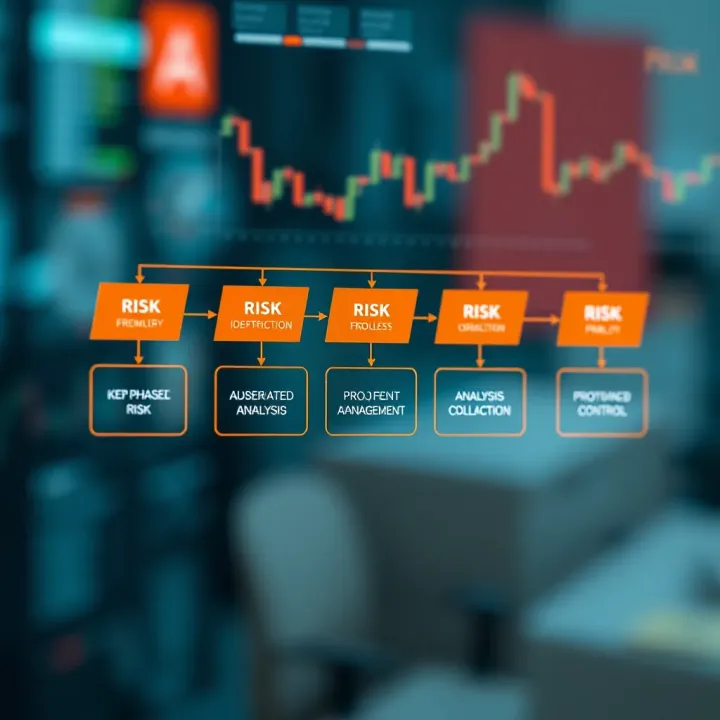
Successful projects don’t just happen; they’re usually backed by strong risk controls that anticipate troubles before they become crises.
Ignoring risks can lead to costly surprises. For example, a construction project in Karachi might suffer if ongoing petrol shortages delay transport of materials, pushing completion dates back. In finance, sudden policy shifts by the State Bank of Pakistan can affect project funding availability.
By identifying these risks upfront, managers can prepare alternative plans, secure better terms from suppliers, or adjust budgets accordingly.
Practical risk management follows a clear sequence:
Identification: List out what could go wrong – from technical failures to external threats.
Analysis: Assess how likely and how damaging each risk could be.
Prioritisation: Focus on risks with the biggest potential impact.
Mitigation: Develop solutions to prevent or reduce the risks.
Monitoring: Keep checking risks as the project progresses and adjust plans.
Imagine a software development project for a Lahore-based client. Early identification might reveal risks such as internet outages or low developer availability during festive months like Ramazan. Mitigation could involve scheduling critical tasks before these periods or arranging backup internet links.
Properly applying these steps helps ensure projects remain on track even when facing issues common in Pakistani business contexts.
Overall, mastering risk management equips professionals to handle challenges efficiently, saving time, money, and reputation.
Risk management is an essential discipline in project management that involves identifying, assessing, and addressing potential problems before they occur. It ensures projects stay on track even when uncertainties arise. For Pakistani businesses, where fluctuating market conditions and regulatory changes are common, effective risk management can spell the difference between success and costly failure.
Risk management refers to the systematic process of recognising possible threats to a project and then taking steps to reduce their impact or likelihood. These risks can be financial, operational, or environmental. For instance, a construction project in Karachi might face risks related to materials shortages or unexpected heavy rains during monsoon season. By managing these risks, project managers protect resources, minimise delays, and keep the project within budget.
Effective risk management provides a clearer view of the project's potential pitfalls, enabling planners to make informed decisions. It also builds confidence among stakeholders such as investors and clients, as risks are openly acknowledged and tackled rather than ignored. This proactive attitude prevents crises that could derail entire ventures.
Risks affect projects in many ways, directly influencing timelines, costs, and quality. A late delivery of essential machinery due to customs clearance delays at ports can stall progress and increase labour expenses for a manufacturing plant set up in Faisalabad. Similarly, unforeseen regulatory changes might require project redesign or additional compliance investments.
Ignoring these risks or addressing them too late usually leads to budget overruns and missed deadlines, which harm reputation and profitability. Conversely, identifying risks early and planning appropriate responses allows teams to adapt quickly. For example, if a project team anticipates loadshedding impacts on site productivity, they might schedule critical work during generator operation or night shifts, optimising output despite power issues.
Understanding the nature and potential impact of risks helps keep projects on solid ground. It turns uncertainty into manageable challenges rather than unpredictable threats.
In short, understanding risk management equips project teams with the foresight and tools to navigate Pakistan’s dynamic commercial and environmental landscape, enhancing the likelihood of delivering successful projects on time and within budget.
Implementing risk management effectively requires a clear, step-by-step process. This approach helps project managers foresee potential issues, measure their significance, and map out responses, preventing costly delays or failures. It’s especially relevant for Pakistani projects where uncertainty from political, financial, or operational factors can be high.
Gathering diverse views from team members, clients, and suppliers during brainstorming sessions reveals risks that might otherwise be missed. For instance, a construction project in Karachi might uncover risks tied to sudden monsoon flooding or supplier delays when all voices are heard. This method encourages open discussion and taps local knowledge to identify risks early.
Using checklists based on previous projects saves time and helps avoid repeating mistakes. Reviewing project archives can highlight recurring risks like budget overruns or equipment failure. In Pakistan’s context, many industries face similar patterns, so this historical insight proves practical for anticipating trouble spots.
Qualitative analysis ranks risks by severity using categories like high, medium, or low—useful when numerical data is scarce. Quantitative analysis assigns numbers like probabilities and cost impacts, providing measurable priorities. Combining both helps Pakistani managers balance intuition with hard data for smarter decision-making.

Assessing the likelihood of a risk occurring alongside its potential effect on the project focuses attention on the most pressing threats. For example, in a software development project, a 70% chance of cyberattack might warrant more focus than a 10% chance of supplier delay.
Avoidance means changing project plans to eliminate risk altogether. If a risk involves unreliable transport routes in remote areas, rerouting supplies through safer channels helps prevent mishaps. In Pakistan, this could mean scheduling critical deliveries before festivals to dodge traffic snarls.
Here, steps reduce risk severity. Installing backup generators at a factory reduces risks from loadshedding, a common issue. Mitigation doesn't remove the risk but limits its impact.
Transferring risk often involves insurance or contracting out risky components. If a project depends on imported machinery, insurance covers damage during transit, shifting financial risk away from the main team.
Sometimes, risks are minor or unavoidable. Choosing to accept means keeping them under watch without immediate action, like minor currency fluctuations in payment schedules.
Risks evolve, so regular check-ins help keep tabs on existing issues and spot new ones. Weekly meetings to review project risks keep everyone aligned and responsive, crucial for fast-changing environments like Pakistani markets.
Documenting risks and updates in a risk register ensures transparency and accountability. If a new risk, say regulatory changes, surfaces, it goes into the register with an assigned owner and mitigation steps. This living document keeps the team informed and focused.
Successful risk management depends on staying proactive. Following these steps turns guesswork into structured action, particularly in Pakistan where uncertainty often looms large.
Understanding common risks in Pakistani projects is essential for traders, investors, and financial analysts who deal with project management in this context. Recognising these risks allows better project planning and helps avoid costly delays or budget overruns. Pakistan’s unique socio-economic environment presents challenges that can directly affect project success.
Financial risks often hit Pakistani projects hard due to currency fluctuations, inflation, and uncertain funding sources. For example, a construction project budgeted at Rs 5 crore can easily swell by 10-15% if the rupee weakens notably against the dollar, given the reliance on imported materials. Delays in payments from government departments or clients can further strain cash flow, forcing contractors to halt work or seek expensive short-term financing. Awareness of these risks encourages contingency budgeting and active monitoring of exchange rates and inflation trends.
Operational risks relate to interruptions in day-to-day project activities. Staff shortages, delayed delivery of equipment, or unavailability of skilled labour are common hurdles in Pakistani projects. For instance, a software development firm in Karachi may struggle to find experienced developers due to high demand and low supply, causing project timelines to slip. Similarly, resource risks can arise from supply chain disruptions, especially when importing specialised machinery. Proper resource planning and vendor management mitigate such risks.
Scheduled power outages, or loadshedding, continue to disrupt business operations across Pakistan. This poses a significant risk to projects reliant on continuous electricity, like manufacturing units or IT data centres. Frequent power cuts result in downtime, reduced productivity, and increased operational costs due to backup generator use or fuel expenses. For instance, a textile mill in Faisalabad faces production slowdowns during peak loadshedding hours, impacting delivery schedules and revenue.
Political instability and shifting regulatory frameworks remain persistent external risks. Changes in government policies, taxation, or import duties can suddenly alter project economics. Consider a real estate development where new zoning laws or increased capital value tax introduce unexpected expenses. Furthermore, political unrest may lead to work stoppages or delays in necessary permits. Staying informed about legislative trends and maintaining flexible project plans helps manage these uncertainties.
Identifying these common risks in Pakistani projects allows stakeholders to put in place relevant risk responses early, reducing the likelihood of disruption and strengthening project resilience.
By paying close attention to financial, operational, and external risks, professionals can better navigate the challenges unique to the Pakistani market. This targeted risk management approach supports timely completion and budget adherence, critical for trust and success in local business environments.
Using the right tools and techniques makes risk management far more effective in any project. These resources help project managers identify potential problems ahead of time, track ongoing risks, and plan appropriate responses. Especially in the Pakistani business environment, where projects often face unique challenges, adopting suitable tools can prevent costly delays and improve decision-making.
Several risk management software platforms have gained traction in Pakistan due to their accessibility and features tailored for local project managers. Tools like Microsoft Project and Primavera are widely used for their comprehensive scheduling and risk tracking capabilities. Meanwhile, cloud-based solutions such as Smartsheet and Zoho Projects are popular for smaller teams, offering easy collaboration and risk logging. These platforms allow teams to centralise risk data, assign responsibilities, and maintain updated risk registers with real-time input.
Such software helps projects handle common local issues like vendor delays and currency fluctuations by providing early warnings through automated alerts. For instance, a real estate development firm in Lahore might use Primavera to flag risks linked to construction material supply or regulatory approvals, making it easier to respond promptly.
Risk management tools work best when integrated with wider project management platforms. Combining risk data with progress tracking, budget monitoring, and resource allocation gives a fuller picture of a project's health. Tools like Microsoft Project and Zoho Projects support plug-ins or built-in modules for risk management, enabling seamless updates and cohesive reporting.
Integration reduces the chance of data silos or overlooked issues. For example, in IT projects run by firms in Karachi, connecting risk logs with task management software like Jira ensures developers and managers receive the same information about potential software bugs or scope changes. This unified approach improves communication and helps manage changing risks more efficiently.
Keeping detailed risk registers and documentation is a fundamental technique for managing project risks. These registers catalog each identified risk, its probability, potential impact, and planned mitigation steps. In Pakistani projects, risk registers also serve as audit trails for regulatory compliance and stakeholder communication.
By constantly updating these records, project teams avoid surprises and maintain clarity on risk status. For example, a manufacturing company in Faisalabad might document machinery downtime risks alongside financial exposure, updating the register after equipment checks or supplier negotiations.
Scenario planning involves imagining different future situations that could affect a project and preparing strategies accordingly. Simulations can model how risks might evolve, helping managers understand potential knock-on effects and test responses without real-world consequences.
In Pakistan, where political and economic factors often shift suddenly, scenario planning is invaluable. A logistics company might simulate fuel price spikes or route blockages due to weather and plan alternative schedules or budgets. This preparedness improves project resilience and decision-making under uncertainty.
Using a mix of these tools and techniques ensures Pakistani project teams handle risks proactively, saving time, costs, and effort while steering the project toward success.
Effective risk management in projects often faces a number of practical challenges. These obstacles can hinder the identification, analysis, and mitigation of risks, leading to project delays, cost overruns, or even failure. Understanding these challenges is essential for traders, investors, financial analysts, and project professionals working in Pakistan’s dynamic economic environment.
One major challenge lies in the organisational culture that undervalues risk management. Many companies, especially smaller firms, may treat risk assessment as a bureaucratic hurdle rather than a strategic practice. For example, in family-owned businesses common in Pakistan, decision-making is often centralised and may not prioritise open risk discussions. Lack of awareness leads to poor documentation and ignored early warning signs. Building a culture that encourages transparency and proactive risk identification requires leadership commitment and training. Without this cultural shift, even the best risk management plans struggle to take hold.
Resource limitations can also restrict effective risk management. Skilled professionals with expertise in risk analysis are rare in Pakistan’s project management landscape. Teams often juggle multiple roles and lack dedicated risk management specialists. For instance, a construction project may have a strong site engineer but no one focused solely on anticipating or mitigating financial or safety risks. Budget constraints further limit investment in tools or training. This shortage affects not only risk identification but also response planning, leaving projects vulnerable to shocks like sudden regulatory changes or supply chain disruptions.
Effective risk management demands clear communication across all stakeholders, but communication gaps frequently occur. Divergent priorities among project sponsors, contractors, and clients cause essential risk information to get lost or misunderstood. In many Pakistani projects, language barriers and hierarchical structures hinder open dialogue. A financial analyst may identify currency fluctuation risks, yet this insight might not reach the on-site team responsible for procurement decisions. Establishing formal communication channels and regular risk review meetings helps ensure that all parties stay informed and aligned.
Overcoming these challenges starts with recognising their impact on project outcomes. A transparent culture, dedicated resources, and clear communication form the backbone of a resilient risk management framework tailored for Pakistan’s business realities.
By addressing these hurdles head-on, project professionals can move closer to managing risks effectively, improving project success rates and safeguarding investments.
Adopting best practices in risk management sharpens a project’s chance of success by reducing surprises and loss. Organisations in Pakistan, especially in sectors like construction and IT, often face unexpected financial leaks and regulatory shifts due to inadequate risk handling. Establishing clear, effective risk management routines helps spot potential problems early, steer resources correctly, and maintain project timelines without frequent disruptions.
Creating a culture where risk discussion is normal and encouraged can be a game changer. This starts from the top management demonstrating openness about risks and rewarding teams for proactive risk identification. For example, a software company in Karachi could hold weekly briefings where everyone shares potential risks they foresee, whether related to coding errors or client delays. Such an environment encourages honesty and early action rather than blame after issues surface, which helps keep projects on track.
Involving all stakeholders, including clients, contractors, and suppliers, throughout the project lifecycle reduces miscommunication and uncovers hidden risks early. Continuous engagement means organising frequent check-ins, progress reviews, and incorporating feedback in risk assessments. For instance, a housing development project in Lahore involving multiple subcontractors benefits when stakeholder input on material delivery delays or weather impacts is considered in real time. This ongoing dialogue creates a shared sense of responsibility and improves the quality of risk response plans.
Risk management skills are not one-off learnt. Pakistani project teams improve with regular training sessions designed around real project scenarios they face locally. Workshops on risk analysis techniques or sessions on using risk management software tools strengthen expertise and confidence. Additionally, sending project managers to seminars or inviting experts for guest lectures keeps knowledge updated. For example, training in scenario planning can prepare teams to handle sudden fuel price hikes impacting logistics costs—something common during inflationary cycles in Pakistan.
Embedding these best practices in your projects leads to better anticipation, mitigation, and agile handling of risks, safeguarding your investments while boosting trust with stakeholders.
Embracing a risk-conscious culture, consistent stakeholder communication, and continuous skill development form the backbone of effective risk management, especially in the Pakistani business environment where external factors can shift rapidly and unpredictably.
📊 Discover how actuarial science helps assess and manage financial risks in insurance and finance, tailored for professionals and students in Pakistan.

Discover how risk management boosts business decision-making, financial strength, compliance, and reputation for steady growth 📈🔍💼

📈 Discover the best trading apps in Pakistan! Compare top platforms for ease, security, features, and cost to fit your trading style perfectly. 💼📱

🔍 Discover the best crypto trading platforms for Pakistani investors, comparing fees, security, and ease of use to help you trade with confidence and safety.
Based on 13 reviews