

Benefits of Risk Management for Businesses
Discover how risk management boosts business decision-making, financial strength, compliance, and reputation for steady growth 📈🔍💼
Edited By
Sophia Clarke
Supply chain risk management focuses on spotting and handling threats that might interrupt the smooth flow of goods and services. In Pakistan’s business environment, these risks can come from a mix of political instability, infrastructure challenges, and regulatory changes. Traders and investors need to understand the kinds of hazards that can hit supply chains and practical ways to reduce their impact.
Common risks include supplier failures, delays in border clearances, sudden policy shifts, and power shortages (loadshedding). For example, a textile exporter in Faisalabad could face delays in material delivery due to transport strikes or customs delays at Karachi ports. These disruptions not only affect production but can also erode customer trust and profits.

To manage these risks, businesses should first conduct a thorough risk assessment, identifying the most vulnerable parts of their supply chain. This could involve mapping suppliers, checking alternative transportation routes, and understanding political or economic trends affecting trade.
Diversify suppliers: Avoid depending on a single supplier or geographic region. For example, sourcing raw materials from both Punjab and Sindh can reduce risks.
Maintain buffer inventory: Holding extra stock helps keep operations running during unforeseen delays.
Use technology: Software for real-time tracking and predictive analytics can alert managers to upcoming disruptions.
Develop contingency plans: Prepare clear responses to common issues like border closures or transport breakdowns.
A strong supply chain adapts quickly. Businesses that keep flexible arrangements and prepare for challenges can continue operations steadily despite shocks.
Besides these, Pakistani firms face unique challenges like fluctuating foreign exchange rates, inconsistent fuel supply, and regulatory unpredictability. Recognising these factors is essential for customised risk management.
In short, active risk assessment combined with smart planning and technology adoption can help maintain supply chain stability amidst Pakistan's evolving market challenges.
Understanding risks in supply chains is a cornerstone for keeping business operations stable and efficient. Supply chains are complex, involving multiple suppliers, logistics hubs, and regulatory environments, especially in Pakistan's diverse markets. Recognising specific risks allows businesses to prepare and respond effectively, reducing the chance of costly disruptions.
Operational Risks arise from everyday activities such as manufacturing delays, machinery breakdowns, or workforce shortages. For example, a textile factory in Faisalabad facing power outages due to loadshedding might miss shipment deadlines, directly affecting downstream retailers. These risks often come from within the supply chain’s processes and require careful management to ensure smooth flow.
Financial Risks refer to currency fluctuations, credit defaults, or sudden increases in costs that impact the supply chain budget. In Pakistan, the rupee’s variable exchange rate against the dollar can raise import prices unexpectedly. For instance, a sudden 10% depreciation in the rupee might increase the cost of raw materials for manufacturers relying on imported goods, squeezing profit margins.
Environmental and Natural Hazards include floods, earthquakes, or extreme weather that disrupt transport routes or damage inventory. The monsoon season often leads to flooding in Sindh and Punjab, blocking highways and delaying shipments. Businesses failing to anticipate such hazards risk significant operational interruptions and loss of perishable goods.
Political and Regulatory Risks cover changes in government policies, taxation, or trade regulations that affect supply chain operations. Pakistan’s intermittent regulatory shifts on customs duties or import tariffs can cause delays at ports and increase compliance costs. For example, a sudden change in NEPRA regulations could alter energy costs for manufacturing units, influencing the overall supply chain expenses.
Delay in Deliveries has direct consequences on production and retail schedules. If shipments from Karachi port are stuck due to labour strikes, downstream facilities in Lahore or Islamabad face shortages, delaying product availability. Such delays harm both B2B and B2C relations, impacting revenue and trust.
Increased Costs often follow disruptions through emergency transport, overtime labour, or sourcing from costlier alternative suppliers. A company forced to switch from Karachi-based suppliers to those in Islamabad due to transport issues may incur higher freight charges, pushing up the final product price for consumers.
Customer Satisfaction Issues arise when products arrive late or inconsistently. In Pakistan’s competitive markets, customers expect timely delivery, especially during festival seasons like Eid. Failing to meet these expectations risks losing shopper loyalty to competitors who can ensure smoother deliveries.
Reputation Damage results when supply chain failures become public, affecting brand trust. For example, delays in pharmaceutical supplies during critical times can create panic and tarnish the supplier’s image, possibly affecting long-term contracts with hospitals and clinics.
Managing supply chain risks is not just about avoiding problems; it’s about building resilience so businesses can adapt and thrive despite unexpected challenges.
Evaluating risks accurately is essential for keeping supply chains steady and reducing unexpected shocks. Without a proper assessment, businesses might waste resources on minor issues and miss major threats. In Pakistan's dynamic market, where infrastructure, regulatory challenges, and political unrest frequently disrupt operations, prioritising risks ensures that management focuses on the most pressing vulnerabilities first.
Qualitative assessment involves gathering expert opinions, interviews, and checklists to identify risks based on experience and observation. It is especially useful when data is scarce or hard to quantify—as is often the case with geopolitical risks or emerging market uncertainties. For example, a textile exporter in Karachi might qualitatively assess supplier reliability based on past communication and informal feedback.
On the other hand, quantitative assessments rely on numerical data and statistical methods. They calculate probabilities and financial impacts, making it easier to compare risks objectively. A firm dealing with imported goods could use historical delivery times and customs clearance stats to measure delay risks in numerical terms. Combining both approaches provides a more rounded picture.
Risk mapping creates visual charts that highlight where risks lie within the supply chain. It helps businesses spot clusters of vulnerability, such as a dependency on a single port or supplier. For instance, if all critical components for an industrial product come through Karachi port, a risk map would flag this concentration, guiding decisions to diversify import routes.
This tool also allows stakeholders to see relationships between risks, enabling proactive steps. A risk map showing overlapping environmental and logistical risks during monsoon season prompts companies to plan alternative transport or inventory buffers ahead of time.
Scenario analysis imagines different risk events and their consequences, helping planners prepare tailored responses. A chemical manufacturer in Punjab might model scenarios like sudden fuel shortages, political strikes, or a supplier’s factory fire. By analysing outcomes, costs, and recovery times, the company can develop contingency plans suited to each scenario.
This method shifts risk management from reactive to strategic. Instead of scrambling after disruption, firms already understand their weak spots and response options.
Prioritising risks means judging both how likely they are and how severely they would hit operations. A rare event with massive damage ranks high in priority, much like a reasonably likely disruption causing moderate losses. For example, a power outage during peak production hours in an industrial zone can cripple manufacturing more than minor supplier delays.
Using a matrix to plot likelihood against impact helps decision-makers allocate resources efficiently. In Pakistan’s cases of frequent loadshedding, recognising this common but manageable risk allows firms to invest in generators strategically.
After identifying risks, assessing the cost of controls against their benefits avoids overspending. For example, installing expensive cooling equipment to protect sensitive goods might not be wise in a dry climate where temperature fluctuations are minimal.
However, for perishable foods distributed through Karachi’s hot and humid climate, the benefits of refrigerated transport would outweigh costs. This analysis ensures money goes to the most effective risk countermeasures.
Not all parts of the supply chain carry equal weight. Critical links—such as sole suppliers, congested ports, or key transport routes—require extra attention. If a manufacturer depends on a single supplier for a unique component, disruption there could halt production.
Businesses should identify and strengthen these weak spots, either by adding alternative suppliers or improving monitoring. For example, a pharmaceutical company sourcing rare ingredients from one factory in Lahore would do well to find additional suppliers or stock extra inventory to avoid stoppages.
Evaluating and prioritising supply chain risks is not a one-time task. Continuous review ensures businesses adapt their strategies to evolving challenges, especially in markets like Pakistan where conditions shift rapidly.
This approach helps companies manage resources wisely, prevent costly surprises, and maintain smooth operations despite unavoidable uncertainties.
Mitigating risks in supply chains is essential to maintain business stability and avoid costly disruptions. Effective strategies reduce vulnerabilities and help companies respond swiftly to unforeseen challenges. Taking practical measures to control risks protects the continuity of operations, especially in Pakistan’s dynamic market where supplies can be affected by infrastructure issues and political uncertainty.
Relying on a single supplier or a limited geographic area can expose a business to severe risks if that source faces problems. By diversifying suppliers and sourcing from multiple locations, companies spread their risks and reduce dependence on any one party. For instance, a textile exporter in Faisalabad might source raw materials not only from local mills but also from suppliers in Punjab and Sindh to ensure constant availability. This approach also allows businesses to respond flexibly to regional disruptions, such as floods or transport strikes, by shifting orders to unaffected suppliers.
Open communication channels with suppliers, transporters, and distributors help identify and solve problems before they escalate. When partners share insights transparently, businesses receive early warnings of potential delays or quality issues. In Pakistan’s context, where informal networks often play a big role, trust and honesty keep the supply chain running smoothly. A daily update from a key supplier about inventory levels, for example, can prevent last-minute panics and enable better planning.
Working together on forecasting and scheduling allows all parties in the supply chain to align their efforts. Joint planning helps avoid mismatches in order quantities and delivery timings that can cause stockouts or excess inventory. Companies like Daraz frequently employ collaborative planning with their courier services and warehouses to manage peak times such as Eid or Ramadan sales. This coordination ensures that demand spikes are managed without disruptions, reducing excess costs associated with emergency procurement or delayed shipments.
Maintaining appropriate buffer stocks shields businesses from temporary supply interruptions. While large inventories increase holding costs, carefully calculated buffer levels based on demand variability and supplier reliability can save a lot of trouble. For example, a pharmaceutical distributor in Karachi keeps extra stocks of critical medicines to deal with sudden transport delays caused by loadshedding or city-wide strikes. Effective inventory management software can assist in real-time monitoring to keep stock levels optimal.
Being prepared with clear contingency plans ensures faster recovery from major supply chain shocks. This includes defining emergency procedures, alternative transport routes, and backup suppliers ready to step in. For companies operating in Pakistan, where natural disasters like floods or political disturbances can disrupt supply lines, detailed disaster recovery plans are vital. A contingency plan might specify switching from road to rail transport if key highways become blocked, or using emergency procurement channels during strikes.
Practical risk mitigation strategies protect businesses from unforeseen disruptions and drive resilient supply chains. The focus should remain on flexibility, communication, and preparedness to face Pakistan’s unique market challenges.
Employing these strategies helps reduce risk impact and keeps supply chains running smoothly, protecting revenue and reputation in uncertain times.
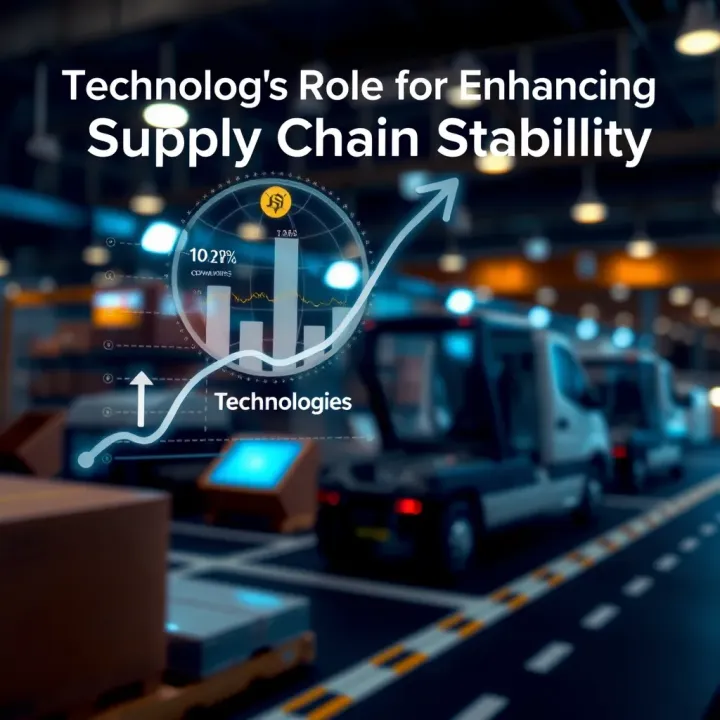
Technology plays a significant part in managing risks within the supply chain. It offers tools that not only enhance visibility but also improve forecasting and automate key processes. For businesses in Pakistan, where infrastructure challenges and political uncertainties persist, technology can provide the edge needed to maintain operational stability and respond swiftly to disruptions.
Supply chain visibility platforms enable companies to track goods and materials at every stage of the journey, from suppliers to the end customer. This real-time insight helps quickly identify bottlenecks or delays, allowing for faster corrective action. For example, a textile exporter in Faisalabad using such a platform can monitor shipments live and adjust plans if delays occur due to port congestion in Karachi.
These platforms consolidate data across multiple suppliers and logistics providers, offering a unified dashboard. This transparency strengthens risk management by highlighting weak links early, preventing surprises during critical periods like the Eid shopping season or during monsoon-related transport disruptions.
Real-time data analytics takes visibility further by interpreting large volumes of operational data instantly. It identifies patterns and predicts potential risks such as supplier defaults or sudden demand spikes. For instance, a FMCG company in Lahore can use analytics to detect unusual purchase orders signalling possible supply crunches or fraud attempts.
The practical benefit is swift decision-making based on data, reducing guesswork. With such analytics, businesses can shift production schedules, reroute shipments, or adjust inventory levels dynamically, ensuring continuity despite unforeseen challenges.
Demand forecasting uses historical sales data and market trends to predict future customer needs. Advanced software, often powered by machine learning, improves accuracy by analysing seasonality, economic indicators, and even weather forecasts, which are crucial in Pakistan’s farming and retail sectors.
For example, a pharmaceutical distributor in Karachi can plan stock better during flu seasons by forecasting increased demand, avoiding both overstocking and shortages. Accurate forecasting reduces waste and enhances responsiveness to market changes.
Automated procurement systems simplify purchasing by setting rules and workflows that trigger orders based on inventory levels or predefined thresholds. This reduces manual errors and speeds up the procurement cycle.
A company in Islamabad operating an automated system can avoid stockouts of critical raw materials by automatically placing orders with trusted suppliers when inventory falls below a certain level. It also helps maintain compliance with procurement policies, which is important given regulatory scrutiny in Pakistan’s business environment.
Efficient use of technology in supply chain risk management transforms challenges into manageable tasks, offering Pakistani businesses resilience amidst economic and logistical uncertainties.
By integrating visibility platforms, real-time analytics, forecasting, and automation, companies can anticipate risks early and act decisively, securing steady operations in an often volatile market.
Pakistan’s supply chain landscape faces distinct challenges that impact the stability and resilience of business operations. Understanding these challenges is vital for traders, investors, and financial analysts who seek to optimise supply chain performance amid local complexities. This section highlights the main obstacles commonly encountered and how they influence supply continuity.
Pakistan’s infrastructure shortfalls significantly hinder supply chain efficiency. Poor road conditions and inadequate motorway connectivity often cause delays, especially when moving goods between industrial hubs like Faisalabad and Karachi’s port. For example, monsoon rains frequently damage rural roads, disrupting timely deliveries of agricultural produce. Warehousing facilities also lack modernisation, resulting in storage inefficiencies and higher spoilage risks for perishables such as fruits and pharmaceuticals. Moreover, inconsistent transport services and container shortages at ports inflate operational costs and complicate inventory planning.
Navigating Pakistan's regulatory environment remains a test for supply chain management, mainly due to fragmented customs procedures and frequent policy changes. Importers often face extended clearance times at borders because of paperwork discrepancies and inefficient coordination among agencies like the Federal Board of Revenue (FBR) and Pakistan Customs. Compliance requirements such as obtaining permits from provincial authorities can delay the movement of goods across regions. For instance, the shifting rules around import duties or local content requirements in sectors like textiles create uncertainty, making risk assessment and cost forecasting more difficult. Staying updated on these regulations and engaging knowledgeable customs brokers is essential for maintaining smooth cross-border operations.
Political uncertainty and security challenges add another layer of risk for supply chains in Pakistan. Sudden protests or strikes in key cities like Karachi or Lahore can block major transport routes, causing extended halts in deliveries. Security threats, including theft and attacks on cargo, increase insurance costs and force companies to invest in protective measures such as GPS tracking and secure warehouses. Additionally, regions near borders or in remote areas might experience disruptions due to militant activities or tensions, limiting safe access for logistics providers. These issues emphasize the need for contingency planning and local intelligence to safeguard operations.
Effective risk management in Pakistan’s supply chains demands a clear awareness of these local challenges. Addressing infrastructure gaps, regulatory hurdles, and security risks not only protects business continuity but also improves competitiveness in a complex market.
In summary, stakeholders managing supply chains here must adopt tailored strategies that reflect Pakistan’s unique environment. Strategic supplier diversification, investment in technology for real-time monitoring, and proactive compliance management help navigate these obstacles successfully.
Discover how risk management boosts business decision-making, financial strength, compliance, and reputation for steady growth 📈🔍💼

📊 Discover how actuarial science helps assess and manage financial risks in insurance and finance, tailored for professionals and students in Pakistan.

Learn the basics of binary addition with easy rules ✅, examples, common challenges, and tips that highlight its role in computing & electronics 💻⚡.

Explore how the decimal 100 converts to binary and why this matters in computing 💻. Learn the process and real-world uses of binary coding.
Based on 15 reviews