

Introduction to Risk Management: A Practical Guide
📊 Understand risk management basics, practical tools, and methods to identify, analyse, and control risks–vital for businesses in Pakistan's dynamic market.
Edited By
James Thornton
Project risk management is a vital process in ensuring the success of projects within Pakistan’s diverse and often unpredictable business environment. It involves identifying, evaluating, and addressing risks that could potentially derail timelines, increase costs, or reduce the quality of project outcomes. Without managing these risks proactively, companies may face delays, financial losses, or reputational damage.
In Pakistan, risks can range from regulatory changes, security concerns in certain regions, to infrastructure challenges such as frequent loadshedding. For example, a construction project in Karachi may face unexpected power outages that halt work, causing delays and extra expenses. Recognising and preparing for these risks early can save both time and money.
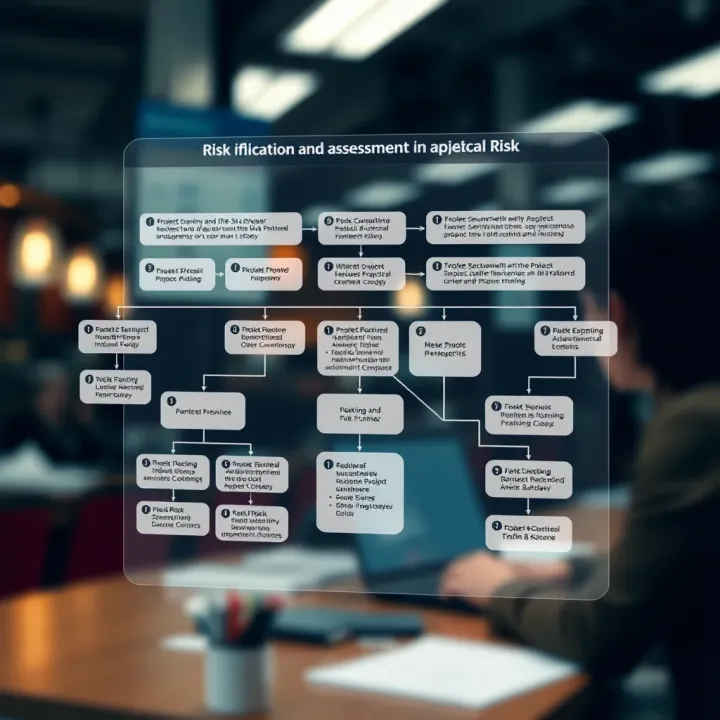
Effective project risk management starts with clear identification of risks. This involves gathering inputs from all stakeholders, including project teams, suppliers, and clients. Once risks are listed, each must be assessed in terms of likelihood and impact. A risk of high likelihood but low impact might be handled differently than one with low likelihood but critical consequences.
Key steps in managing risks include:
Risk Identification: Pinpoint potential risks specific to your project and sector.
Risk Assessment: Evaluate how severe and probable these risks are.
Risk Mitigation Planning: Develop strategies to avoid, reduce, or transfer risks.
Monitoring and Review: Continuously track risks as the project progresses to respond quickly.
Managing risk is not just about avoiding problems but controlling them so that your project stays on track despite uncertainties.
For instance, a financial analyst working on a project portfolio might use risk matrices to prioritise which projects need detailed attention. Meanwhile, a broker involved in infrastructure financing will focus on risks related to political stability and regulatory approvals.
Understanding the practical aspects of risk management helps Pakistani businesses save resources and meet expectations consistently. The approach must be adjusted according to the local context, factoring in economic fluctuations, legal frameworks, and regional challenges. This practical guide will walk you through actionable steps to secure your projects effectively against risks common in Pakistan’s market.
Understanding project risk management is vital for ensuring that projects meet their goals without unexpected setbacks. It revolves around systematically identifying potential problems, evaluating their impact, and planning responses. This helps businesses and development efforts, especially in Pakistan's dynamic environment, to proceed with fewer surprises and greater control over outcomes.
Project risks are uncertainties that could affect the progress or success of a project. These include technical issues, resource shortages, or stakeholder disagreements. For example, a construction project might face delays due to unforeseen weather conditions, while a software development venture may struggle with integration challenges. Recognising these types early allows teams to prepare and act accordingly.
Risks specific to Pakistani projects often relate to local challenges. Frequent power outages — loadshedding — can disrupt timelines, while political instability or sudden policy changes could affect funding or approvals. Infrastructure limitations, such as poor road connectivity impacting supply chains, also pose risks that must be factored into project planning to avoid costly delays.
Effectively managing risks directly influences project outcomes. Projects that overlook risk factors tend to face unexpected obstacles, resulting in missed deadlines or subpar results. For instance, a telecom expansion in a remote area of Balochistan might stall if community engagement risks aren’t assessed and addressed early, risking project failure.
Cost and time implications of unmanaged risks can be severe. Delays caused by unchecked risks often lead to budget overruns, reducing profitability or straining government funds. An infrastructure project halted due to late material delivery because of customs clearance issues will increase expenses and extend timelines, which is especially critical when working with tight fiscal constraints or fixed contract deadlines.
Addressing risks proactively helps safeguard resources and improves chances for project success, making risk management indispensable in Pakistan's project environment.
Overall, understanding and managing project risks ensures that uncertainties do not derail objectives. This approach benefits decision-makers by clarifying potential pitfalls and enabling timely, cost-effective responses.
Understanding the key stages in project risk management is essential to ensure risks don't derail your project plans. Each stage has its own role in not just identifying risks but also prioritising, planning responses, and keeping things under control. This practical approach is especially important in Pakistan, where projects can face unique challenges such as fluctuating supply chains and regulatory hurdles.
Brainstorming sessions offer a hands-on way to spot risks early. Gathering your team and encouraging open, free flow of ideas helps uncover potential issues that might not be obvious on paper. These sessions work well because they bring different viewpoints — a project engineer might spot technical risks, while a procurement expert flags supplier delays. For example, during a construction project in Lahore, brainstorming revealed possible risks from local monsoon flooding that hadn’t been considered initially.
Checklists and historical data serve as reliable tools to avoid missing common or previously encountered risks. Project managers often keep records of past challenges — delays due to load shedding or permit approvals — which then feed into checklists. These help spot familiar issues quickly and plan contingencies. For instance, a checklist used for road projects in Karachi highlighted traffic diversion risks, enabling proactive planning.
Expert consultation adds depth to risk identification when internal knowledge falls short. Bringing in consultants or industry veterans offers insights gained from wide experience. Their advice proved valuable in a textile factory setup in Faisalabad, where experts identified compliance risks with environmental regulations which the team had previously overlooked.
Qualitative risk analysis involves categorising risks based on their potential impact and likelihood without heavy numerical data. This intuitive process helps teams quickly focus on the riskiest elements. Rating risks as high, medium, or low allows project managers to channel energy where it matters most—for example, assigning highest priority to political unrest in a sensitive region.
Quantitative risk analysis goes further, using numerical methods to estimate the size of possible impacts and the chance they happen. Financial models or probabilistic techniques weigh risks against project costs and timelines. This approach suits large infrastructure projects, such as motorway expansions, where precise cost overruns are calculated.
Assessing likelihood and impact means closely examining how probable a risk is and how much damage it could cause. Combining these two factors results in a risk score that guides decision making. For example, a delay caused by imported material shortages is rated high likelihood and medium impact, helping manage supplier diversification accordingly.
Risk responses revolve around four strategies: avoidance, mitigation, transfer, and acceptance. Avoidance means changing plans to sidestep risks, like altering a project timeline to avoid monsoon season. Mitigation involves reducing the risk impact, such as using backup power solutions during loadshedding. Transfer means passing risk to third parties, for example using insurance or outsourcing certain risky tasks. Acceptance comes when risks are low or unavoidable, and teams prepare to handle issues if they occur.
Assigning risk owners is critical for accountability. Each risk must have a person responsible for monitoring and managing it. Without clear ownership, risks may slip through cracks. In a software rollout for a Karachi bank, assigning owners for cybersecurity and compliance risks ensured timely controls and updates.
Regular risk reviews keep the management process alive throughout the project. Recurring meetings track whether risks have changed, new ones appeared, or controls are effective. Such reviews helped a healthcare project in Islamabad adapt quickly to COVID-related supply chain disruptions.
Updating risk registers is about maintaining a current log of risks, status, responses, and owners. An updated register is the reference point for all stakeholders and prevents surprises. For instance, in a power plant project near Multan, the register tracked escalating costs linked to fuel shortages.
Communication and reporting ensure everyone from project teams to board members stays informed. Clear reports, risk briefings, and alerts create transparency and aid in decision making. Timely communication proved vital during a telecom network upgrade in Peshawar, where political tension required quick changes.
Managing project risks is not a one-off activity but a continuous cycle. Focusing on these key stages helps Pakistani projects stay on track despite challenges, protecting investment and boosting stakeholder confidence.
Project risk management depends heavily on the right tools and techniques to identify, evaluate, and monitor risks effectively. Without proper methods, risks can be overlooked or poorly managed, leading to delays, increased costs, or project failure. In Pakistan's dynamic business environment, these tools help teams stay organised and maintain focus amid unpredictable factors such as regulatory changes and infrastructure challenges.
A risk register is a core document that lists identified risks, their causes, potential impact, likelihood, and response plans. Structuring it clearly ensures all project members understand which risks exist and how they’re being handled. A typical risk register in Pakistan’s projects may include columns for risk description, risk owner, priority level, current status, and mitigation steps. This format helps track each risk from identification to resolution.
Maintaining up-to-date records in the risk register is crucial. Projects evolve daily, and new risks can emerge or existing ones may change in severity. Regular updates allow project teams to respond proactively rather than reactively. For example, a construction project might initially struggle with supply delays due to imports but later face labour issues. Keeping the risk register current helps reflect these shifts accurately.
Several software tools cater well to risk management, such as Microsoft Project, Primavera, and local solutions like PlanGrid. These help automate risk tracking and provide dashboards for quick assessment. Using software reduces manual errors and allows sharing updates instantly with stakeholders.
Integration with broader project management platforms is particularly useful. When risk data is accessible alongside schedules, budgets, and resources, decision-making improves. For example, if a risk of material price increase is logged, the system can automatically flag budget adjustments. In Pakistan’s fast-moving markets, this integration saves critical time.
Reporting risk information to stakeholders must be clear and timely. Regular risk reports help sponsors and clients understand the project's health and build their confidence. For instance, quarterly updates summarising risk status and impact ensure everyone stays informed without getting bogged down in details.
Conducting risk briefings for project teams keeps everyone alert to existing threats and upcoming challenges. These can be short, focused meetings to review the risk register and discuss any urgent actions. In Pakistan’s collaborative project culture, such sessions encourage accountability and quick response to changing circumstances.
Effective risk management tools and communication help projects in Pakistan navigate uncertainties smoothly, saving time, money, and resources.
Managing project risks in Pakistan presents unique challenges that can significantly affect outcomes. Understanding these obstacles and adopting effective strategies is key for project managers, traders, investors, and financial analysts aiming for smoother project execution and improved returns.
Limited resources, both financial and human, often restrict the ability to conduct thorough risk assessments or implement mitigation strategies effectively. For example, a small-scale infrastructure project in a less developed region may not have access to advanced risk analysis software or skilled personnel, forcing reliance on traditional methods that might not capture all risk factors. This scarcity can lead to overlooked risks, resulting in project delays or cost overruns.
Financial constraints can also limit contingency budgets, leaving little room for unforeseen issues. In Pakistan’s volatile economic environment, projects might struggle to secure necessary funding upfront, especially when inflation and currency fluctuations add pressure to already tight budgets.
Pakistan’s diverse linguistic and ethnic makeup sometimes creates communication gaps within project teams and with stakeholders. Misunderstandings about project requirements or the gravity of certain risks may arise, particularly when teams come from different provinces or regions.
For instance, in a multinational joint venture, differing expectations and communication styles can hamper risk reporting. Hierarchical workplace culture in many Pakistani organisations might discourage junior staff from voicing concerns, leaving some risks undocumented until they escalate.
Projects here often face external risks outside direct control, such as sudden political shifts, security issues, or unexpected regulatory changes. A construction project near sensitive border areas could suddenly be halted due to security alerts, while import restrictions might delay delivery of essential materials.
Moreover, seasonal factors like monsoon-related floods can disrupt timelines and raise costs unpredictably. These factors complicate risk management as they require dynamic responses rather than fixed plans.
Investing in tailored training programmes for project teams significantly enhances risk awareness and management capabilities. Capacity building focused on local challenges equips staff to identify and assess risks more accurately.
For example, training sessions that simulate real-life scenarios like economic instability or resource shortages can prepare teams better. Such knowledge sharing, especially when involving regional experts, builds confidence and competence at all organisational levels.
Consulting with experienced risk professionals or engaging specialised consultants can provide valuable insights, particularly in complex projects. Advice from experts familiar with Pakistan’s regulatory and business environment helps anticipate hidden risks.
Companies managing energy or large infrastructure projects often benefit from expert input to navigate political and security risks. Leveraging such resources can also aid in establishing more realistic budgets and schedules that include risk contingencies.
Keeping project plans flexible and including contingency buffers is essential in Pakistan’s uncertain environment. Project teams should prepare for multiple scenarios rather than fixed outcomes.
A practical approach is setting aside a contingency fund or timeline margin to absorb shocks like price hikes or delays caused by loadshedding. By planning ahead and adjusting promptly, projects minimise disruptions and maintain stakeholder confidence.
Overcoming project risk challenges in Pakistan requires blending practical knowledge, expert guidance, and adaptive planning. Through these best practices, teams can transform uncertainty into manageable outcomes and secure project success.
By recognising these challenges and applying appropriate strategies, professionals involved in Pakistan’s projects can improve decision-making, resource allocation, and ultimately, project delivery quality.
Project risk management plays a direct role in determining the success of any project, especially within Pakistan's dynamic business environment. Its main function is to highlight potential problems early, allowing teams to make informed decisions and allocate resources efficiently. Without effective risk management, projects are more vulnerable to cost overruns, time delays, and stakeholder dissatisfaction.
Good risk management ensures decisions are based on a clear understanding of threats and opportunities. For example, a construction firm in Karachi might discover early risks related to acquiring materials during monsoon season, allowing managers to schedule purchases ahead and avoid last-minute price surges. This proactive approach also helps allocate resources more wisely—human skills and financial capital are directed toward addressing critical risks rather than less important issues. Project managers can then focus on monitoring high-impact areas, which optimises overall resource use.
Transparent communication about risks and mitigation plans builds trust among clients, investors, and team members. Consider an IT startup in Lahore developing a software solution; sharing a detailed risk register with stakeholders reassures them the project is under control. This confidence can translate into faster approvals and smoother cooperation, especially for projects funded by venture capital or requiring government permits. When stakeholders see risks are actively tracked and managed, they feel more comfortable investing time and money in the project.
Failure to tackle risks promptly often leads to costly delays. A practical example is a textile export business in Faisalabad facing regulatory changes; recognising this risk early enables contingency planning, such as adjusting production schedules or sourcing alternate markets. By doing so, the project avoids stoppages that could push deadlines several weeks back. Effective risk management also keeps teams alert to evolving threats—like sudden loadshedding or security issues—that can disrupt progress. These safeguards minimise surprises, helping projects finish on time and within budget.
Managing risks is not a one-time task but a continuous effort that drastically improves decision making, boosts credibility with stakeholders, and limits avoidable setbacks. For traders, investors, and financial analysts following projects, understanding this role highlights why risk management is essential for sustained success.
By focusing on these practical benefits, Pakistani projects can better navigate uncertainties common in our market while enhancing their chances of smooth, profitable completions.
📊 Understand risk management basics, practical tools, and methods to identify, analyse, and control risks–vital for businesses in Pakistan's dynamic market.

Manage project risks effectively with clear, practical steps for Pakistani professionals. Learn to identify, analyse, respond, and monitor risks throughout project phases 🛠️📊.

Explore how Pakistani businesses tackle compliance and risk management📋, navigate regulatory challenges, and build strong strategies for legal and financial safeguards.

📊 Understand how risk management frameworks help Pakistani organisations identify, assess, and control risks, adapting to local challenges and ensuring resilience.
Based on 12 reviews