

Benefits of Risk Management for Businesses
Discover how risk management boosts business decision-making, financial strength, compliance, and reputation for steady growth 📈🔍💼
Edited By
Laura King
Risk management frameworks form the backbone of sound decision-making for businesses and investors alike. These frameworks provide a structured approach to identify potential risks, assess their impact, and implement controls to minimise adverse effects.
In Pakistan’s unique economic and political environment, organisations face challenges like currency volatility, loadshedding interruptions, regulatory shifts, and supply chain disruptions. A tailored risk management framework helps tackle these challenges by preparing businesses to act rather than react.
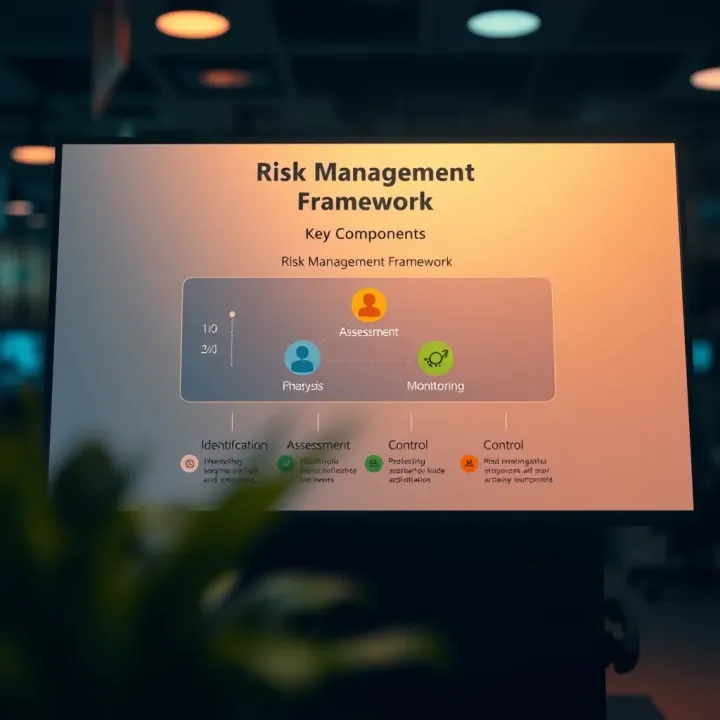
At its core, a risk management framework involves several key stages:
Risk identification: Pinpointing internal and external risks specific to the business or market.
Risk assessment: Evaluating the likelihood and potential damage each risk could cause.
Risk control: Selecting strategies such as risk acceptance, mitigation, transfer (like insurance), or avoidance.
Monitoring and review: Continuously tracking risks and the effectiveness of controls to adapt as circumstances change.
For example, a textile exporter in Faisalabad must consider sudden power outages affecting production and currency fluctuations impacting export profits. Embedding these factors into the risk framework ensures timely responses, such as investing in backup generators or hedging currency exposure through forward contracts.
Organisations that regularly update their risk management approach based on local market conditions strengthen their resilience and safeguard long-term growth.
This guide breaks down how to develop and apply a practical risk management framework suitable for Pakistani enterprises, investors, and financial analysts. You’ll find actionable insights to help grasp not only the theoretical principles but also real challenges faced in local sectors, from finance to manufacturing.
Understanding and implementing these frameworks can reduce uncertainty and increase confidence in business decisions, especially in Pakistan’s dynamic environment.
A risk management framework is the backbone of any organisation’s efforts to handle uncertainties that might harm its operations or goals. It provides a structured approach to spotting, assessing, and dealing with risks before they escalate into costly problems. For traders, investors, and financial analysts, having a clear framework helps manage market volatility, regulatory shifts, and operational hazards in a consistent way.
At its core, a risk management framework shields a company's valuable assets — from cash reserves and physical property to brand reputation. Imagine a manufacturing firm in Karachi facing sudden political instability causing supply chain disruptions. A well-defined framework would anticipate such risks and include contingency plans, limiting financial losses and a blow to reputation. Protecting reputation matters deeply in Pakistan's competitive markets, where word of mouth and client trust often make or break a business.
Risk frameworks provide reliable information for decision-makers. For instance, before entering a new investment, financial analysts use the framework to evaluate potential risks and returns. This structure ensures decisions aren’t just gut feelings but based on well-documented risk assessments and tolerance levels. In volatile markets like Pakistan’s, having such clarity helps avoid rash moves driven by market rumours or political chatter.
Pakistan’s regulatory landscape can change quickly, affecting businesses from banking to telecom. A risk framework helps ensure organisations stay on the right side of laws by embedding compliance checks. For example, banks must follow State Bank of Pakistan directives; a robust framework alerts the team to regulatory changes and enforces necessary adjustments, saving the organisation from penalties or legal hurdles.
This involves recognising what could go wrong and estimating the likelihood and impact of those events. A telecom company in Lahore, for example, might identify risks like data breaches or power outages. Assessing these risks helps the team understand which require urgent attention and which can be monitored, thus deploying resources wisely.
Risk appetite refers to the amount and type of risk an organisation is ready to take, while tolerance defines acceptable levels. A brokerage firm might accept high market risk (high appetite) but low operational risk (low tolerance) to protect client funds. Setting these boundaries helps officials at all levels avoid crossing dangerous lines during volatile periods.
These are the actions or safeguards put in place to reduce risk chances or minimise impact. Controls may be preventive, like encrypting sensitive data, or detective, such as regular audits flagging suspicious transactions. Effective mitigation plans include clear steps to respond when risks actually occur, for example, disaster recovery protocols if a Karachi-based data centre fails.
Defining a risk management framework itself builds the foundation for resilience, allowing organisations to face uncertainty with confidence and clear strategy.
A solid risk management framework stands on several core components that guide organisations to spot, evaluate, and handle risks effectively. These elements offer structure and clarity, helping businesses avoid costly mistakes. For traders and financial analysts, understanding this structure is as essential as reading market charts. Without these components in place, risks may remain hidden until they cause serious damage.
The board of directors and senior management are the backbone of risk governance. They set the tone for risk culture, approve policies, and ensure resources are available for risk management activities. Take, for example, a bank in Karachi: if its management overlooks cybersecurity risks, this can lead to breaches compromising customer data and trust. The leadership’s involvement ensures alignment of risk appetite with strategic goals, crucial when markets fluctuate sharply.

Risk committees act as specialised watchdogs, focusing solely on identifying and overseeing risks. They bring accountability by regularly reporting to the board about risk exposures and mitigation progress. In investment firms, these committees assess portfolio risks and ensure compliance with regulatory requirements. When responsibilities are clearly assigned, risks are less likely to slip through the cracks.
Organisations use varied methods like brainstorming sessions, SWOT analysis, and scenario planning to uncover risks. For brokerage houses, analysing trading volumes alongside geopolitical developments often highlights market volatility risks. The key lies in involving knowledgeable team members who understand operational and external factors influencing risk.
Not all risks carry the same weight. Qualitative methods, such as expert judgement or risk matrices, help classify risks into categories like high, medium, and low. Quantitatively, companies may calculate potential financial losses using Value at Risk (VaR) models, common in Pakistan’s stock trading firms. Prioritisation ensures focus stays on risks that could seriously impact profits or reputation.
Preventive controls aim to stop risks before they happen—like strict access controls on trading systems. Detective controls, on the other hand, identify risks after they occur, such as internal audits uncovering compliance breaches. Both types work together to reduce risk exposure. A good example is the use of real-time transaction monitoring alongside post-trade reviews in financial institutions.
Responding quickly reduces damage when risks materialise. Plans may include steps for containment, communication, and recovery. For instance, an exporter facing currency devaluation risk might hedge currency exposure or delay payments strategically. Clear, documented plans enable organisations to act swiftly rather than scramble aimlessly during crises.
Key risk indicators (KRIs) are measurable signs signalling that risk is rising or falling. Dashboards help management monitor these KRIs in real time. Consider a telecom company tracking network downtime as a KRI affecting customer satisfaction and revenue. Regular monitoring highlights areas needing prompt attention.
Transparency and timely reporting turn risk data into actionable insights, preventing small issues turning into big problems.
Risk environments evolve—new market trends, technology shifts, or regulatory changes can introduce fresh risks. Regular audits check whether controls are working and identify gaps. Framework updates based on audit findings keep risk management relevant and effective. Pakistani firms that regularly review their frameworks often navigate economic uncertainties with greater confidence.
Establishing an effective risk management framework is a practical necessity, especially for organisations aiming to manage uncertainties methodically. This framework sets the foundation for identifying, assessing, and responding to risks in a structured manner. It helps businesses avoid reactive decisions and embed a culture of preparedness across departments.
A thorough understanding of both internal and external environments is crucial. Internally, businesses must analyse their resources, workforce skills, operational processes, and financial health. Externally, factors like market conditions, political climate, and regulatory changes play a big role. Consider a textile exporter in Faisalabad facing fluctuating international demand and frequent policy updates from the government. Without grasping these environments, risk management becomes guesswork.
An organisation’s risk appetite defines how much risk it can stomach while pursuing its objectives. This varies from firm to firm; a venture capital firm is likely to accept higher financial volatility than a government department. Setting clear risk tolerance levels helps avoid costly surprises, ensuring that risks staying within these limits do not trigger alarms unnecessarily. In practice, this means defining thresholds: for instance, a broker might tolerate a 5% portfolio loss before reacting, while a bank may have zero tolerance for credit defaults above a specific percentage.
Documented policies provide a roadmap so everyone knows how to identify, assess, and treat risks. Clear procedures reduce confusion during critical times. For example, a manufacturing firm should have well-arranged guidelines on how to respond to machinery failures to minimise downtime. Policies must be easy to understand and accessible to relevant staff, allowing consistent application across shifts and locations.
Risk management isn’t a one-person job. Assigning specific roles clarifies who does what. For instance, the risk officer might monitor risk levels, while department heads ensure compliance with controls. Holding people accountable makes the system effective and transparent. In a Pakistani SME, this might mean delegating risk oversight to a dedicated manager who coordinates with the accounts team for financial risk and the procurement team for supply chain risks.
Effective risk management depends on informed employees. Training sessions to familiarise all levels with risks and controls help. For example, frontline staff in a bank should recognise signs of fraud or cyber attacks. When employees understand their role in the bigger picture, they contribute more proactively rather than waiting for instructions.
Beyond training, embedding a risk-aware culture encourages people to flag issues early. This culture fosters openness, where concerns are raised without fear. For instance, a telecom company encouraging employees to report network vulnerabilities promptly helps address risks before they escalate. This cultural shift often requires leadership to lead by example and reward proactive risk management behaviours.
Creating an effective risk management framework is more than just a checklist. It requires understanding your business inside out, clear structures, and ongoing awareness to protect your organisation in a dynamic environment.
By following these steps, Pakistani traders, investors, and financial analysts can build risk frameworks that respond to local challenges while supporting sound decision-making and business resilience.
Applying risk management frameworks in Pakistan requires understanding the unique challenges and operational realities businesses face here. These frameworks help identify, measure, and manage risks that often stem from political uncertainty, shifting regulations, and infrastructural shortcomings. For Pakistani organisations, a tailored approach is essential to keep operations resilient and compliant.
Political and economic instability greatly affects risk environments in Pakistan. Frequent changes in government policies, currency volatility, and geopolitical tensions create unpredictable market conditions. For example, a sudden adjustment in import duties or foreign exchange rates can disrupt supply chains and investment plans. Businesses must constantly monitor these factors to adjust risk appetites and response strategies accordingly.
Regulatory changes and compliance present another hurdle. Pakistan’s regulatory landscape is dynamic, with agencies such as the Federal Board of Revenue (FBR) regularly updating tax laws and compliance rules. Delays in adapting to new requirements can lead to penalties or legal problems. Therefore, companies should build flexibility into their risk management frameworks to quickly align with such changes and avoid fines.
Infrastructure and resource constraints also shape risk profiles here. Regular loadshedding, limited transportation options, and occasional supply chain bottlenecks can cause operational disruptions, especially in manufacturing and services. For instance, a textile exporter might face delays due to energy shortages impacting production lines. Recognising these limitations allows businesses to plan effective contingencies and resource allocations.
Banking and financial services in Pakistan operate under tight regulatory oversight and sensitive economic conditions. Banks must manage credit risk, operational risk including technology failures, and compliance risk related to Anti-Money Laundering (AML) policies. Risk management frameworks here often integrate real-time monitoring tools and stress tests to prepare for market turbulence and comply with the State Bank of Pakistan's directives.
Manufacturing and export sectors face risks connected to fluctuating commodity prices, quality control, and international trade policies. For example, a manufacturer in Faisalabad dealing with export restrictions or delayed shipments must embed supply chain risk assessments within their framework. Practical risk controls include diversified sourcing and compliance checks with export regulations.
Information technology and telecom industries are rapidly growing but vulnerable to cyber threats and infrastructure inconsistencies. Pakistani companies in this sector should focus on cybersecurity measures and disaster recovery protocols within their risk frameworks. Telecom providers also need to manage risks related to network downtime, especially with growing dependency on mobile internet services for daily life and business.
For Pakistani businesses, tailoring risk management frameworks to the country’s specific economic, regulatory, and infrastructure realities isn’t optional but necessary. It strengthens resilience and ensures long-term success amid volatility.
The application of these frameworks must prioritise flexibility and ongoing review, recognising local challenges while adopting international best practices suited to Pakistan's market.
Sustaining an effective risk management framework needs constant attention and adaptation. Without regular maintenance, even the best frameworks lose their relevance due to changing business environments and emerging threats. For traders, investors, and financial analysts in Pakistan, maintaining such a framework ensures decisions rest on up-to-date risk profiles, reducing surprises in volatile markets.
Use of technology and data analysis plays a vital role in keeping risk management frameworks current and responsive. Tools such as real-time data dashboards, machine learning algorithms, and customised risk software allow organisations to track market fluctuations, credit exposures, or operational irregularities effectively. For example, a Pakistani bank might use data analytics to detect unusual transaction patterns, flagging potential fraud or compliance issues swiftly.
By analysing historical and current data, firms can identify trends and predict possible risk escalations before they severely impact business. These technologies help convert raw data into meaningful risk insights, aiding timely actions and better resource allocation.
Timely escalation of emerging risks means promptly informing decision-makers about new or heightened risks. In Pakistan's rapidly changing economic and political landscape, this responsiveness is crucial. A delay in escalating risks such as sudden regulatory changes or currency devaluations could cost organisations dearly.
Effective escalation requires clear communication protocols and trained personnel who understand the significance of early warnings. For instance, a manufacturing company facing supply chain disruptions due to seasonal floods must escalate this risk immediately to adjust procurement or production plans accordingly.
Incorporating lessons from incidents helps refine the risk management framework by turning real events into learning opportunities. After a security breach or a market loss, reviewing what went wrong and how existing controls performed can uncover gaps or weaknesses. Pakistani firms dealing with cyber threats often review breach incidents to strengthen their IT risk policies and enhance staff training, preventing future issues.
These post-incident evaluations make the framework dynamic rather than static, improving organisational resilience and decision-making quality over time.
Updating procedures in line with evolving risks ensures the risk management framework reflects current realities. Economic shifts, technological advancements, and changing regulatory demands constantly alter risk landscapes. For example, the growing reliance on digital payments in Pakistan requires updates to fraud detection protocols and compliance checks.
Regular updates might include revising risk appetite statements, adjusting control measures, or adopting new monitoring tools. This proactive approach keeps organisations prepared for challenges and able to seize opportunities without unnecessary risk exposure.
Continuous improvement in risk management safeguards organisations against surprises and fosters a culture where risks are actively managed, not just monitored.
By focusing on ongoing monitoring, timely risk communication, lessons from incidents, and procedure updates, Pakistani traders, investors, and analysts can maintain robust frameworks aligned with their evolving needs.
Discover how risk management boosts business decision-making, financial strength, compliance, and reputation for steady growth 📈🔍💼

📊 Discover how actuarial science helps assess and manage financial risks in insurance and finance, tailored for professionals and students in Pakistan.

🔍 Explore binary classification in machine learning—key concepts, popular algorithms, evaluating models, and practical uses across real-world scenarios.

📊 Learn binary addition with clear, practical examples! Understand basics, carrying method, and solve problems confidently for easy mastery of binary numbers.
Based on 6 reviews