

Essential Forex Trading Books for Pakistani Investors
📚 Discover essential forex trading books tailored for Pakistani investors seeking a strong foundation and expert tips to boost trading skills effectively. 💹
Edited By
William Harper
Gold has long held a special place in Pakistani households and the economy. Beyond being a traditional store of value, it now serves as an active investment option, especially in forex trading where gold is paired against major currencies like the US dollar (XAU/USD). This pairing lets investors speculate on gold’s price movements without owning physical gold outright.
For Pakistani investors, understanding forex gold trading means grasping how global gold prices react and how local conditions influence trading opportunities. Factors such as international demand, geopolitical tensions, and currency fluctuations directly affect gold’s price in the forex market. For example, when the US dollar weakens, gold typically rises, providing a hedge against currency depreciation.
Additionally, trading gold in the forex market has advantages:
Liquidity: Gold is one of the most liquid assets available, enabling quick entry and exit.
Accessibility: Online forex brokers operating in Pakistan offer platforms where investors can trade gold with small capital through leverage.
Diversity: Adding gold to a portfolio can reduce overall risk, balancing volatility in equities or currencies.
That said, investors should be aware of certain challenges. Forex gold trading involves market volatility and can be sensitive to sudden shifts in policy from institutions like the Federal Reserve or geopolitical events. Pakistani traders must also consider local regulatory guidelines and choose brokers authorised by the Securities and Exchange Commission of Pakistan (SECP) to ensure safe transactions.
It’s essential for traders to stay updated on global economic indicators and understand how events like interest rate changes, Pakistan’s rupee fluctuations, or regional tensions may impact gold prices.
In the next sections, we’ll explore effective trading strategies, risk management techniques, and detail platforms tailored for Pakistani investors. This foundation will help you participate confidently in forex gold trading and make informed decisions that align with your financial goals.
Understanding forex gold trading is essential for Pakistani investors looking to diversify their portfolios beyond traditional assets like physical gold or real estate. This section introduces the core ideas behind trading gold within the forex market, highlighting why gold draws attention from traders worldwide and how it fits into Pakistan’s financial context.
Forex gold trading involves buying and selling gold in its electronic form, rather than dealing with physical bars or coins. Essentially, it means trading gold as a currency pair, often quoted against the US dollar, such as XAU/USD. This allows traders to speculate on gold price movements without actually owning the physical metal. For instance, a trader in Karachi can open a position on gold’s price movements during market hours and close it without needing any storage or delivery.
The distinction between physical gold and forex gold trading lies mainly in ownership and logistics. Physical gold requires secure storage, insurance, and often involves making payments in cash or through bank transactions. In comparison, forex gold trading happens online on digital platforms with minimal entry cost and instant transactions. This makes gold more accessible to average Pakistani investors who might not want to handle the complications of buying physical gold.
Gold finds its place in the forex market because it acts like a global currency with universal appeal. Traders use gold to hedge against inflation, currency depreciation, or geopolitical instability. Unlike actual currency, gold doesn’t carry credit risk and tends to maintain value when fiat currencies wobble. For Pakistani traders, this means gold trading can be a way to protect assets during rupee volatility or uncertain economic conditions.
Gold has held historic importance as a safe haven asset. When traditional markets fall or inflation spikes, people rush towards gold to preserve value. This behaviour remains true globally and in Pakistan, where gold is both an investment and a cultural asset, especially during events like weddings and religious festivals.
In Pakistan, gold prices often respond not just to global trends but also local demand and import duties. For example, during periods of rupee devaluation, the local price of gold tends to surge, making it attractive for both investors and consumers. Pakistani jewellery demand remains a significant factor in these price movements.
Global economic conditions deeply impact Pakistan’s gold trading scene. For example, a rise in US interest rates often strengthens the dollar and tends to pull gold prices down globally, which reflects on local markets too. Conversely, geopolitical tensions or inflation fears can push gold prices up. Traders in Pakistan must stay aware of such international factors alongside domestic currency trends to make informed decisions.
Gold trading in forex offers flexibility and hedging benefits, but understanding both global cues and local dynamics is key to success.
In short, this overview lays the groundwork for investors to grasp why gold belongs in the forex market, what sets it apart from physical gold, and how its position affects trading decisions within Pakistan’s unique financial landscape.
Understanding the key factors that drive gold prices in the forex market is essential for any investor in Pakistan. These elements affect not only global pricing but also regional dynamics, impacting how traders can time their entries and exits profitably.
Gold is usually priced in US dollars, so when the dollar strengthens, gold often becomes more expensive for holders of other currencies, causing demand to drop. Conversely, a weaker dollar tends to boost gold prices. For instance, when the US Federal Reserve raises interest rates, it often strengthens the dollar, putting downward pressure on gold prices. Pakistani traders should monitor the Federal Reserve's policy announcements as these can create price swings in gold trading.
Gold traditionally acts as a hedge against inflation. When inflation rises, the purchasing power of paper currency falls, and investors often turn to gold to preserve value. In recent years, rising global inflation—particularly after energy price surges—led to increased gold demand. Pakistani investors can benefit by keeping an eye on inflation reports both locally and internationally to anticipate changes in gold prices.
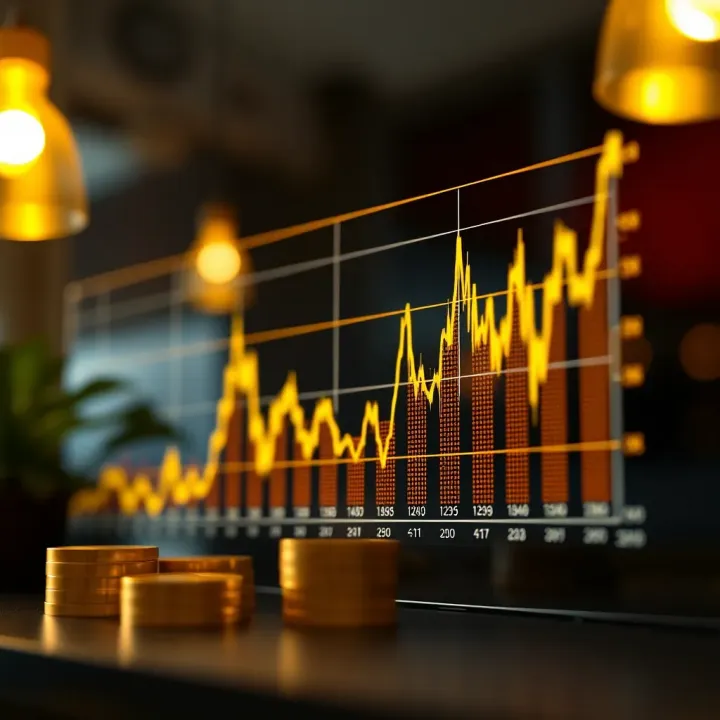
Events such as conflicts, trade wars, or sanctions typically create uncertainty in financial markets. This often leads investors to seek safety in gold, pushing its price higher. For example, tensions in the Middle East or South Asia often trigger a rise in gold prices globally. Traders in Pakistan should watch such developments closely, as sudden geopolitical risks can present trading opportunities or warn of potential volatility.
Since gold is traded globally in dollars, the exchange rate between the Pakistani rupee and the US dollar significantly influences local gold prices. A weak PKR against the USD means importing gold becomes costlier, pushing local prices higher. In recent years, rupee depreciation due to balance of payments pressures has made gold more expensive for Pakistani consumers and traders. Understanding these currency dynamics can help traders anticipate price movements in the domestic market.
Pakistan imposes import duties and taxes on gold, which directly affect its local price. Any changes in these policies, such as increases in customs duties or introduction of regulatory measures, can create sudden price adjustments. For example, a hike in import duties by the government as part of revenue measures can raise gold prices unexpectedly. Keeping informed about fiscal policies and trade regulations helps traders manage risks and spot when price shifts might occur.
Gold plays a big role in Pakistani culture, especially in weddings and festivals like Eid, driving stable demand annually. Investor interest also surges during periods of economic uncertainty or currency instability. For instance, when the rupee weakens or market conditions worsen, many Pakistanis move savings into gold, causing price upticks. Traders should watch seasonal demand trends and economic indicators to better predict local price fluctuations.
Investors who track these global and local factors closely can improve their timing and strategy in trading gold on the forex market, reducing surprises and capitalising on informed price movements.
In summary, gold prices react to a complex mix of global economic indicators and local Pakistani factors, including currency rates, duties, and demand cycles. Understanding these helps traders make smarter decisions and better manage their risks.
Trading gold in the forex market presents a practical option for Pakistani investors looking to diversify their portfolios. Unlike physical gold, forex gold trading does not require storage or security but offers exposure to gold’s price movements. Understanding how to trade effectively in this arena helps investors manage risks and seize opportunities as prices fluctuate due to global and local events.
Pakistani traders have access to both international platforms like MetaTrader, XM, and IC Markets, and local brokerage firms offering forex gold trading services. These platforms differ in terms of regulation, ease of use, and the variety of trading instruments available. For example, MetaTrader is popular for its advanced charting tools, while some local platforms integrate easier deposit options with JazzCash or Easypaisa.
When selecting a platform, regulation is vital to ensure your funds are secure. Look for brokers regulated by reputable bodies such as the FCA or CySEC, since Pakistan's own regulatory framework is still evolving for forex trading. Fees matter too; lower spreads on gold trading pairs reduce trading costs, while platforms with user-friendly interfaces help beginners navigate without hassle.
Local platforms may offer smoother deposit and withdrawal processes but often lack the breadth of tools found in international brokers. Many traders combine both, using international brokers for sophisticated analysis and local brokers for easier fund flow.
Short-term traders usually capitalise on gold’s daily price swings using quick entry and exit points. For instance, they might use news about US inflation rates or geopolitical tensions to make quick profits. Long-term investors, meanwhile, hold positions over months, anticipating global trends such as central bank policies or currency crises that push gold prices higher.
Technical analysis plays a big role in both approaches. Indicators like the Relative Strength Index (RSI) or Moving Averages can guide buying or selling decisions. For example, if gold’s 50-day moving average crosses above its 200-day moving average, it might signal a buying opportunity.
Risk management is crucial, given gold's volatility. Using stop-loss orders limits downside, while diversifying trading size avoids overexposure. For example, never invest more than two to three percent of your account balance on a single trade.
Leverage lets traders control larger gold positions with smaller capital, which can amplify profits but equally increase losses. In Pakistan, leverage for gold trading can be as high as 1:100 on some platforms, but beginners should use it cautiously.
Calculating margin is straightforward: if you want to buy 1 ounce of gold priced at $2,000 with a 1:50 leverage, you only need to put down $40 as margin. However, rapid price drops can trigger margin calls, requiring more funds to keep positions open.
Avoiding margin calls involves keeping enough free margin to absorb volatility. It also means setting realistic stop-loss levels and not over-leveraging. Regularly monitoring your open trades is necessary to act quickly if the market moves against you.
Successful gold trading in forex blends careful platform choice, smart strategies, and disciplined risk management to withstand market ups and downs.
Trading gold in the forex market involves a mix of opportunities and pitfalls. For Pakistani investors, understanding these risks and challenges is essential to protect capital and make informed decisions. This section highlights key hurdles ranging from unpredictable price swings to regulatory hurdles and the dangers of unregulated brokers.
Gold prices can shift suddenly, influenced by factors like dollar strength, inflation reports, or geopolitical events. Such abrupt swings affect forex gold traders equally, often causing sharp gains or losses in minutes. For example, during global crises like the Russia-Ukraine conflict, gold prices surged unpredictably, making timing trades tricky for many Pakistani investors.
Local events like rupee devaluation or government announcements on import duties further add to volatility. Since Pakistan imports most gold, rupee depreciation often pushes local gold prices higher, impacting forex trading behaviour.
To deal with this volatility, traders should apply tools such as stop-loss orders and position sizing to limit downside risk. Keeping a clear plan and not reacting emotionally during sudden price jumps helps manage losses. Diversifying trades and staying updated with global and local news reduces surprises.
Forex gold trading in Pakistan is subject to securities regulations overseen by the Securities and Exchange Commission of Pakistan (SECP). These rules aim to ensure that brokers and trading platforms operate transparently and protect investors from fraud.
The State Bank of Pakistan (SBP) also plays a role by regulating foreign exchange dealings and limiting unauthorized forex activities. Pakistani investors must choose brokers compliant with these guidelines to avoid legal complications. Non-compliant platforms can cause blocked withdrawals or account freezes.
Tax laws on trading profits require close attention. Gains from forex trading are taxable under Pakistan’s Income Tax Ordinance, and traders should keep detailed records of transactions. Filing correct tax returns avoids penalties and helps maintain good standing with the Federal Board of Revenue (FBR).
Choosing a trustworthy broker is vital. Legitimate brokers usually have licenses from recognised bodies like SECP or international authorities such as FCA (UK) or CySEC (Europe). They offer transparent fee structures, fast execution, and clear terms.
Beware of red flags like promises of guaranteed profits, pressure to invest large sums quickly, or unverifiable company addresses. Fake brokers often have flashy websites but lack real customer feedback or have reports of delayed payments.
Safe trading starts with:
Using demo accounts to test platforms
Verifying broker credentials on SECP’s database
Avoiding platforms that require unusual payment methods
Always perform thorough background checks before committing money to avoid falling prey to scams.
By recognising these risks and preparing accordingly, Pakistani forex gold traders can navigate the market more confidently and protect their investments.
Trading gold in the forex market can be rewarding for Pakistani investors, but success needs more than just luck. Practical tips focus on preparation, realistic planning, and keeping informed. These steps help minimise risks and maximise potential gains in a market that moves fast and can be unpredictable.
Using a demo account before investing real money gives new traders a safe space to learn without financial risks. It allows you to practise making trades, test strategies, and understand gold price movements in real time, all with virtual funds. For instance, if you try trading on MetaTrader or other popular platforms, demo accounts help familiarise you with the tools and order types without risking your Rs 1 lakh or more unnecessarily.
When choosing a demo account for gold trading, pick one that mirrors real market conditions closely. The platform should offer live gold prices and the ability to use leverage options realistically. For a Pakistani trader, it is helpful if the broker provides customer support during Pakistan Standard Time (PKT) hours and ensures reliable execution speed, minimizing delays that can impact trade outcomes.
Crafting a trading plan based on Pakistan’s market conditions is vital. Consider local events like currency depreciation, Punjab’s festival seasons when gold demand rises, or governmental import policies. A clear plan specifying your daily or weekly goals, maximum acceptable loss, and profit targets will keep your trades disciplined. Aiming to double funds overnight often leads to risky decisions, but targeting steady 1-2% gains per week is more doable.
Discipline and emotional control matter just as much as technical skills. The forex gold market can swing suddenly, especially with global economic news, so reacting impulsively can harm your capital. Stick to stop-loss limits, avoid chasing losses, and never trade based on emotions like fear or greed. Experienced Pakistani traders often mention that keeping a trading journal helps manage psychological pressure effectively.
Staying updated with economic news from sources like Business Recorder, Dawn’s business section, and international platforms such as Bloomberg or Reuters helps anticipate market moves. Pakistan-specific factors, such as rupee-dollar exchange rates or SBP interest rate changes, influence gold prices heavily.
Understanding the role of technical versus fundamental analysis is also useful. Technical analysis studies past price charts for trends and patterns, in contrast to fundamental analysis which considers economic reports, inflation data, or geopolitical events. Combining both offers a clearer picture—like watching SBP’s monetary policy decisions while tracking gold price charts for breakout signals.
Tools like investing apps or specialised websites that provide gold price alerts and forex signals make tracking easier. Pakistani traders often use mobile apps with notifications for key levels, helping them act quickly. Ultimately, a well-informed trader can respond to market changes before losses accumulate.
Practise with demo accounts, set realistic goals, control emotions, and follow market updates closely — this approach improves your chances of forex gold trading success in Pakistan.
📚 Discover essential forex trading books tailored for Pakistani investors seeking a strong foundation and expert tips to boost trading skills effectively. 💹
Explore how gold rates influence forex trading in Pakistan 🇵🇰. Understand price movements, market factors, and smart strategies for local traders in PKR currency markets.
📈 Understand Forex trading hours, sessions, and overlaps to optimise your strategy. A detailed guide for Pakistani traders on market timing, liquidity, and volatility.
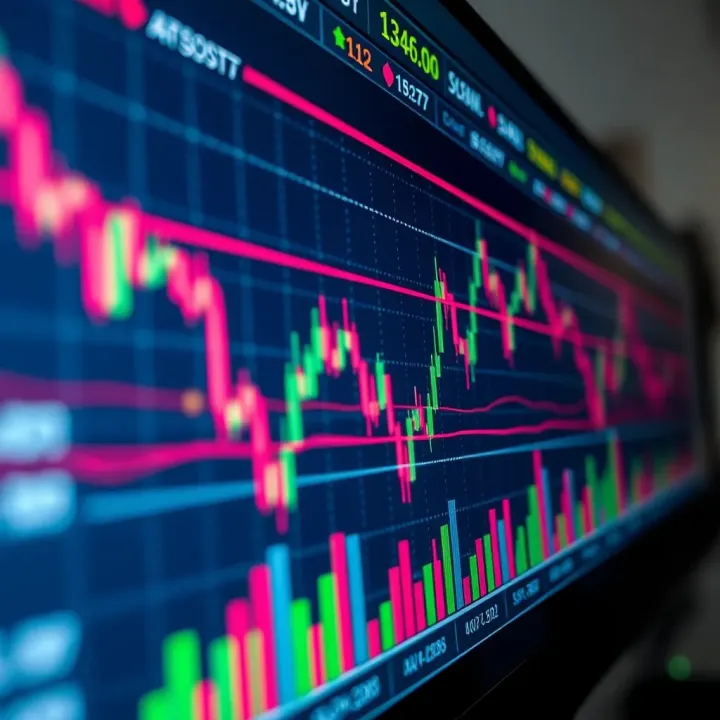
📈 Explore key forex trading signals, tools, and tips to spot market chances safely. Essential for Pakistani traders seeking smart currency moves!
Based on 7 reviews