
Forex Trading News: Impact on Currency Market
📈 Understand how forex trading news shapes Pakistan's currency market, influencing traders with global events, economic indicators, and local insights for smart decisions.
Edited By
Isabella Hughes
Forex trading signals serve as important guides for traders looking to navigate the fast-moving currency market. These signals point out potential trading opportunities by analysing price patterns, market trends, and economic indicators. For Pakistani traders, understanding these signals can lead to more informed decisions and better use of limited capital.
Signals in forex come in various forms. Some are based on technical analysis, like moving averages or support and resistance levels, while others arise from fundamental data such as interest rate changes announced by State Bank of Pakistan (SBP) or geopolitical events affecting currencies like the PKR.
Successful trading hinges on interpreting signals correctly and timing your trades wisely.
Here are some common types of forex signals:
Trend signals: Indicate the direction the currency price is moving. For example, if the 50-day moving average crosses above the 200-day moving average, it signals a potential upward trend.
Reversal signals: Suggest a change in directional momentum, such as a double top or head and shoulders pattern on charts.
Volatility signals: Show when currency prices are expected to swing wildly, often triggered by events like SBP’s monetary policy announcements.
Economic news signals: Based on data releases like inflation rates, trade balances, or political developments in Pakistan or abroad.
To interpret these signals, traders use tools like charting platforms (MetaTrader, TradingView), indicator plugins, and economic calendars tailored for Pakistani market timings.
It is essential to be cautious as no single signal guarantees success. Combining multiple signals, sticking to a clear risk management plan, and being aware of the local market conditions—like PKR volatility owing to external debt payments or oil price shocks—can greatly improve your chances.
In short, learning how to spot and analyse forex signals is key to trading smartly, especially for those trading pairs like USD/PKR or EUR/PKR where regional factors play a big role.
Forex trading signals are alerts or prompts that indicate potential trading opportunities in the foreign exchange market. These signals guide traders in deciding when to enter or exit a trade based on various analyses. In Pakistan’s fast-moving forex environment, recognising reliable signals helps traders save time and reduce guesswork.
A forex signal typically consists of specific information about a currency pair: whether to buy or sell, suggested price levels, and sometimes stop loss or take profit points. Their main purpose is to provide actionable insights derived from market analysis — technical, fundamental, or sentiment — so traders can act promptly.
For instance, a signal might alert you that the USD/PKR pair shows a bullish trend supported by an upward crossover of moving averages. This prompts you to consider buying USD before the exchange rate moves further in your favour.
Traders often get these signals through SMS, trading platforms, or apps like MetaTrader used by many in Pakistan. Signals help both novice and experienced traders by sending well-timed suggestions that are otherwise difficult to spot in real time.
In forex trading, every second counts. Signals reduce analysis paralysis by delivering clear entry and exit points based on data. They act as a shortcut for traders to respond quickly to market changes without monitoring charts 24/7.
Consider a situation where the State Bank of Pakistan (SBP) unexpectedly changes the interest rate. A fundamental signal may highlight this event’s influence on the PKR, advising traders to reassess their positions. Without such signals, traders may miss timely opportunities or react late.
Moreover, signals complement personal research by confirming trends or warning of reversals. This layered approach helps traders avoid impulsive decisions driven by emotion. For example:
A technical signal shows the Relative Strength Index (RSI) of EUR/USD is oversold, indicating a possible price rise.
A sentiment signal reveals bearish market mood due to political uncertainty in Europe.
Combining these insights, traders can better weigh risk against potential reward.
Using forex trading signals wisely is not about blind following but informed action. They should form part of a broader strategy including risk management and continuous learning.
Ultimately, forex trading signals matter because they bring precision and clarity to the volatile currency markets, helping traders in Pakistan and abroad make smarter, faster decisions without being overwhelmed by information overload.
Understanding the main types of signals in forex trading equips traders to make informed decisions based on various market activities. These signals broadly fall into three categories: technical, fundamental, and sentiment signals. Each serves a unique purpose in interpreting market movements and spotting potential opportunities or risks.
Moving averages smooth out price fluctuations to reveal the underlying trend. For example, a simple moving average (SMA) averages closing prices over a set period, such as 50 days. When a shorter-term moving average crosses above a longer-term one, it signals a potential upward trend—a buy indication. Conversely, when it crosses below, it may point to a decline. Traders use crossovers to time entry or exit points, especially in volatile pairs like USD/PKR, to avoid reacting to sharp but short-lived price swings.
RSI measures the speed and change of price movements, signalling whether a currency is overbought or oversold. Typically, an RSI above 70 suggests overbought conditions and possible price corrections, while below 30 indicates oversold conditions and potential rebounds. For Pakistani traders, monitoring the RSI on major crosses like EUR/USD can help avoid buying at a peak or selling in panic, particularly during economic events.
Support levels are price points where a currency tends to stop falling due to buying interest, while resistance levels are where selling pressure may cap gains. Identifying these zones enables traders to anticipate price bounces or breaks. For instance, if USD/JPY repeatedly tests a resistance at 110.50 but fails to break it, traders may consider selling near that level. Watching these zones helps in setting stop-loss orders to limit risk.
Central bank interest rate decisions affect currency value directly. Higher rates typically attract foreign investment, strengthening the currency. For example, the State Bank of Pakistan’s rate adjustments often influence PKR’s value against the US dollar. Traders monitor these announcements closely since unexpected hikes or cuts can trigger swift market moves.
Inflation data, such as the Consumer Price Index (CPI), and employment figures reflect economic health. Rising inflation may cause central banks to raise rates, while strong employment can boost consumer spending. If Pakistan’s inflation rises sharply, forex traders may anticipate PKR depreciation if the SBP does not act promptly. Conversely, positive employment trends in the US might strengthen USD against other currencies.
Political stability or unrest, trade agreements, and conflicts impact currency sentiment. For example, tensions in the Middle East can affect oil prices, indirectly influencing PKR due to Pakistan's energy imports. Similarly, peace talks or sanctions can cause volatility in the forex market. Traders should keep an eye on news from Islamabad, Washington, and regional hotspots to gauge potential effects.
Sentiment signals reflect the overall mood of traders and investors, often captured through positioning data or surveys. For instance, if the majority of traders are bullish on GBP, a reversal might occur once the market is overcrowded. Market psychology plays a subtle but critical role in forex, as fear and greed often drive price swings beyond fundamentals. Recognising sentiment helps traders anticipate turning points and avoid herd behaviour.
Combining different types of signals improves the chances of successful trades. Technical indicators offer precise entry points, fundamentals provide context, and sentiment signals reveal market crowd behaviour. Understanding all three helps traders in Pakistan and beyond navigate the forex market with better insight.
Choosing the right tools and platforms to receive forex signals is essential for timely and effective trading decisions. These platforms vary in how they deliver signals, affecting both accessibility and speed—two factors that can make or break a trade, especially in the fast-moving forex market.
Receiving forex signals through SMS or mobile notifications is one of the quickest ways to stay updated, particularly for traders on the go. Providers send short, clear alerts directly to your mobile device, ensuring you do not miss crucial market moves even if you aren’t actively monitoring your screens. For instance, a trader in Karachi could instantly get alerts about a sudden change in PKR/USD rates while away from a desk setup.
This method suits traders who value immediacy without the need for constant app monitoring. While SMS might feel a bit old school compared to apps, its simplicity and reliability make it popular, especially where internet speed and stability vary across Pakistan.
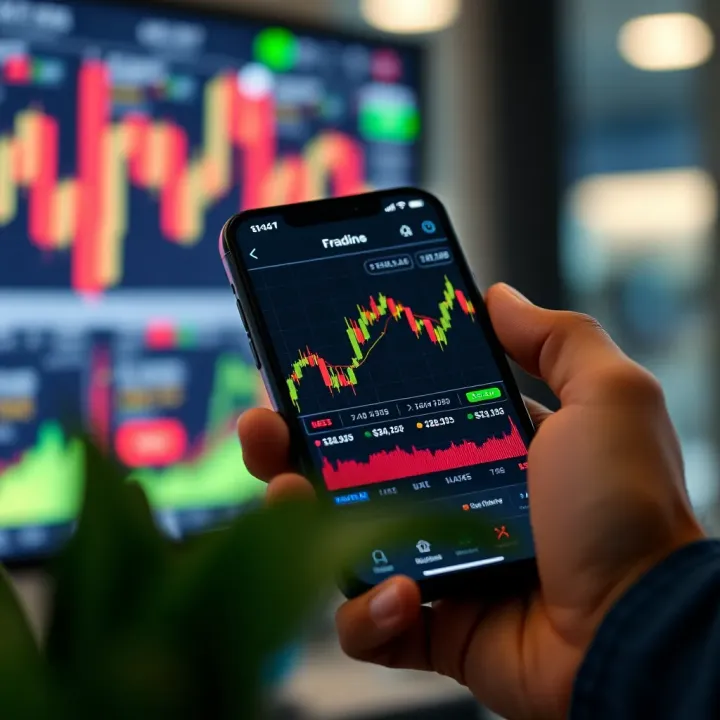
Mobile apps have transformed how traders receive and act on forex signals. Platforms such as MetaTrader 4 and TradingView offer real-time updates, charts, and community insights within one app. Social trading features enable users to follow experienced traders, copying their trades automatically—a huge help for beginners or those short on time.
In Pakistan, apps linked with brokers like IG or XM allow notifications tailored to the user’s portfolio and risk level. This interactive experience not only keeps traders informed but also provides tools to analyse signals directly on their mobile devices, making decision-making more integrated and practical.
Email alerts remain a strong medium for delivering in-depth forex signal analysis. Traders who prefer detailed reports, including charts and commentary, benefit from emails that can be reviewed at a convenient time. Websites offering forex signals also serve as repositories of historical signal data, helping traders spot patterns and refine strategies.
However, email delivery may face delays compared to instant app notifications. Traders in Pakistan who rely on email should ensure good connectivity, especially if their trading strategy demands rapid responses to market changes.
Automated forex signal systems and Expert Advisors (EAs) execute trades based on predefined parameters set by the trader. These computer programs scan markets 24/7, firing signals or trades without subjective human bias or delay.
For example, a trader using MetaTrader 4 in Lahore might implement an EA programmed to enter buy or sell positions when the RSI hits particular thresholds. This hands-off approach suits traders who cannot monitor the market continuously due to work or other commitments.
That said, reliance on automated signals requires cautious testing. Markets can behave unpredictably, and automated tools must be regularly updated and monitored to avoid costly mistakes. Combining human insight with automated signals tends to yield better outcomes.
Selecting the right mix of tools depends on your trading style, schedule, and preference for detail. Efficient platforms, whether through SMS, apps, or automation, can sharpen your edge in the forex market.
In short, understanding and assessing forex signal delivery methods is vital. Traders in Pakistan should consider local internet quality, device availability, and their own time for market monitoring before choosing a platform.
Using forex signals wisely can make a significant difference in your trading results. They provide valuable insights but aren't foolproof steps to success. To make the most of them, you need to assess their accuracy and integrate them practically into your trading approach.
Before acting on any forex signal, it’s essential to confirm its reliability. Many providers offer signals, but not all maintain consistent accuracy. A good starting point is to backtest signals using historical market data relevant to your currency pairs, such as USD/PKR or EUR/USD, to see how they performed under past market conditions. Additionally, monitoring the provider’s track record over weeks or months helps identify if signals tend to produce profitable trades.
Another practical step is to compare signals from different sources before executing a trade. If multiple trusted providers suggest similar moves, chances are higher that the signal is dependable. Also, keep an eye on the timing of signals; delayed alerts can lead to missed opportunities or entering trades too late, especially in the fast-moving forex market.
Never rely solely on signals without your own judgement. They are tools, not guarantees.
Signals work best when paired with your own technical analysis. For instance, if a signal indicates a buying opportunity on USD/PKR, check established technical indicators like moving averages or support levels on your chart. If these confirm the signal, your confidence in the trade increases. This combination filters out weaker signals and prevents impulsive trade entries based solely on alerts.
Using trends or candlestick patterns alongside signals sharpens timing. A bearish engulfing pattern appearing near a resistance zone along with a sell signal adds weight to the decision. This approach helps you understand if the signal fits the current market context instead of chasing every alert.
Implementing stop loss and take profit orders is crucial when trading on signals. A stop loss limits potential losses if the market moves against you, while a take profit secures gains when targets are reached. For example, if a signal suggests going long on EUR/USD with an expected 50-pip gain, setting a stop loss 30 pips below your entry protects your capital against unexpected reversals.
These orders eliminate emotional decision-making and keep your strategy disciplined. Especially in volatile conditions common during major releases or geopolitical events, automatic exit points avoid hasty decisions that can escalate losses.
Effective risk management ensures one bad trade won’t wreck your portfolio. Many Pakistani traders risk 1-2% of their capital on each trade based on signals. This means if you have Rs 1 lakh, your maximum loss per trade should usually be around Rs 1,000-2,000.
Besides position sizing, diversify your trades to avoid excessive exposure to a single currency or economic event. Use signals as one input among others, and keep reviewing your trades to learn where signals performed well or faltered. Remember, consistent profits come from small, managed wins rather than chasing big gambles.
By treating signals as part of a broader strategy, rather than a shortcut, you improve your chances of long-term success in forex trading.
Relying solely on forex trading signals carries inherent risks that every trader needs to understand before diving in. While signals can save time and offer insights, they are never foolproof and should be treated as one part of a broader strategy. Overdependence on signals might lead to missed opportunities for personal analysis and poor decision-making when the market behaves unexpectedly.
Forex signals can sometimes be inaccurate or arrive too late to be valuable. This often happens when the source of the signal suffers from technical issues or when the market moves faster than the signal updates. For example, during high-volatility events like Pakistan’s political announcements or major economic reports from the State Bank of Pakistan (SBP), prices might swing rapidly, making a delayed signal obsolete.
False signals might suggest entering a trade that quickly moves against you, resulting in losses. Traders must remember that no provider or automated system can guarantee 100% accuracy. Therefore, verifying signals through your own analysis or additional tools helps reduce risk.
Even the best forex signals should be double-checked against market conditions to avoid costly mistakes.
Forex markets evolve constantly with new data, geopolitical shifts, and changing trader sentiment. Relying on signals without staying informed can leave you blindsided. Traders need to build a strong foundation of market knowledge and regularly update themselves with Pakistan’s financial news, monetary policy changes, or global economic events affecting PKR pairs.
Continuous learning helps you interpret signals more accurately and adjust your strategy accordingly. For instance, understanding the impact of WAPDA’s energy policies on the rupee or how regional trade agreements influence currency movement can enhance your decision-making.
Besides, practising risk management and keeping track of your trades helps improve long-term performance rather than blindly following signals. Combining signals with personal insight and ongoing education is the key to safer, smarter forex trading.
In sum, forex trading signals are useful tools but come with limitations such as false or delayed alerts. To benefit fully, pair signals with your continued learning, market awareness, and thorough analysis before executing trades.
📈 Understand how forex trading news shapes Pakistan's currency market, influencing traders with global events, economic indicators, and local insights for smart decisions.

Explore top forex trading courses in Karachi 📈 Learn course details, practical training, cost, and expert tips to boost your trading skills safely in Pakistan's market.
🔍 Find the best forex trading platform for Pakistani traders! Compare features, costs, security, and regulations to trade smart and safe in Pakistan's market.
Find the best forex trading apps in Pakistan 📊. Compare features, safety, regulations, and payment options to pick the perfect platform for your needs.
Based on 14 reviews