
Best Forex Trading Platforms for Pakistani Traders
🔍 Find the best forex trading platform for Pakistani traders! Compare features, costs, security, and regulations to trade smart and safe in Pakistan's market.
Edited By
Sophie Wilson
Learning forex trading properly is essential for Pakistani investors who want to navigate the currency market wisely and protect their capital. It is not just about guessing currency moves but understanding concepts, strategies, and real-world factors that affect exchange rates. A well-chosen set of forex trading books can provide this practical foundation.
Starting with the right books saves you time, helps avoid costly mistakes, and sharpens your decision-making. Many beginner-friendly titles introduce key ideas like currency pairs, leverage, risk management, and chart reading. For instance, some volumes explain how geopolitical events in Pakistan and neighbouring countries influence forex trends, making the content relevant beyond generic theory.

At the same time, advanced books dive into technical analysis, algorithmic trading, and psychology, areas vital for experienced traders aiming to refine their edge. Pakistani investors can benefit especially from resources that address local market conditions, regulation by the State Bank of Pakistan (SBP), and taxation issues governed by the Federal Board of Revenue (FBR).
Investing time in well-reviewed forex books builds confidence and equips you to read the market's signals with greater clarity, a must-have skill given the volatility often seen in emerging economies.
When choosing forex books, consider your current skill level and trading goals. A beginner might start with straightforward guides focusing on concepts and terminology, while seasoned investors should look for books with case studies, detailed strategy explanations, and expert insights.
Pick titles that specifically mention the FX market and practical trading techniques
Look for authors with proven trading experience or recognised expertise
Prefer books that include up-to-date chapters reflecting current global and regional economic conditions
Check for Pakistani editions or localised forewords addressing challenges unique to the PK market
This first step will help you build a solid base before moving on to more complex strategies and active trading setups. Effective reading combined with practice forms the backbone of sustainable success in forex trading.
In short, a curated list of forex trading books tailored for Pakistani investors is an invaluable resource that blends sound theory with relevant practical knowledge. This article will highlight essential books and guide you on what to expect from each to improve your trading approach steadily.
Grasping the basics of forex trading is essential before diving into complex strategies or investing real money. A clear understanding not only builds confidence but helps you avoid common pitfalls, especially in Pakistan’s rapidly developing financial environment. Let's start with the fundamentals.
Forex trading involves buying and selling currencies on the foreign exchange market to profit from changes in exchange rates. Unlike stock markets, forex operates 24 hours a day across different global centres, allowing traders to speculate on pairs like USD/PKR or EUR/USD. For example, if a trader expects the US dollar to strengthen against the Pakistani rupee, they can buy USD/PKR and aim to sell later at a higher rate.
Forex markets function through a network of banks, brokers, and traders globally. The market is decentralised, meaning no single exchange governs it. Key trading sessions run in London, New York, Tokyo, and Sydney, overlapping at times for increased volatility and opportunities. This global operation enables Pakistani traders to participate actively from Islamabad to Karachi, using local brokers linked to international networks.
Currency pairs form the core of trading, where the first currency is the base, and the second is the quote currency. Movements happen in pips, the smallest units measuring price change, and leverage allows traders to control larger positions with smaller deposits. However, this can amplify risks, making a firm grip on market mechanics vital.
Books offer structured and vetted knowledge, crucial for Pakistani investors aiming to build strong forex foundations. Unlike tutorials or forums, a well-chosen trading book explains theories, practical techniques, and psychology in-depth. For instance, reading classics like "Currency Trading for Dummies" or "Trading in the Zone" can sharpen your decision-making.
Moreover, books help you develop discipline which is often overlooked but vital to withstand market pressures and loadshedding interruptions. Learning from books also prepares you to interpret market news, central bank policies like those from the State Bank of Pakistan (SBP), and global economic events that influence currency values.
Starting forex trading without understanding the basics is like driving in Islamabad traffic blindfolded: risky and likely to end badly. Well-grounded knowledge improves your chances of success greatly.
In Pakistan, where technology and financial literacy are still evolving, relying on trustworthy sources like books leads to more informed trading and better protection against scams or misleading advice online. Combining book learning with local market practice builds a balanced trader capable of navigating forex confidently.
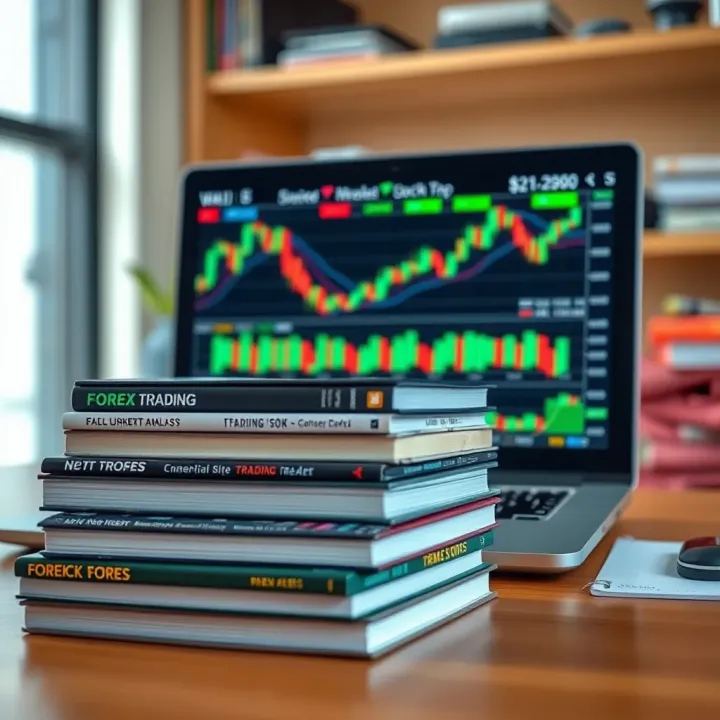
Starting with the right books can make all the difference for any new forex trader, especially in Pakistan where market nuances matter a lot. Beginner-focused books help build a solid groundwork, covering core concepts that are crucial before diving into live trading. They explain the basics clearly, so you’re not left guessing over complex jargon.
Currency pairs and quotes form the backbone of forex trading. Beginner books often start by explaining how currencies are traded in pairs—like USD/PKR, EUR/USD—and what the bid and ask prices mean. For instance, knowing that USD/PKR 280.00 means one US dollar costs Rs 280 in Pakistani rupees is essential for trades. Such knowledge helps you spot opportunities and understand the spread — the difference between buy and sell prices — which impacts your profits. Practical examples in books guide you to read live charts without confusion.
Next, understanding trading sessions and market hours matters greatly. Forex operates continuously, but sessions in London, New York, Tokyo, and Sydney each bring unique volatility and volume levels. Beginner books detail these trading hours and explain why the overlap between London and New York sessions often offers the best trading chances. Pakistani traders can plan their activities based on these sessions to avoid trading when the market is too quiet or too erratic due to low liquidity, helping manage risk better.
Controlling emotions in trading is a topic many beginners overlook until they face real losses. Books in this area teach how fear and greed can cloud judgment, causing rash decisions like over-leveraging or abandoning strategies mid-trade. Practical advice includes keeping calm, sticking to stop losses, and treating losses as part of the game. For example, recognising the urge to revenge trade after a loss and resisting it can protect your capital.
A well-crafted trading plan is another key topic covered in beginner books. It outlines entry and exit rules, risk limits, and money management strategies. Books guide you to create a personalised plan based on your capital and risk appetite. Say you decide to risk only 1% of your trading capital on any trade; a trading plan helps enforce this discipline. Most successful traders in Pakistan and worldwide follow plans strictly rather than relying on guesswork.
Beginners should focus first on these foundations before jumping into indicators or strategies. The right books simplify complex topics and equip you to trade confidently in the forex market.
Advanced forex trading books offer practical ways for traders to deepen their understanding and sharpen their skills beyond the basics. These resources focus on more complex topics like technical analysis, chart patterns, risk management, and position sizing. For Pakistani traders who already grasp the fundamentals, these books can guide applying sophisticated techniques to real market situations, such as handling volatility during political events or currency fluctuations like the PKR to USD rate.
Technical indicators such as moving averages, RSI (Relative Strength Index), and MACD (Moving Average Convergence Divergence) help traders identify potential entry and exit points by quantifying market behaviour. For instance, a trader might use a 50-day and 200-day moving average crossover to spot trend changes in the USD/PKR pair. These tools reduce guesswork, allowing decisions based on measurable data.
Beyond indicators, drawing tools like trendlines and Fibonacci retracements add context to price action, helping spot support and resistance levels. Advanced books teach how to combine these tools effectively rather than relying on a single signal, crucial for avoiding false moves in volatile markets like Pakistan’s during election seasons or economic announcements.
Successful trading depends heavily on recognising when a trend starts or ends. Books covering chart patterns explain formations such as head and shoulders, double tops, and flags, which often signal a reversal or continuation. For example, identifying a double top in the EUR/USD chart might warn a trader of an upcoming downtrend.
Learning to read candlestick patterns is also vital. Patterns like Dojis and Engulfing candles provide insight into market sentiment shifts. This knowledge helps Pakistani traders avoid entering trades too late or holding on too long, which can lead to losses especially during times of unexpected market shocks.
Advanced literature emphasises controlling losses through stop-loss orders and risk/reward assessments. For example, setting a stop loss at 1% of your total capital on each trade limits damage if the market moves against you. This discipline is particularly relevant in forex, where leverage can magnify losses quickly.
Effective loss management prevents a few bad trades from wiping out your entire trading account. Many Pakistani traders jump in without a clear plan, risking large portions of capital, especially when eager to profit during rupee depreciation. Advanced books teach techniques like scaling out of losing positions or hedging, providing a safety net.
Position sizing is equally important for boosting returns without unnecessary risk. By adjusting trade size based on confidence level, volatility, and account size, traders can capitalise on strong setups without overexposure.
Learning to trail stop losses to lock in profits while letting winning trades run is another key strategy. For instance, a trader might secure gains on a rising USD/PKR trade by moving stops closer as the price advances, avoiding the common mistake of exiting trades too early. These tactics are often covered in advanced forex books, helping Pakistani investors structure trades that balance profit potential with risk control.
Understanding and applying advanced trading strategies is what separates casual traders from professionals. The right books equip you with detailed frameworks to navigate complex market conditions confidently.
Getting familiar with these concepts through trusted forex literature prepares you for real-world challenges, making your trading more systematic and less guesswork-driven.
Choosing forex trading books that suit your needs saves time and makes learning more effective. Not every book fits all levels or trading styles, so knowing how to pick the right ones helps you focus on material that will genuinely improve your skills. Pakistani investors especially benefit from selecting books relevant to local market conditions and trading platforms.
Before buying a forex book, evaluate how much you already know about trading. Beginners should start with books covering basics like currency pairs and trading hours, while experienced traders may look for advanced technical analysis or risk management guides. For example, a new trader confused about how currency quotes work will struggle with an advanced book on chart patterns. Conversely, an experienced trader won’t benefit much from very simple explanations. Being honest about your knowledge saves you from reading irrelevant material and frustration.
Checking book reviews and the author’s background helps ensure you invest in trustworthy resources. Look for reviews from other Pakistani traders or credible trading communities who mention how practical and relevant the book is. Authors with professional trading experience or those well-known in the forex industry tend to offer valuable insights. For instance, books by authors like Kathy Lien or Brian Dolan, known for their focused forex expertise, are often praised for giving clear and realistic advice. Avoid books with vague endorsements or authors lacking transparent credentials.
Good forex trading books strike a balance between explaining theory and offering actionable strategies. Theory builds your foundation, but practical advice helps you apply what you learn in real market situations. Pakistani traders should prioritise books that include examples reflecting local conditions or mention trading platforms popular in Pakistan, such as MetaTrader or local Binance regulations. Also, books featuring exercises or case studies improve understanding better than purely academic texts. For example, a book might explain risk-reward ratios theoretically, then guide you through setting stop losses on your own trades.
Selecting the right forex books tailored to your experience and goals speeds up your learning curve and helps avoid costly mistakes in Pakistan’s volatile market.
In summary, assess your level honestly, check author credibility, and choose books that combine solid theory with hands-on guidance. This way, you build knowledge steadily while refining your trading skills effectively.
Books provide a solid foundation for understanding forex trading, but applying that knowledge practically is what yields results. For Pakistani investors, merging book learning with real market experience can sharpen skills effectively, especially given the dynamic nature of currency markets influenced by local and global events.
Reading about forex strategies without testing them can stall progress. That's why practising in real market conditions, even with a demo account, matters. For instance, a trader studying ‘Technical Analysis’ can apply chart patterns and indicators on live data to see how price movements unfold. By testing setups in hours when the market is active, such as the London or New York sessions, traders observe real-time volatility and refine decision-making. Association with local brokerages like PSX-listed firms also helps understand trading platforms available to Pakistani investors.
Maintaining a detailed trading journal is crucial for learning from both wins and losses. Recording entry and exit points, trade setups, emotional state, and reasons for each trade uncovers patterns over time. A trader noticing consistent missed targets during PKR/USD volatility, for instance, can adjust strategy or timing accordingly. Over weeks, this habit uncovers hidden habits impacting performance, helping traders take responsibility and fine-tune tactics with clarity.
A trading journal is as important as the trades themselves—it provides a feedback loop that books alone can't offer.
Forex markets evolve with shifting economic policies, geopolitical events, and technological innovations, so staying updated is vital. Pakistani investors should revisit new editions of relevant books and follow updates from credible sources like SBP announcements or global market reports. For example, revisions in SBP’s monetary policy influence PKR currency strength, impacting forex trades directly. Similarly, new trading tools or mobile apps introduced by local fintech players add convenience but require familiarisation. Continuous learning prevents strategies from becoming obsolete, making traders adaptable and resilient.
In short, reading forex books is the starting line. Combining this knowledge with real-market practice, disciplined journalling, and constant updates turns a novice into a confident trader equipped to tackle Pakistan's distinctive forex landscape.
🔍 Find the best forex trading platform for Pakistani traders! Compare features, costs, security, and regulations to trade smart and safe in Pakistan's market.
Find the best forex trading apps in Pakistan 📊. Compare features, safety, regulations, and payment options to pick the perfect platform for your needs.
Explore top forex trading apps 📱, discover smart tools 🛠️, ensure security 🔒, and get tips for beginners and pros in Pakistan's forex market 🌍.
Learn how to pick the best Forex trading indicators 📈 for your strategy. Discover types, popular options & tips to improve your market moves.
Based on 14 reviews