

Apps for Forex Trading: Key Features and Tips
Explore top forex trading apps 📱, discover smart tools 🛠️, ensure security 🔒, and get tips for beginners and pros in Pakistan's forex market 🌍.
Edited By
Oliver Mitchell
Forex trading runs round the clock due to its global nature, but knowing the exact hours when the market is most active can make a big difference, especially for traders in Pakistan. The forex market operates through several key sessions based in major financial hubs: Sydney, Tokyo, London, and New York. Each session has its own distinct trading hours, driven by time zone differences and market activity.
For Pakistani traders, timing is crucial because the local time zone (PKT, UTC+5) doesn't always line up neatly with those market hours. For example, the London session opens at 3:30 pm PKT and closes at 12:30 am PKT, while the New York session runs from 8:30 pm to 5:30 am PKT. This means traders often work during evening or night hours to tap into the most liquid markets.
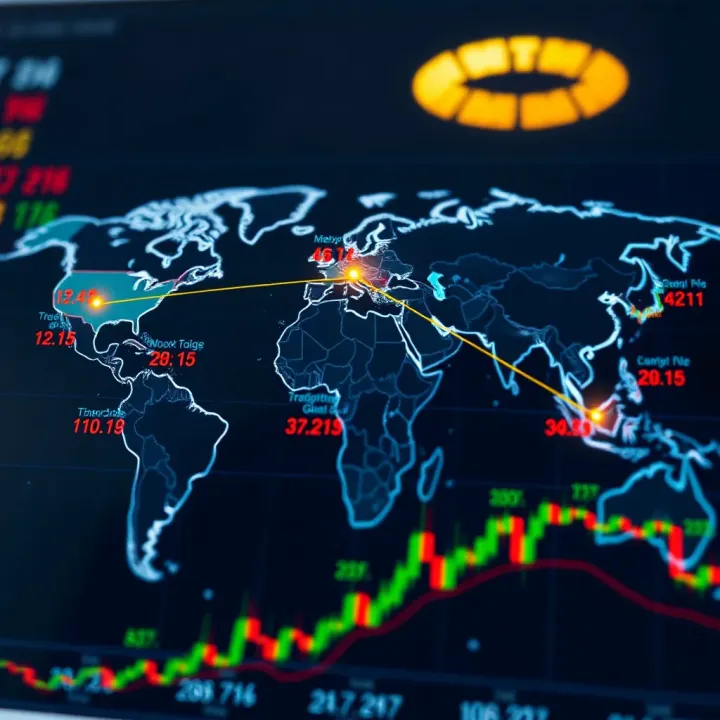
Peak market hours usually occur when two major sessions overlap. The London-New York overlap (8:30 pm to 12:30 am PKT) is particularly important, offering high liquidity and volatility that can increase profit opportunities but also risks.
Understanding these sessions helps you prepare better trading strategies. For instance:
Sydney session (4:00 am to 1:00 pm PKT): Generally quieter, ideal for beginners to observe price movements without too much volatility.
Tokyo session (6:00 am to 3:00 pm PKT): More active, especially with yen pairs like USD/JPY.
London session (3:30 pm to 12:30 am PKT): Most volatile, covers major European and Middle Eastern markets.
New York session (8:30 pm to 5:30 am PKT): Strong moves in USD pairs, overlaps with London session.
Traders must also consider local factors like internet reliability and loadshedding, which can affect trading during these hours. Planning trades around the most active sessions can boost your chances of success by taking advantage of higher liquidity and tighter spreads.
In short, knowing when the forex market opens and closes is the first step toward trading smart in Pakistan's context. Align your schedule with active periods, monitor session overlaps, and adapt your strategy according to market behaviour to improve outcomes.
Understanding forex trading hours is vital for anyone serious about trading currencies. The forex market doesn't sleep like local share markets; it runs almost 24 hours due to the global nature of currency exchanges. For Pakistani traders, knowing when markets open and close, and how trading volumes shift during the day, can make the difference between making a profit or facing unexpected risks.
The forex market operates 24 hours a day primarily because it spans different time zones across the world. Unlike stock exchanges which have fixed opening and closing hours, the forex market follows the sun as it moves through various financial hubs. This continuous cycle means you can trade currencies virtually any time, but with varying levels of activity and price movement.
Trading is conducted through several major financial centres located around the globe. Cities like London, New York, Tokyo, and Sydney act as key hubs where most currency trading happens. Each centre opens and closes in accordance with local business hours, creating a rolling wave of market activity.
For instance, in Pakistan Standard Time (PKT), the forex market officially opens on Sunday evening and closes on Friday evening. This schedule aligns with international working days and means traders in Pakistan can only trade during these six days. The market closes at the weekend for maintenance and resets.
Time zone differences are the backbone of why forex operates 24/5. For example, the London market opens around 3:30 pm PKT and closes 12:30 am PKT, while New York opens at 8:30 pm PKT and shuts down 5:00 am PKT. Tokyo operates roughly between 6:00 am and 3:00 pm PKT. Such shifts mean trading activity spikes at different hours.
This staggered timing impacts trading volumes in a big way. Generally, trading volume is highest when two sessions overlap, say London and New York, leading to greater liquidity and tighter spreads. Conversely, during off-hours like late night in Pakistan, the market is slower, which might increase risks for traders due to thinner liquidity.
Pakistani traders often adjust their schedules to fit these market times. Many prefer trading during the European and American hours, even if it means staying up late or setting alerts to capture sudden market moves. Using technology such as mobile trading apps from brokers like Forex.com, IQ Option, or local operators supports monitoring markets remotely, which helps balance trading with daily life.
Being aware of global market hours allows you to spot the most opportune windows for trading and manage risks better, especially considering how time differences influence volatility and liquidity.
Overall, mastering forex trading hours enables Pakistani traders to plan strategies according to when the market is most active, reducing guesswork and enhancing decision-making.
Understanding the major forex trading sessions helps Pakistani traders plan their activity and manage risk more effectively. Each session reflects key global financial centres' operating hours, influencing liquidity, market behaviour, and volatility. Grasping their specific traits allows traders to make better decisions about when to enter or exit trades based on expected market dynamics.
The Asian trading session runs approximately from 5:00 pm to 2:00 am Pakistan Standard Time (PKT). This session kicks off the forex market week on Sunday evening PKT and includes trading through to early morning hours during the week. For a Pakistani trader, this means opportunities to engage in the market after work hours or even during late-night hours depending on individual schedules.
Key financial centres active during the Asian session include Tokyo, Singapore, Hong Kong, and Sydney. While Sydney technically starts slightly earlier, Tokyo leads the market activity. These centres bring particular focus on the Japanese yen (JPY), Australian dollar (AUD), and New Zealand dollar (NZD). Traders often watch for regional economic announcements from Japan and Australia that can influence currency values.
Liquidity during the Asian session tends to be lower than in European or American sessions but still significant enough, particularly in JPY and AUD pairs. Volatility is usually moderate, offering opportunities for steady moves rather than sharp spikes. For example, traders might find the AUD/JPY pair showing more predictable trends during these hours, suitable for swing trading or cautious day trades.
The European session runs roughly from 11:00 am to 8:00 pm PKT. This window aligns with the business hours of financial hubs like London and Frankfurt, key players in the forex market. For Pakistani traders, this session fits well into the daytime hours, allowing active market participation without disrupting daily routines.
London is arguably the most important market during this session, handling nearly 30% of total daily forex volume. Frankfurt also contributes significantly, especially in euro (EUR) pairs. This session sees a surge in trading activity as London overlaps with other centres, enhancing liquidity.
Consequently, trading volume spikes, leading to more price movements and increased volatility. This makes the European session attractive for traders looking for strong trends or breakout opportunities in major currency pairs like EUR/USD, GBP/USD, and USD/CHF. For instance, a trader monitoring the EUR/USD often finds the most profitable moves during this time due to high liquidity and market responsiveness.
Operating approximately from 4:00 pm to 1:00 am PKT, the American session corresponds to New York market hours. Pakistani traders accessing the market in the evening and night see the bulk of American session activity, which often overlaps with the European session for a few hours, amplifying market action.
The New York market significantly influences currency pairs linked to the US dollar (USD), including USD/JPY, USD/CAD, and USD/MXN. Market dynamics tend to shift with US economic releases, Federal Reserve announcements, or political news during this session, prompting noticeable price swings.
Volatility peaks during this session, especially around the overlap with the European session and key US data releases. Traders looking for scalping or short-term strategies may benefit from these rapid moves. For example, the USD/CAD pair often experiences strong price fluctuations during North American economic announcements, making it a favourite among active traders seeking quick profits.
The choice of trading session affects liquidity, volatility, and currency pairs in focus. Knowing when each session runs helps you plan trades that suit your risk tolerance and lifestyle.
By understanding these sessions, Pakistani traders can tailor their strategies to match market behaviour at different times, balancing work life with Forex opportunities effectively.
Session overlaps in forex trading refer to the periods when two major market sessions operate simultaneously. These overlaps typically result in increased market liquidity and trading activity, as traders from different regions interact, leading to tighter spreads and improved price discovery. For Pakistani traders, understanding these overlaps is useful when planning trades to maximise potential opportunities and manage risk effectively.
The overlap between the Asian and European sessions occurs around 12 pm to 3 pm Pakistan Standard Time (PKT). During this time, liquidity tends to rise as European traders enter the market while Asian participants are still active. This influx of buyers and sellers reduces bid-ask spreads, making it a favourable period for executing trades with minimal transaction costs.
Currency pairs involving the Japanese yen (JPY), British pound (GBP), and euro (EUR) usually see more volatility and volume during this overlap. For example, GBP/JPY and EUR/JPY often experience sharper price movements, presenting day traders with opportunities in breakouts or retracements at this hour. Pakistani traders focusing on these pairs should plan to be active during the midday window to leverage the liquidity surge.
The European and American session overlap, from about 5:30 pm to 9 pm PKT, is known for its high volatility and large trading volumes. This overlap includes active markets in London and New York, two forex hubs that control a big chunk of daily trading. As a result, currency pairs involving the US dollar (USD), euro (EUR), and GBP experience intense price swings and rapid trend formations.
This period is popular for major currency movements—especially USD/EUR, GBP/USD, and USD/JPY. For instance, economic announcements from the US or Europe often fall within these hours, amplifying market reactions. Traders can benefit from this volatility by entering and exiting positions based on short-term news or technical signals.
Pakistani traders can gain by aligning their trading schedules with this session overlap. Using mobile trading apps like JazzCash's or standard platforms with push notifications allows them to monitor market shifts even when not at a desktop. Additionally, focusing on this high-liquidity period helps manage the spread costs while booking profits on rapid movements. However, risk management is critical since swift price jumps can also bring losses if stop losses are ignored.
Understanding session overlaps equips you to exploit times when the market offers more liquidity and price action, especially important in fast-moving forex markets. For Pakistani traders balancing daytime responsibilities, knowing when overlaps occur helps in planning trades and minimising exposure to unfavourable hours.
Timing your trades in the forex market makes all the difference, especially for Pakistani traders working with their local schedules and market dynamics. Knowing when to trade helps optimise liquidity access and manage risk better. This section offers practical advice for choosing trading hours tailored to various strategies and fitting forex activities into a typical Pakistani lifestyle.
Day trading involves opening and closing positions within the same trading day, so traders need to target periods of high market activity and quick price movements. For Pakistani traders, this usually means focusing on overlaps between European and American sessions in the evening PKT when liquidity spikes. On the other hand, swing traders hold positions for several days and can afford flexibility. They may prefer trading at times outside peak hours to avoid volatility shocks, focusing on trends developing over days instead.
For example, a day trader in Karachi might plan trades primarily between 4 pm to 12 am PKT, catching both London and New York overlaps. Conversely, a swing trader could start a position when volatility eases, perhaps during the Asian session, then hold it through until the European session picks up.
Scalpers aim to profit from small price movements and require very high liquidity to enter and exit promptly without significant spreads. The European and American session overlap, roughly from 4 pm to 8 pm PKT, offer Pakistani traders the best scalping environment. This window features narrow bid-ask spreads and active price fluctuations, which are essential for scalp trades.
Trying to scalp during less active hours like the late Asian session often leads to slippage and less predictable spreads, which can quickly wipe out profits. For instance, a Karachi-based scalper will find the 4-8 pm PKT slot notably better for fast trades in GBP/USD or EUR/USD pairs.
Low liquidity periods tend to occur when major markets are closed, often the late-night Asian session or early morning hours in Pakistan. During these times, prices can become erratic with wider spreads and unexpected gaps.
Pakistani traders should be cautious when trading around these hours because low volumes can increase risk and reduce trade execution quality. For example, entering trades around 2 am PKT might tempt some due to less competition, but sudden price swings can trigger stop losses too often.
Effective risk management includes avoiding large positions during low-volume windows and keeping stop losses tighter to prevent outsized losses.
Many Pakistani traders juggle forex with jobs or studies, so choosing trading times that align with their daily routine is essential. Evening hours, coinciding with the European and American sessions, often suit those who work 9-5 jobs and can trade after office.
For night owl traders, the Asian session starting at 5 pm PKT offers opportunities without sacrificing sleep or daytime commitments. It’s important to avoid trading during hectic hours or when focus might wane due to household duties or other distractions.
Tools like smartphone trading apps (for example, those from local brokers supporting JazzCash payments) enable Pakistani traders to monitor and execute trades on the go. Alerts for price movements or news events mean less time glued to a screen.
Remote monitoring also helps during market overlaps when quick decisions matter. For example, a trader in Lahore might receive a price alert on their Easypaisa-linked trading app and react swiftly even while outside.
Countries like the US and parts of Europe shift clocks, affecting session start and end times relative to Pakistan Standard Time (PKT). Pakistani traders must adjust their trading schedule accordingly, especially during spring and autumn.
Setting reminders or using forex trading platforms that auto-adjust for daylight saving ensures you don’t miss crucial market openings or overlaps. Neglecting these changes can cause missed opportunities or entering trades at wrong times, decreasing profitability.
Being aware of these subtle timing shifts helps Pakistani traders maintain consistent strategies aligned with global market rhythms.
Major holidays in key financial centres like London, New York, and Tokyo often slow down forex market activity. For example, during Christmas or New Year's Day, these hubs see reduced trading volumes because banks and financial institutions shut down. This downtime impacts global forex liquidity since lower participation leads to thinner markets.
The expected drop in trading activity during such holidays can cause wider spreads and irregular price movements. Traders working from Pakistan should anticipate less predictable behaviour and avoid scheduling high-risk trades around these dates. For instance, trading GBP/USD during London’s bank holidays might not offer the usual price action, affecting strategy performance.
Precautions for trading around holidays include reducing position sizes and avoiding entering new trades just before the start of a major holiday. Some traders prefer to close existing positions to escape unexpected gaps when markets reopen after holidays. Pakistani traders need to watch for such periods, as volatility might spike unpredictably when markets resume.
Scheduled economic releases, like the US Non-Farm Payroll (NFP) or UK inflation data, play a noticeable role in forex trading sessions. These announcements are often timed to suit the home country’s business hours, impacting sessions differently across time zones. A key example is the NFP report released in the American session, which frequently causes sharp moves in USD pairs.
Timing trades around these announcements is crucial. Shortsighted traders might get caught in sudden spikes or slumps if they don’t plan exits or entries with care. Many Pakistani traders keep watch over economic calendars to prepare for such news, sometimes choosing to avoid trading during those volatile minutes.
Using economic calendar tools helps traders remain aware of upcoming news and their expected impact. Reliable platforms provide timing, previous figures, and market forecasts which assist in planning trades more confidently. For Pakistani traders juggling daily routines, alerts from these calendars allow them to monitor the market efficiently, even remotely.
Watching public holidays and economic releases closely can save your capital and enhance trading outcomes by adjusting trades to the market’s rhythm.
By understanding when liquidity dips due to holidays or volatility spikes from announcements, you can better time your trades to suit Pakistan’s local timings and lifestyle demands.
Explore top forex trading apps 📱, discover smart tools 🛠️, ensure security 🔒, and get tips for beginners and pros in Pakistan's forex market 🌍.
Learn how to pick the best Forex trading indicators 📈 for your strategy. Discover types, popular options & tips to improve your market moves.

📊 Explore top trading apps worldwide with a focus on Pakistan. Compare fees, security, tools, and support to find the best option for your trading needs.
🔍 Find the best forex trading platform for Pakistani traders! Compare features, costs, security, and regulations to trade smart and safe in Pakistan's market.
Based on 14 reviews