
Best Forex Trading Platforms for Pakistani Traders
🔍 Find the best forex trading platform for Pakistani traders! Compare features, costs, security, and regulations to trade smart and safe in Pakistan's market.
Edited By
Ethan Price
Karachi has become a hotspot for forex trading enthusiasts looking to improve their skills through formal courses. Given the unpredictable nature of the forex market and Pakistan's unique financial climate, getting the right education is more than just beneficial—it’s necessary. This guide focuses on what you need to consider before enrolling in a forex trading course in Karachi.
Forex trading courses vary in terms of curriculum, duration, cost, and practical experience. Some institutions focus on technical analysis, while others emphasise fundamentals like economic indicators or risk management. Choosing a course with hands-on training, including live trading simulations, can make a notable difference for learners who want to get real market exposure before investing their capital.
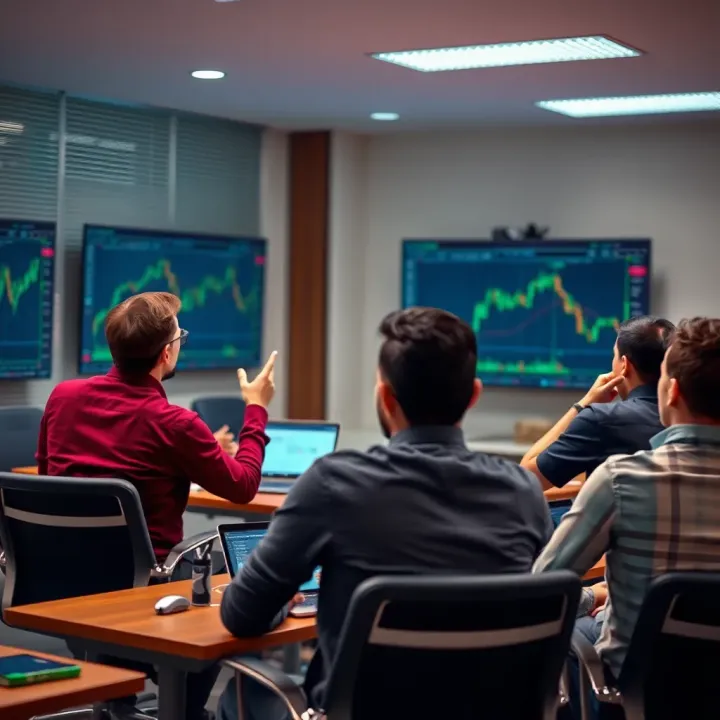
Costs for these courses in Karachi typically range from Rs 10,000 to Rs 50,000, depending on the depth of content, the reputation of the provider, and additional benefits like one-on-one mentorship or access to trading platforms. It’s wise to compare what is included carefully since a more expensive course doesn’t always guarantee better quality.
Experienced traders and financial analysts often advise prioritising courses that cover both theory and application. For example, programmes offered by local financial institutions or certified training centres tend to provide relevant insights specifically tailored to the Pakistani market environment, including currency pairs most traded here like PKR/USD.
Proper education in forex trading helps you navigate the market’s inherent risks, manage your investments wisely, and improve your chances of consistent profits.
When assessing forex trading courses, consider the following key points:
Course syllabus and topics covered (e.g., charting tools, trading psychology, risk management)
Experience and background of instructors
Availability of practical sessions or live practice opportunities
Student reviews and testimonials
Accessibility in terms of location and timing
Understanding these factors upfront will help you pick a course that fits your goals and budget. Stay mindful that earning through forex requires patience and proper knowledge—courses that offer ongoing support and regular updates on market changes tend to bring more value.
With careful selection, mastering forex trading in Karachi is achievable through well-structured training that equips you to work confidently in evolving markets.
Understanding forex trading is a must for anyone interested in Pakistan's financial markets, especially in Karachi, the country’s economic hub. This section explains forex trading basics and why it’s gaining traction here.
Forex trading involves buying and selling currencies to profit from their fluctuating values. Unlike stocks, forex operates 24 hours, offering more flexibility. Traders speculate on pairs like USD/PKR, EUR/USD, or GBP/PKR, aiming to buy low and sell high—or vice versa. For example, a Karachi-based trader buying USD against PKR anticipates rupee depreciation to make a profit.
This market requires understanding exchange rates affected by international trade, political stability, and economic policies. Forex offers high liquidity and leverage but carries significant risks, demanding skill and knowledge. This is why specialised forex courses attract those wanting to enter trading responsibly.
Karachi’s status as the financial capital of Pakistan attracts many to forex trading. There are a few key reasons for its rising appeal:
Economic Volatility: Frequent changes in PKR value make forex trading tempting for those wanting to capitalise on currency swings.
Digital Access: With fast internet and smartphones widely available, more people can trade from home using local brokers or international platforms.
Financial Awareness: Increased exposure to global markets through news and social media motivates investors to diversify beyond traditional avenues like real estate or stock exchange shares.
Accessible Training: The rise of forex trading courses in Karachi provides structured learning paths, helping reduce typical beginner mistakes.
Traders in Karachi often balance forex alongside remittances, imports, and exports. A middle-class professional or student looking to earn extra income without leaving home may find forex an attractive option given its accessibility and potential returns.
Karachi offers a unique environment for forex trading due to its blend of economic activity and digital connectivity. Yet, without proper education, many fall prey to losses, which is why understanding the basics and local context matters.
In the next sections, this guide will cover essential course topics, how to choose the right course, and practical tips to succeed in forex trading specifically tailored to Karachi’s market.
Forex trading courses in Karachi often focus on three critical areas: fundamental and technical analysis, forex market mechanics along with trading platforms, and risk management coupled with trading psychology. Understanding these components thoroughly equips traders to make informed decisions and manage their investments wisely.
Fundamental analysis helps traders evaluate currency values based on economic indicators, such as Pakistan's current account balance, inflation rate, or political stability. For example, a trader might observe how SBP's interest rates influence the PKR's strength. Technical analysis, on the other hand, involves reading price charts and applying indicators like RSI or moving averages to spot trends and reversal points. Many Karachi courses emphasise combining these approaches, helping traders predict market movements more effectively rather than relying on luck.
Understanding how the forex market operates is essential. This topic covers elements such as market hours, currency pairs, bid-ask spreads, and leverage options. Karachi-based courses often provide hands-on practice with popular platforms like MetaTrader 4 or 5, giving students the chance to familiarise themselves with order types, chart tools, and execution speeds. Knowing the market’s structure and the technical use of platforms increases confidence, reducing costly blunders during live trading.
Risk management strategies are vital for preserving capital in the volatile forex market. Courses teach how to set stop-loss orders, position sizing, and limit exposure per trade. For instance, traders learn not to risk more than two per cent of their capital on a single trade, which is a standard practice worldwide. Besides technical skills, psychological factors such as controlling emotions, avoiding overtrading, and sticking to a plan receive focus. Karachi traders especially face challenges due to market news unpredictability and local economic factors, so mastering trading psychology prevents rash decisions and burnout.
A well-structured forex course addresses these elements in practice, not just theory. Without solid knowledge of analysis, market mechanics, and emotional control, even experienced traders risk losing their investments.
Traders in Karachi should prioritise courses that combine these essential topics with local market insight and real-time practice. This approach prepares them better for the uncertainties in the forex market while building sustainable trading habits.
Selecting the right forex trading course in Karachi matters a lot for anyone serious about entering the currency market. With many options available, a poor choice might lead to wasted time, money, and effort, while the right course can build solid foundations and speed up your learning curve. For Karachi traders, it’s especially important to consider courses tailored to local market conditions and the regulatory environment in Pakistan.
Start by checking the reputation of the institute or trainer offering the course. A good provider usually has verified testimonials, a history of successful students, or formal accreditation. For example, some Karachi-based centres work in partnership with recognised global forex educators or industry bodies, adding credibility. Also, trainers with real trading experience demonstrate more practical knowledge than those who only teach theory. You might spot this difference during initial consultations or trial classes.
Choosing courses from reputed providers like the Karachi Stock Exchange training wing or established financial education firms adds an extra layer of trust. This reduces the risk of running into scams or incomplete materials common in unregulated online offers.
Forex trading requires hands-on practice, so focus on courses that include demo trading sessions or live market analysis. Many institutes now offer hybrid formats combining in-person and online lessons, which is great for Karachi’s busy professionals. For example, a course might include weekly classroom sessions plus access to an online portal where you can practice using real-time data with a demo account.
Look for practical training software that mimics popular platforms like MetaTrader 4 or 5, which are widely used by Pakistani traders. Without this exposure, your trading knowledge risks staying too theoretical. A program offering assignments, market simulations, or mentor support tends to prepare you better for real trading challenges.
Forex courses in Karachi vary widely in price, from Rs 10,000 for a basic online overview to over Rs 1 lakh for comprehensive packages with one-on-one coaching. Rather than choosing based solely on cost, weigh how much practical material, expert time, and post-course support you receive.
For instance, a costly course without demo trading or market update sessions might not be worth it compared to a moderately priced one that includes these features. Also, check if the fees cover additional resources such as reading material, software access, or updated modules.
Always consider a course’s return on investment, focusing on learning quality and applicability that can improve your trading results in Karachi’s forex market.
Taking time to assess the provider’s reputation, the course format, and the fee structure helps you avoid common pitfalls and gears you for a better trading journey ahead.
Karachi remains the financial hub of Pakistan, so it’s no surprise that the city offers various strong options for learning forex trading. Understanding the local landscape of institutes and platforms can help traders pick the right education suited to their style and budget.
Karachi hosts several forex training centres that provide in-person courses, offering hands-on experience and direct interaction with seasoned professionals. Institutes such as ForexTime Learning Centre and TradeCraft Academy are known for their focus on practical skills alongside theory. These centres often provide tailored sessions for beginners and advanced traders, usually covering market analysis, risk control, and platform navigation.
One key advantage of local centres is immediate feedback in live classroom settings, which helps students correct mistakes quickly. For instance, TradeCraft Academy offers live trading sessions where students observe and practise strategies under expert guidance. However, these courses may be pricier, sometimes costing upwards of Rs 50,000, but they often bundle mentorship or follow-up support.
Besides price and teaching style, location accessibility is crucial. Institutes located in areas like Clifton and Saddar offer easy commuting options for most Karachi residents. Visiting a few institutes before enrolling will give you a better idea about the environment and interaction quality.
Online forex courses have grown popular due to their flexibility and often reasonable fees. Platforms like Udemy, Coursera, and local services such as ForexTime Pakistan offer courses that Karachi traders can access anywhere with an internet connection. These platforms provide a wide range of content—from beginners’ quick-start guides to detailed modules on algorithmic trading.
Online courses give you the freedom to learn at your own pace, pause and revisit lessons, and balance trading education with other commitments like jobs or studies. Many platforms also include community forums or live webinars, which let learners engage with instructors and peers worldwide.
That said, online study requires discipline and self-motivation since you don’t get the immediate clarification a classroom provides. It helps to complement online lessons with demo accounts or local trader meetups to practice skills actively and stay motivated. Check if the course provides certificates recognised by known financial or educational bodies, which can be valuable if you plan to join brokerage firms.
Whether you choose a local institute or an online platform, make sure it aligns with your learning style, budget, and trading goals. Practical exposure and continuous learning beyond courses remain key to success in forex trading.
In Karachi’s dynamic forex market, having access to quality education through reliable institutes or platforms equips you better to navigate risks and seize trading opportunities confidently.
Completing a forex trading course is only the beginning. Successful trading in Karachi’s lively forex market requires practical application of learned concepts and ongoing discipline. Taking action based on knowledge helps traders avoid costly mistakes, manage risks, and capitalise on market opportunities effectively.
Creating a solid trading plan is essential to maintain consistency and control emotions while trading. This plan should include entry and exit strategies, risk tolerance levels, and the criteria for selecting currency pairs. For instance, a trader might decide to trade only when the Relative Strength Index (RSI) indicates oversold or overbought conditions, combining this with news analysis related to the Pakistan rupee.
Before risking real money, practising on demo accounts is a practical step. Demo platforms offered by brokers like FXTM or OctaFX allow traders to simulate live trading without financial risk. This practice helps in familiarising oneself with trading platforms, testing strategies, and understanding how market fluctuations impact positions. A disciplined approach to demo trading can build confidence and sharpen decision-making.
Forex markets react swiftly to economic and political developments, making it vital to track relevant updates regularly. Following local financial news from sources like Business Recorder or Dawn Business can offer insight into rupee trends, SBP interest rate decisions, or fiscal policy changes influencing currency strength.
Additionally, awareness of regulatory updates from Pakistan’s Securities and Exchange Commission (SECP) or the State Bank of Pakistan (SBP) ensures traders comply with legal requirements. For example, changes in margin requirements or restrictions on leverage can significantly impact trading strategies. Staying informed helps traders avoid penalties and adapt their plans accordingly.
Practical success in forex trading in Karachi depends largely on disciplined implementation of strategies, continuous learning, and awareness of market conditions.
By focusing on these practical steps after completing a forex course, traders can improve their chances of sustainable profitability in Pakistan’s forex market.
🔍 Find the best forex trading platform for Pakistani traders! Compare features, costs, security, and regulations to trade smart and safe in Pakistan's market.
Find the best forex trading apps in Pakistan 📊. Compare features, safety, regulations, and payment options to pick the perfect platform for your needs.

Explore top forex trading apps 📱, discover smart tools 🛠️, ensure security 🔒, and get tips for beginners and pros in Pakistan's forex market 🌍.
Learn how to pick the best Forex trading indicators 📈 for your strategy. Discover types, popular options & tips to improve your market moves.
Based on 15 reviews