

Benefits of Risk Management for Businesses
Discover how risk management boosts business decision-making, financial strength, compliance, and reputation for steady growth 📈🔍💼
Edited By
James Thornton
Businesses face risks from several angles. For instance, a sudden rupee devaluation or a new government regulation can hit financial stability. Meanwhile, operational risks like loadshedding interruptions or supply chain delays can disrupt day-to-day activities. Identifying these risks early allows companies to plan responses effectively.
Risk management is not a one-size-fits-all process. It has distinct categories, each focusing on specific threats:
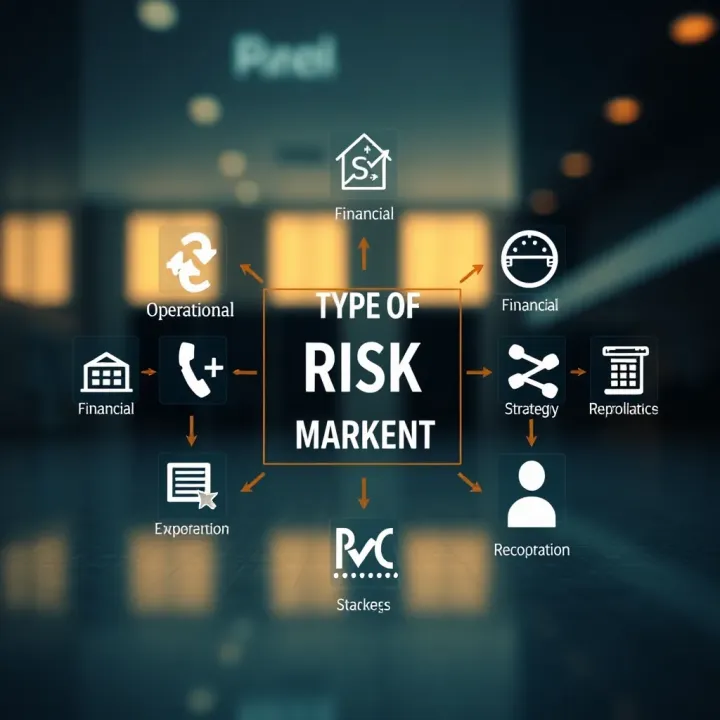
Financial Risk Management: This targets risks related to money, such as currency fluctuations, credit defaults, or market volatility. Pakistani investors dealing in PSX shares need to watch SBP policies, inflation, and other financial indicators closely.
Operational Risk Management: Focusing on internal processes and systems, this type looks out for failures in machinery, IT breakdowns, or human errors. For example, a manufacturing company in Faisalabad might suffer if its production halts due to frequent power cuts.
Strategic Risk Management: This handles risks from poor business choices or changing market conditions. If a textile exporter fails to diversify markets, it risks heavy losses when export tariffs rise in key destinations.
Compliance Risk Management: Ensures the business follows laws and regulations, especially tax rules from FBR or import-export requirements. Non-compliance can lead to fines or legal issues, affecting company reputation and operations.
Reputational Risk Management: Protects against damage to a company’s image, which could be triggered by product failures, social media backlash, or unethical behaviour. A bad review on social platforms can quickly spread and harm sales.
Proper risk management acts like a safety net, catching problems before they snowball. It helps secure a company’s future and builds trust among investors and customers.
Understanding these types gives you a clearer picture of where threats can appear and how to prepare. This knowledge is crucial for Pakistan’s complex business environment, where political, economic, and social factors often intertwine.
Having said that, the next sections will break down each type with examples relevant to Pakistani businesses, helping you apply risk management practically and effectively.
Risk management is the backbone of any business aiming to avoid unexpected shocks and losses. For traders, investors, and financial analysts in Pakistan, understanding risk management means knowing how to identify potential threats and take steps to control them before they become costly problems. The purpose is simple: protect your capital and ensure steady growth.
Risk management covers a range of activities designed to spot, assess, and prioritise risks that could affect a business. Its scope includes financial uncertainties, operational hiccups, strategic decisions, legal compliance, and reputational concerns. For instance, a small textile exporter in Faisalabad may face risks from currency fluctuations, supplier delays, or changing trade policies. By recognising these threats early, the business can plan to mitigate them, whether through insurance, contract clauses, or diversifying suppliers.
Keeping a business stable means reducing surprises that could shake confidence or hurt the bottom line. Effective risk management helps organisations build resilience by preparing for setbacks and managing all types of vulnerabilities systematically. When done well, it allows businesses to continue operating smoothly during economic uncertainties or regulatory changes. For example, a Karachi-based investment firm that anticipates market downturns can adjust its portfolios in time to limit losses, ensuring investors’ trust remains intact.
Pakistan’s dynamic business landscape brings unique risks. Loadshedding, political instability, and fluctuating rupee value can all hit businesses unexpectedly. Moreover, rapid regulatory changes and infrastructure bottlenecks add to operational risks. Companies that ignore these factors may face sharp revenue drops or unforeseen costs. For example, a Lahore manufacturing company might suddenly lose production hours due to erratic power supply, impacting delivery schedules and client relationships.
Strict adherence to rules set by authorities like the Federal Board of Revenue (FBR) and Pakistan Telecommunication Authority (PTA) is essential to avoid penalties and legal troubles. Non-compliance with tax filings or licensing requirements can result in fines or business suspensions. Also, environmental and labour laws now demand more attention, especially for export-oriented firms. Staying updated and integrating regulatory requirements into risk management protects businesses from fines and reputational damage, fostering smoother operations in Pakistan’s competitive market.
Risk management isn’t just a safety net but a vital strategy that keeps your business afloat amid Pakistan’s complexities. Whether it’s financial, operational, or legal risks, preparing ahead makes all the difference.
Financial Risk Management focuses on identifying and controlling risks related to an organisation’s money. This is key for traders, investors, financial analysts, and brokers who want to protect capital and ensure smooth cash flow. In Pakistan’s economic climate, where currency fluctuations and market volatility are common, managing financial risk helps businesses avoid sudden losses and make informed decisions.
Market risk arises from changes in market prices, like stock prices, interest rates, or currency exchange rates. For example, a Pakistani exporter selling goods in dollars faces risk when the rupee fluctuates against the dollar. If the rupee strengthens suddenly, the exporter earns less when converting foreign currency back to rupees. Market risk affects investors directly as share prices on the Pakistan Stock Exchange (PSX) can swing due to political developments or global commodity prices.
Credit risk refers to the chance that a borrower or counterparty fails to meet financial obligations. Pakistani banks often assess this risk before giving loans, checking borrower history and income. For businesses, credit risk matters when extending trade credit or dealing with suppliers without upfront payment. A company providing goods on credit to less reliable buyers risks delayed payments or defaults, which impacts cash flow and operations.
Liquidity risk occurs when an organisation cannot easily convert assets to cash without significant loss. For instance, if a broker wants to sell shares during a market downturn but buyers are scarce, they face liquidity risk. Similarly, Pakistani companies might find it tough to pay immediate expenses if their cash reserves are tied up in long-term investments or slow-moving stocks. Managing liquidity ensures day-to-day operations don’t grind to a halt.
Hedging involves using financial instruments like futures, options, or swaps to offset potential losses. For instance, a Pakistani textile exporter might use currency futures to fix the exchange rate for future dollar receipts, insulating themselves from rupee volatility. While hedging carries costs, it offers peace of mind by stabilising expected returns.
Portfolio diversification spreads investments across different assets to reduce overall risk. An investor in Pakistan might hold shares from various sectors like banking, energy, and pharmaceuticals instead of putting all funds in one company. If the energy sector suffers due to policy changes, losses there can be balanced by gains elsewhere. Diversification prevents heavy damage from any single market event.
Credit assessment is the process of evaluating a borrower’s ability to repay loans. Financial institutions in Pakistan use credit scoring, financial statements, and previous repayment records to judge risk. Effective credit assessment avoids bad debts and safeguards the lender’s financial position. Businesses also perform due diligence before entering into contracts to ensure partners or customers are financially sound.
Effective financial risk management allows organisations to anticipate challenges, reduce surprises, and maintain steady financial health, especially in Pakistan’s dynamic business environment.
Operational Risk Management plays a critical role in keeping business functions running smoothly and protecting organisations from unexpected losses. It focuses on everyday process reliability, system robustness, and human behaviour—elements that can easily disrupt operations if overlooked. In Pakistan’s fast-evolving markets, where infrastructure and regulatory frameworks are continually adapting, managing operational risks is especially vital.
Process failures usually stem from breakdowns in routine business workflows. For example, a delay in processing customer payments due to manual errors can ripple through an organisation’s cash flow, affecting liquidity. In Pakistani banks, paper-heavy processes without automation increase the chance of mistakes, while in manufacturing plants, faulty assembly line steps can lead to product defects and customer dissatisfaction.
System errors refer to technical glitches in ICT infrastructure, software, or equipment that support business operations. For instance, a power outage during peak trading hours in Karachi could cause transaction delays if backup servers aren’t properly maintained. Similarly, poorly configured software can produce data inconsistencies that confuse decision-making. Such errors highlight the need for robust IT disaster recovery plans and regular system upgrades.
Human factors remain a significant source of operational risk, as employee error, fraud, or negligence can impact performance and reputation. In Pakistan’s call centres, for example, miscommunication or inadequate training may lead to incorrect customer information or privacy breaches. Also, overloaded or stressed staff during Eid season might overlook essential compliance steps. Addressing these risks involves continuous training and fostering a culture of accountability.
Internal controls act as safeguards against operational failures. These include checks and balances like segregation of duties, approval hierarchies, and reconciliations. A retail chain in Lahore might use internal audits to verify stock inventories and prevent theft or wastage. Whereas financial firms rely on transaction monitoring to detect anomalies that could indicate fraud, ensuring tighter control over operations.
Standard operating procedures (SOPs) provide clear instructions for employees, standardising tasks to reduce errors. For instance, a logistics company in Islamabad might have SOPs detailing every step from order receipt to delivery. SOPs ensure everyone follows the same process, which helps maintain quality even when staff changes or workload increases. They’re especially useful in sectors where compliance with laws and ethics is non-negotiable.
Technology investments improve operational resilience and efficiency. Pakistani businesses increasingly adopt automation and digital tools to cut manual errors. For example, using barcode scanning in warehouses minimizes misplacements and speeds up inventory management. Cloud computing offers scalable storage and remote access, helping firms stay functional during local disruptions like loadshedding. But such investments demand upfront costs and skilled personnel to manage them.
Operational risk management is not just about avoiding losses; it’s about creating dependable systems that keep your business competitive and compliant, especially in Pakistan’s dynamic environment.
Balancing these elements carefully allows organisations to reduce surprises and respond quickly when things go wrong. Effective operational risk management forms the backbone of sustainable growth and trust among stakeholders.
Strategic and compliance risks directly influence a company's long-term success and legal standing. Managing these risks ensures that organisations stay competitive while meeting Pakistan's evolving regulatory demands. They offer practical benefits such as avoiding costly penalties, adapting to market shifts, and protecting corporate reputation.
Market competition plays a central role in shaping strategic risk. Pakistani businesses face many competitors across industries, from local startups in Faisalabad’s textile sector to multinational corporations in Karachi’s financial district. Failure to monitor competitors’ moves or innovate can cause market share loss and reduced profitability. For example, a retailer ignoring e-commerce trends, such as Daraz’s rise, may find its traditional outlets struggling while online competitors expand.
Changes in consumer behaviour require businesses to adapt swiftly. Shifts in preferences—like a growing demand for organic food or digital payment options such as JazzCash or Easypaisa—can disrupt established sales channels. Companies not following these trends risk becoming irrelevant. For instance, the increasing preference among Pakistani youths for app-based transport services like Careem and Bykea has challenged traditional rickshaw businesses.
Business model risks represent another vital aspect. A company depending too heavily on a single product or revenue source may suffer severely if that offering falls out of favour or becomes obsolete. Many industries in Pakistan, such as steel or cement production, face challenges when new government policies or international trade restrictions affect profitability. Revisiting and diversifying business models regularly helps mitigate such risks.
Legal and regulatory requirements in Pakistan are complex and often change. From corporate laws supervised by the Securities and Exchange Commission of Pakistan (SECP) to labour laws, companies must keep pace to avoid fines or business interruption. For example, non-compliance with the Companies Act or Pakistan Environmental Protection laws can invite penalties or suspension.
FBR tax compliance stands as a critical challenge for many businesses. Filing accurate tax returns on time and maintaining transparent accounts prevents audits and challans. Pakistani entrepreneurs must understand income tax, sales tax, and withholding tax obligations as specified by the Federal Board of Revenue. Efficient compliance here avoids cash flow disruptions and reputational damage.
Environmental and labour standards are gaining importance in Pakistan’s industrial landscape. Firms involved in manufacturing or construction need to comply with environmental guidelines enforced by NEPRA or the Environmental Protection Agency. Similarly, labour laws covering wages, working hours, and workplace safety must be observed. Ignoring these leads to legal liabilities and community backlash, affecting operations and brand image.
Strategic and compliance risks are not just regulatory hurdles; they are business realities that shape how organisations grow and sustain themselves in Pakistan’s dynamic economy.
Managing these risks effectively requires continuous monitoring, clear policies, and proactive engagement with both market and legal environments.
Reputational risk stands out as a key challenge for businesses and financial institutions in Pakistan. Unlike financial or operational risks, reputational risk deals with the public's perception of a company, which can shift swiftly and have lasting effects on customer trust, investor confidence, and market position. For traders, investors, and brokers especially, a damaged reputation can translate into loss of business opportunities and valuation declines. Addressing reputational risk means staying aware of how a company is viewed by stakeholders and actively managing factors that influence that view.
Public perception refers to how the general populace sees and judges a company’s character and behaviour. This perception shapes buying decisions and stakeholder loyalty. For example, if a textile manufacturer in Faisalabad gains a reputation for poor labour conditions, consumers might boycott their products, even if prices are competitive. In Pakistan's close-knit business environment, word of mouth can spread positive or negative impressions rapidly, making the control of public perception critical.
Media outlets and social media platforms have amplified the speed and reach of reputational changes. Negative news coverage or viral social media posts can quickly place a business under public scrutiny. Consider the case where a popular food delivery service faces backlash over late deliveries during Ramadan; the viral complaints on Twitter and Facebook can discourage users and reduce orders. For financial analysts and traders, such shifts can immediately affect stock prices or investment decisions. Thus, monitoring media narratives and engaging promptly becomes vital for reputation management.
Customer dissatisfaction is a frequent driver of reputational damage. Complaints about poor service, defective products, or unmet promises can spiral into public criticism. Pakistan's rising e-commerce market, with platforms like Daraz and Foodpanda, highlights how customer reviews influence brand image. An unresolved customer complaint today can snowball into a significant reputational risk if shared widely, shaking investor confidence.
Managing communication involves clear, transparent, and timely information sharing with customers, investors, and the wider public. Effective communication builds trust and can prevent minor issues from escalating. For instance, during loadshedding affecting service delivery, a telecom company like Jazz or Zong might proactively inform customers through SMS and social media updates, reducing frustration and reputational harm.
Corporate social responsibility (CSR) plays a vital role in strengthening reputation. Pakistani companies investing in community welfare, environmental sustainability, or education programmes tend to earn positive public regard. Such efforts by banks or large industrial groups in regions like Punjab or Sindh help enhance their goodwill, making stakeholders more forgiving during occasional setbacks.
Being prepared for crises through detailed response plans can mitigate reputational damage. This includes identifying risks, assigning roles, and establishing communication channels for rapid action when things go wrong. For example, if a product recalls occurs, a consumer goods company that swiftly issues clear instructions and compensations will protect its reputation better than one that remains silent or uncooperative.
Reputational risk management is not just about preventing harm but also actively building trust with every stakeholder. In the Pakistani context, where social and media networks are tightly woven, managing reputation can be the difference between sustained growth or a sharp decline.
Organisations that invest in these strategies position themselves well to face the unpredictable and fast-moving nature of reputational challenges.
Discover how risk management boosts business decision-making, financial strength, compliance, and reputation for steady growth 📈🔍💼

Explore the types, bonding, and properties of binary compounds 🔬. Learn their naming, uses in industry, and chemistry applications in daily life.

📊 Discover how actuarial science helps assess and manage financial risks in insurance and finance, tailored for professionals and students in Pakistan.

🔍 Explore binary classification in machine learning—key concepts, popular algorithms, evaluating models, and practical uses across real-world scenarios.
Based on 6 reviews