

Benefits of Risk Management for Businesses
Discover how risk management boosts business decision-making, financial strength, compliance, and reputation for steady growth 📈🔍💼
Edited By
Amelia Foster
Risk management is the process businesses use to identify, assess, and control threats that could impact their capital and earnings. In the context of Pakistani enterprises, effective risk management often means the difference between stability and sudden financial trouble. Risks come in various shapes, including market fluctuations, regulatory changes, operational failures, and external shocks like loadshedding or political instability.
Understanding risk management starts with recognising these threats early. For instance, a textile exporter in Faisalabad may face currency exchange risk due to PKR volatility, while a local retailer might worry more about supply chain disruptions during monsoon season.
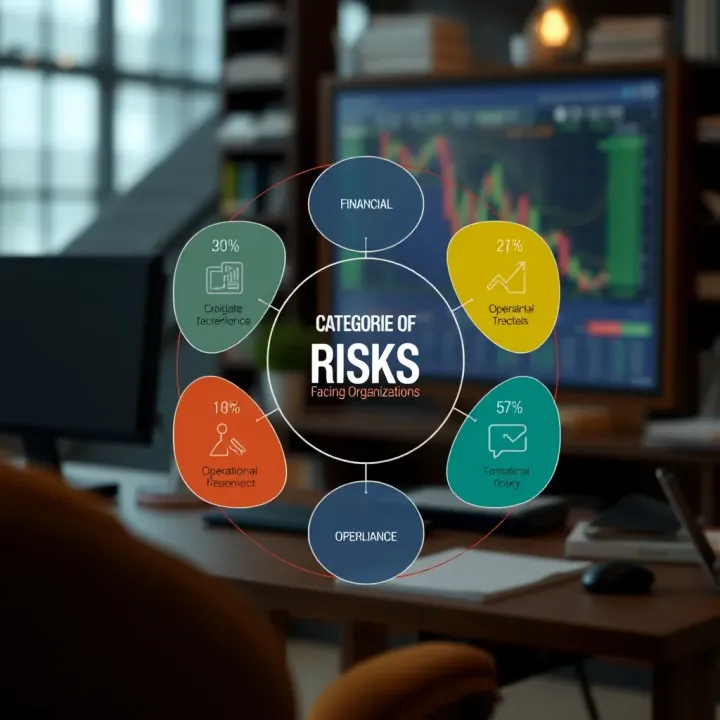
Identification: Spotting potential risks before they cause harm. This could involve reviewing financial reports, monitoring market trends, or checking regulatory updates from bodies like the SECP or FBR.
Assessment: Evaluating how likely each risk is and the impact it could have. For example, how much could a sudden spike in petrol prices add to transportation costs?
Control: Taking steps to reduce or handle risks. This can mean buying insurance, diversifying suppliers, or adopting technology to improve monitoring.
Well-managed risks help safeguard profits and ensure business continuity. Pakistani companies juggling multiple uncertainties need a structured approach to keep their operations on track.
Financial Risk: A Lahore-based investment firm uses currency hedging to protect itself from PKR fluctuations against the US dollar.
Operational Risk: A Karachi manufacturer maintains backup generators to mitigate losses during electricity outages.
Compliance Risk: An Islamabad fintech firm regularly updates its policies to comply with PTA’s telecom regulations.
Understanding these basics helps traders, investors, and financial analysts make informed decisions by anticipating challenges rather than reacting after losses occur. The goal is not to eliminate risk but to manage it sensibly.
This article will explore these concepts deeper along with tools and best practices tailored for Pakistani businesses, helping you build resilience and grow sustainably.
Risk management plays a vital role in how businesses operate, especially in Pakistan’s dynamic economic environment. It’s about recognising potential threats that could disrupt your organisation’s financial health or strategic goals and then taking steps to control or lessen those threats. For traders, investors, and financial analysts, understanding what risk management means helps in making smarter decisions and protecting assets effectively.
Risk is any event or condition that can cause harm or loss to an organisation. It’s not just about negative outcomes; risks can also represent missed opportunities. For example, a company importing raw materials might face currency fluctuation risk that can either increase costs or lead to unexpected savings. Knowing these risks allows for proactive planning rather than reactive firefighting.
In Pakistan, risks are quite varied — from sudden regulatory changes by the Federal Board of Revenue (FBR) to disruptions caused by loadshedding or political instability. A small textile business in Faisalabad faces different risks compared to a Karachi-based investment firm dealing with foreign exchange volatility. Identifying these localised risks gives businesses a clearer picture of challenges ahead.
Ignoring risks or handling them carelessly can lead to serious consequences. A company might face financial penalties for non-compliance or lose investor confidence after a poorly managed market downturn. Poor risk management often means unexpected losses, damage to reputation, or even business closure in extreme cases.
The first step is spotting risks before they become bigger problems. This involves scanning internal processes and external factors regularly. For instance, a broker firm must monitor geopolitical shifts that could affect market liquidity or client behaviour. Effective risk identification often uses tools like checklists, audits, and brainstorming sessions.
After identifying risks, businesses need to judge their likelihood and potential impact. This stage helps in prioritising which risks require immediate attention. For example, currency risk with a high chance and major impact gets prioritized over minor operational hiccups. Both qualitative assessments (expert opinions) and quantitative methods (statistical models) come into play here.
Managing risks means choosing the right strategies—avoidance, reduction, transfer, or acceptance. A company importing machinery might hedge foreign exchange risk by fixing rates with banks, while another may accept certain low-impact risks to focus resources elsewhere. Continuous monitoring ensures these strategies remain effective, with quick adjustments as conditions change.
Effective risk management isn’t a one-time project but a continuous cycle. Businesses that master this process improve resilience and can navigate uncertainty with confidence.
Understanding what risk management means and applying its principles is essential for Pakistani organisations seeking growth and stability in an unpredictable environment.
Risk management is essential for organisations because it helps protect their financial health and supports sustainable growth. Without it, businesses may face unexpected setbacks that drain resources and damage reputation. In Pakistan’s volatile economic environment, risk management ensures companies can navigate operational disruptions, regulatory changes, and market uncertainties with greater confidence.
Operational risks, such as machinery breakdowns or supply chain hiccups, directly affect day-to-day business functions. For instance, a textile factory in Faisalabad experiencing machinery failure can face production delays leading to missed delivery deadlines and loss of clients. Market risks, including currency fluctuations or sudden changes in demand, impact financial performance significantly. A Pakistani exporter dealing with fluctuating dollar-rupee exchange rates must manage exposure carefully to avoid unexpected losses.
Effective risk management identifies these vulnerabilities early and implements controls like preventive maintenance, alternate suppliers, or hedging strategies. This helps stabilise cash flow and shields the organisation from shocks that can disrupt operations or squeeze profit margins.

Pakistan's regulatory framework frequently updates rules affecting taxation, labour laws, and environmental standards. Non-compliance can result in hefty fines, legal disputes, or business interruptions. For example, a manufacturing firm ignoring the Pakistan Environmental Protection Agency’s (Pak-EPA) guidelines risks closure or penalties that could swallow yearly earnings.
Proactively managing regulatory risks involves constant monitoring of legal changes, employee training, and developing internal compliance checks. Organisations with robust compliance programmes avoid costly penalties and maintain goodwill with authorities and customers, safeguarding long-term viability.
Risk management provides valuable data that informs strategic decisions. When a company analyses risk trends, it uncovers hidden vulnerabilities and opportunities. For example, a financial institution might notice rising default rates in a sector and adjust lending policies accordingly. This data-driven approach allows businesses to allocate resources efficiently and pursue growth in safer areas.
Implementing risk analytics techniques, such as scenario modelling, helps organisations anticipate outcomes under different conditions. This leads to more informed and confident decision-making, balancing risks with potential rewards.
The pandemic and recurrent loadshedding have shown the importance of resilience — the ability to keep functioning despite shocks. Organisations that embed risk management into planning prepare contingency plans for disruptions. For instance, a software company might adopt cloud-based backups and flexible work policies to maintain service during power outages.
Developing resilience means having buffer resources, flexible operations, and clear communication channels. This not only reduces downtime but also builds customer trust and competitive advantage in uncertain times.
Organisations that treat risk management as a strategic priority are better placed to protect their finances and navigate challenges, ensuring steady progress even in Pakistan’s unpredictable business environment.
Understanding different types of risks is vital for organisations, especially in Pakistan’s dynamic business environment. Recognising these risks helps in preparing better strategies and shields organisations from unexpected losses. Let’s take a close look at the major categories of risks that businesses often face.
Foreign exchange rates in Pakistan can be quite volatile due to economic factors and political uncertainties. Businesses dealing with imports, exports, or foreign loans must monitor currency swings closely. A sudden depreciation of the rupee, for instance, can inflate the cost of imported raw materials, squeezing profit margins. Similarly, fluctuations in interest rates affect borrowing costs; a rise in the State Bank of Pakistan’s policy rate might increase loan repayments for firms relying on credit, impacting cash flow and expansion plans.
In many sectors, particularly manufacturing and wholesale trade, companies sell products on credit. Customer defaults can disrupt cash flow and increase bad debt provisions, leading to financial strain. For example, a textile mill providing credit to retailers in remote areas must assess the creditworthiness carefully. Without proper credit checks and follow-up procedures, defaults can pile up, causing serious losses and, in worst cases, jeopardising business survival.
Operational risks stem from internal system failures or human errors. For Pakistani businesses, unreliable electricity due to loadshedding or outdated machinery can halt production lines. A textile factory might face delays if power outages disrupt automated looms. Such failures not only delay delivery but can also increase costs and damage client relationships. Having backups, proper maintenance, and contingency plans is crucial to reduce operational disruptions.
In sectors like FMCG or telecommunications, competition is intense. Organisations must constantly adapt to changing consumer preferences and new market entrants. For instance, local e-commerce platforms such as Daraz face stiff rivalry from international players entering the market. Failing to innovate or pricing unfairly can erode market share quickly. Strategic risk management here means analysing competitor moves and adjusting business models to stay relevant.
The regulatory framework in Pakistan is ever-changing with bodies like the Securities and Exchange Commission of Pakistan (SECP) and the Federal Board of Revenue (FBR) imposing new requirements regularly. Non-compliance can result in penalties or licence cancellations. For example, a financial services company must keep up with SECP guidelines and tax filings to avoid fines or operational suspensions. Understanding local laws and staying updated is critical for smooth operations.
Businesses frequently encounter legal challenges, from contractual disagreements to labour disputes. These can lead to costly court cases and reputational harm. For instance, a construction firm involved in a breach of contract case might not only face penalties but also delayed payments. It is important to have proper legal counsel and maintain thorough documentation to mitigate these risks effectively.
Identifying and managing these risk types allows businesses to protect themselves and ensure sustainable growth in Pakistan’s competitive market.
By focusing on these risks, traders, investors, and analysts can better evaluate the safety and performance of businesses. Tackling each risk type head-on is the key to stronger decision-making and long-term success.
Risk management relies heavily on effective tools and techniques to ensure that organisations can identify, assess, and address risks systematically. These tools help translate abstract risks into tangible data, enabling better decision-making and protection of assets. For Pakistani businesses, using appropriate models and strategies can mean the difference between avoiding losses or facing serious financial setbacks, especially amid the country's dynamic economic and regulatory landscape.
This approach focuses on assessing risks based on non-numerical data like expert opinions, historical cases, and scenario analysis. It sorts risks by their likelihood and impact through categories such as low, medium, or high rather than exact figures. For instance, a textile export company in Faisalabad might classify risks like political unrest or supplier delays qualitatively to prioritise which risks need urgent attention.
Qualitative analysis works well in situations where hard data is scarce or where quick judgments are needed. It allows management teams to grasp the relative severity of various risks and decide where to allocate resources without complex calculations.
In contrast, quantitative analysis applies numbers and statistical models to measure risk probability and potential losses. This can involve techniques like Monte Carlo simulations, value-at-risk (VaR), or sensitivity analysis. For example, a stockbroker monitoring PSX investments may use VaR to estimate the potential worst-case financial loss in a specific period under normal market conditions.
Quantitative tools provide a more precise risk estimate, enabling firms to calculate probable financial impacts and capital requirements. However, they need reliable data inputs and more sophisticated analytical capabilities, which may be a challenge for smaller firms.
Avoidance means steering clear of activities that introduce certain risks, like a retail firm choosing not to operate in politically unstable regions. Reduction, on the other hand, lowers risk severity through improved controls—for example, a bank strengthening its cybersecurity to reduce the chance of data breaches.
In Pakistan, companies often reduce risk by diversifying suppliers to counter delays related to transport issues or loadshedding. These measures help avoid sudden shocks or lessen their impact.
This involves shifting risk to third parties, commonly through insurance or outsourcing. Transport companies might transfer cargo damage risks to insurance providers, while firms outsource non-core processes to reduce exposure.
Risk sharing can also happen through joint ventures. A manufacturing firm collaborating with a foreign partner might share project risks, balancing financial exposure. Such strategies are practical in Pakistan’s emerging markets where uncertainties like regulatory changes persist.
Sometimes, organisations accept risk when mitigation costs outweigh potential losses or risks are unavoidable. A startup accepting small operational hiccups might tolerate limited financial exposure while focusing on growth.
Acceptance demands clear documentation and monitoring to avoid surprises, plus readiness to respond if risk materialises. This approach helps Pakistani companies balance risk and innovation without excessive spending on controls.
Using appropriate risk tools helps Pakistani businesses steer through uncertainties more confidently, maintaining financial stability and seizing opportunities safely.
Effective risk management hinges on adopting best practices that embed risk awareness into every layer of the organisation. These practices ensure that risks don’t just get identified but are actively monitored and controlled through systematic processes. For Pakistani businesses, this approach helps navigate volatile markets and regulatory environments, avoiding losses that can hurt profitability.
Training employees across departments builds a shared understanding of risk factors impacting the business. For example, a textile factory in Faisalabad may train staff to spot supply chain interruptions early, preventing production halts. Awareness programmes familiarise teams with common risks like cybersecurity threats or compliance issues specific to Pakistan’s market.
Regular workshops and e-learning sessions also empower employees to respond to emerging risks promptly. This ongoing education creates a culture where risk management is everyone's responsibility, rather than just the concern of senior management.
Leadership serves as the torchbearer for risk management initiatives. When senior managers actively support risk policies and allocate resources for risk tools, these practices gain traction organisation-wide. Consider a Karachi-based bank where the board's involvement in reviewing risk reports sends a clear message on accountability.
Without visible leadership support, risk management tends to stay on paper only. Leaders must champion risk culture by setting expectations, rewarding proactive risk identification, and integrating risk management goals into performance assessments.
Routine risk reviews are essential for timely updating of risk profiles based on new data or operational changes. A construction firm in Islamabad might conduct monthly reviews to assess impact from regulatory changes or material price swings.
Such scheduled reviews help catch blind spots and adjust mitigation plans accordingly. They maintain vigilance rather than letting risk assessments become outdated documents gathering dust on shelves.
Transparent and efficient reporting channels facilitate fast communication of risk issues from ground-level to decision-makers. For instance, a logistics company linked to export markets may establish direct lines for drivers and warehouse staff to report security or compliance concerns.
Clear reports summarise risk status, highlight non-compliance trends, and suggest actions, enabling swift decisions. They reduce confusion and ensure everyone knows what risks are present and how they are being handled.
Embedding these best practices turns risk management from a checkbox exercise into a living part of daily business operations. For Pakistani businesses, this approach mitigates losses, protects reputation, and sustains growth despite uncertainties.
Discover how risk management boosts business decision-making, financial strength, compliance, and reputation for steady growth 📈🔍💼

📊 Discover how actuarial science helps assess and manage financial risks in insurance and finance, tailored for professionals and students in Pakistan.

🔍 Explore binary classification in machine learning—key concepts, popular algorithms, evaluating models, and practical uses across real-world scenarios.

📊 Learn binary addition with clear, practical examples! Understand basics, carrying method, and solve problems confidently for easy mastery of binary numbers.
Based on 9 reviews