

Understanding Binary Converters: Basics and Uses
Learn how binary converters work 🔢 and why they matter in computing and daily tech 📱. Clear, practical guide for all readers, including Pakistan 🇵🇰.
Edited By
George Mitchell
Binary trading is a financial practice where you predict whether the price of an asset—like stocks, currencies, or commodities—will go up or down within a set period. It differs from traditional trading because instead of owning the asset, you essentially bet on the direction of its price movement.
At its core, binary trading offers two outcomes: a fixed profit if your prediction is correct, or a total loss of the money invested in that trade if wrong. For example, imagine you predict that the price of a certain stock will be higher than its current value in 10 minutes. If it actually is, you earn a predetermined payout; if not, you lose the amount you placed on that bet.

This predict-and-win setup makes binary trading simple to understand, but the straightforwardness hides significant risks. Due to the short time frames and fixed payouts, losing trades can quickly erode your capital. Many beginners might be tempted by the promise of quick returns but end up facing heavy losses instead.
Expiry Time: The duration after which the trade closes and the result is determined.
Strike Price: The price level you are predicting the asset will move above or below.
Payout: The fixed amount you receive if your prediction is correct.
Popular platforms for binary trading in Pakistan include international brokers that accept Pakistani traders, often with support for payment methods like JazzCash or Easypaisa. However, users should be cautious as the legal situation concerning binary options is not clearly defined by Pakistani regulators.
Binary trading can be tempting for its simplicity and fast outcomes, but understanding the mechanics and risks is vital before committing money.
To sum up, binary trading involves making quick predictions on asset price movements with clear win-or-lose outcomes. While easy to grasp, it requires careful study and risk management to avoid rapid financial losses.
Understanding what binary trading is and how it works is essential for anyone looking to participate in this market. Binary trading offers a clear-cut approach to financial speculation, making it attractive for traders who prefer straightforward decisions. However, its simplicity comes with unique features and risks that differ from more traditional trading methods.
Binary options are financial contracts where you predict whether the price of an asset will rise or fall within a predefined timeframe. Unlike regular trading, which often involves owning the asset or entering complex contracts, binary options provide a fixed payout if your prediction is correct and result in losing your investment if you’re wrong. For example, if you predict that the price of gold will be higher than Rs 300,000 per tola in the next hour, you place a binary option trade. If you’re right at expiry, you earn a fixed profit; if not, you lose the stake.
Traditional trading involves buying or selling assets like stocks, currencies, or commodities with profits depending on the asset's price movement. In contrast, binary trading simplifies this to a yes/no proposition about price directions within set times. The trader either wins a fixed amount or loses their entire investment for each trade, making it more like a gamble on market movement than a gradual investment. This 'all or nothing' nature means traders should understand the risks fully before participating.
Expiry time is crucial in binary trading; it defines when the contract ends and your prediction is evaluated. These times can vary widely—ranging from 30 seconds to several hours or days—giving flexibility but also requiring keen timing. Strike price is the benchmark level the asset price must overcome for the option to be profitable. For instance, choosing an expiry time of 15 minutes and a strike price of USD/PKR 280 means your prediction must hold at that point for a payout.
Binary trading comes in various forms to suit different strategies:
Call/Put options: These are the most common, where a 'call' predicts price will rise above the strike price, and a 'put' predicts it will fall below.
One-touch options: These pay out if the price touches a predetermined level at any time before expiry. For example, if the price of crude oil touches $65 even once, you profit.
Range options: You predict whether the price will stay within a particular range during the contract’s life.
Each type requires different market insights and fits different risk appetites, so understanding their mechanics helps tailor your approach.
Grasping these basics of binary trading equips traders to make informed decisions and recognise where this simplified trading fits within broader investment strategies.
Understanding common terms in binary trading is key for anyone wanting to navigate this market effectively. These terms help you grasp how trades are structured and what you actually commit to when you place a bet on price movement. Clear knowledge of these will aid in making informed decisions, reducing mistakes that can cost your investment.
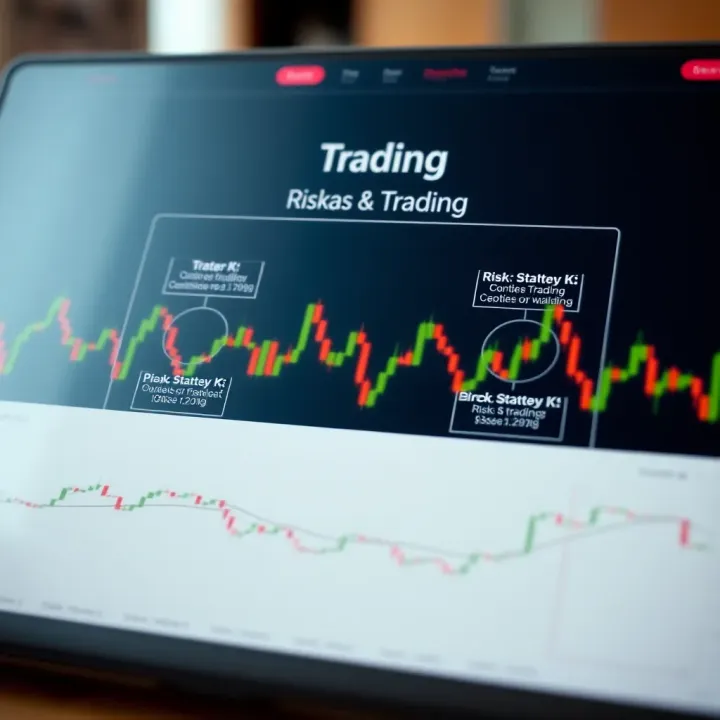
The strike price is the fixed price point of the asset at the moment a trade is opened. This acts as the benchmark for deciding the trade’s outcome. Expiry time is the length of the trade, meaning you predict whether the price will be above or below the strike price when this time ends. Depending on your prediction, the payout is either a fixed amount if the trade is correct or zero if it is wrong. For example, if you buy a binary option on USD/PKR at a strike price of 280 with a 30-minute expiry, you predict whether the exchange rate will be higher or lower than 280 when that 30 minutes ends.
Underlying assets are the financial instruments whose prices binary options reflect. These can be currencies, stocks, indices, or commodities. The asset’s price movement determines your trade's result. This means that understanding the asset’s behaviour, news factors, and market trends is vital. For instance, if you trade gold options, geopolitical events or Pakistan’s economic data impacting gold prices should be on your radar to improve your prediction accuracy.
In binary trading, In The Money (ITM) means your prediction was correct at expiry, so you receive the predefined payout. Conversely, Out of The Money (OTM) means your prediction missed the mark, losing the amount invested. For example, if you guessed that Brent crude oil prices would rise but they fell instead, that trade ends OTM. Knowing these terms helps you assess your trade status quickly.
Forex pairs are a popular choice due to their active trading and liquidity. USD/PKR is particularly relevant for Pakistani traders, impacted by factors like SBP monetary policy, remittances, and political stability. Traders often monitor Pakistan’s economic news and Reserve Bank announcements to predict short-term price moves. Because currency rates can shift fast, binary options on forex pairs require careful timing but offer good opportunities.
Indices like the KSE-100 represent a group of stocks and reflect overall market health. Trading indices allows you to capitalise on broader economic trends rather than isolated company news. On the other hand, trading individual stocks in binary options targets specific business events, earnings, or announcements. For example, a positive earnings report from a major Pakistani company can push its stock price above the strike price.
Gold and oil are standard commodities traded through binary options because their prices respond strongly to global events. Pakistan being an oil importer feels oil price changes acutely. Trading binary options on these commodities requires paying attention to international markets and political developments. For example, unrest in oil-producing countries can cause sharp price rises, offering trading chances if timed right.
Grasping these terms and assets sets a strong foundation for managing your binary trades effectively and understanding what influences your profits or losses in this volatile market.
Binary trading is often seen as a fast way to make profits, but it carries heavy risks that traders must understand upfront. These risks are not just theoretical; they can have real financial consequences, particularly for beginners or those unfamiliar with the market dynamics. This section sheds light on critical dangers in binary trading, helping you weigh the potential rewards against the possible losses before stepping in.
One of the main risks in binary trading is the all-or-nothing payout structure. When you place a trade, you bet on whether an asset’s price will move above or below a certain point within a fixed time frame. If your prediction misses the mark, you lose your entire investment in that trade. For example, if you invest Rs 5,000 expecting the USD/PKR pair to rise but it falls instead, you lose the full Rs 5,000. This makes risk management crucial because even a couple of wrong predictions in a row can wipe out your capital.
The simplicity of this payout system seems attractive but can quickly turn against traders who don’t control their amounts or rush without proper analysis. Many novice traders fall into the trap of chasing losses, risking more to recover previous money, which often leads to bigger downsides.
Market volatility adds another layer of risk. Prices of underlying assets like currencies, commodities, or stocks fluctuate quickly due to political events, economic data releases, or unexpected news. Such sudden moves can easily push the price past your strike level just seconds before expiry, causing you to lose despite an almost correct prediction.
Unregulated brokers pose a serious threat in binary trading. Since this market lacks strict global rules, many fraudulent platforms target inexperienced traders with promises of guaranteed returns. These brokers might manipulate prices, delay withdrawals, or refuse to return your investment. For instance, a trader may deposit Rs 50,000 only to discover the platform won’t allow withdrawal citing technical issues. In Pakistan, reports of such scams have increased, so it’s essential to verify broker registration and reputation before committing funds.
Regarding the legal status, binary trading currently exists in a grey area in Pakistan. The Securities and Exchange Commission of Pakistan (SECP) has not explicitly regulated binary options, and many platforms operate without local licences. This lack of regulation means consumers have limited safeguards or legal recourse if things go wrong. It’s a good idea to consult financial advisors or check updates from SECP and the State Bank of Pakistan (SBP) about any changes in binary trading policies.
Always ensure you only trade with brokers registered with proper authorities to protect your money from fraud and legal complications.
Understanding these risks and regulatory gaps helps traders stay cautious and avoid common pitfalls in the binary trading world. Awareness combined with proper strategy can prevent losses and promote safer trading decisions.
Beginning binary trading in Pakistan involves choosing the right platform, completing proper account setup, and understanding how to safely move your money. Knowing these steps reduces risks and helps you trade efficiently.
Pakistani traders have access to both local and international binary trading brokers. Local platforms might offer easier deposit options like JazzCash or Easypaisa, but international brokers usually provide a wider range of assets and features. For example, a trader in Karachi might prefer an international broker like IQ Option or Binary.com for their advanced tools but check whether they accept Pakistani payment methods.
You should weigh the platform’s reputation carefully. Look for brokers regulated by known authorities, even if not Pakistani regulators, to avoid scams. User reviews and active customer service also signal reliability.
When evaluating platform features, focus on usability and security. A clean interface that works nicely on mobile devices is important since many users trade via phones. Features like real-time charts, demo accounts, and quick withdrawals make trading smoother. Also, ensure data encryption and two-factor authentication protect your accounts.
To start trading legally, you must complete the Know Your Customer (KYC) process, which requires submitting your Computerised National Identity Card (CNIC) for verification. This step confirms your identity and prevents fraud. Platforms will often ask for proof of address as well. This keeps the trading environment safe for all users.
Funding your account is another key step. Most reliable brokers accept payments through local methods like bank transfers or mobile wallets such as Easypaisa and JazzCash. Using these familiar options avoids extra currency exchange charges and delays. Remember, only fund accounts through official payment channels to protect against scams.
Starting with a trusted broker and completing thorough KYC checks is your best bet for safe and successful binary trading in Pakistan.
Careful platform selection along with proper account verification and handy local payment methods make entering binary trading a more confident experience.
Managing trades effectively is key for survival in binary trading, especially considering its all-or-nothing nature. Using practical strategies helps control risks and boost chances of profit rather than relying on guesswork or luck. This section lays out some straightforward yet impactful techniques that beginners and even experienced traders can apply.
To start with, observing market trends is essential. Prices in assets like forex pairs or commodities usually follow certain patterns rather than moving completely randomly. By watching price charts over time, traders can identify upward or downward trends which guide decision making. For example, if USD/PKR is steadily rising over days due to economic news, a trader might choose a call option predicting the price will stay above a certain strike price at expiry. The skill lies in noticing subtle shifts early enough and confirming patterns before entering trades.
Aside from charts, broader market conditions matter too — political developments, interest rate changes by the State Bank of Pakistan, or international events often influence market direction. Beginners benefit greatly from combining technical observations with such fundamental awareness, helping them avoid impulsive trades based only on random tick movements.
Demo accounts offer a risk-free environment to practice strategies using virtual money. This is a must for anyone stepping into binary trading without prior experience. You can try out call/put options, one-touch or range binary types without losing actual funds. It builds confidence and understanding of platform navigation, option expiry times, and payout structures.
In Pakistan, several international brokers provide demo accounts accessible with minimal sign-up. Traders should spend a good amount of time experimenting here before moving to live trading. This hands-on practice helps reduce emotional mistakes, like chasing losses or placing large bets without rationale.
One of the simplest but most effective rules is to limit how much you bet on each trade. Allocating only a small portion of your trading capital keeps you in the game longer and prevents wiping out your account from one or two wrong calls. For instance, a trader with Rs 50,000 should consider investing no more than Rs 1,000–2,000 per trade initially.
This approach also encourages selectivity; rather than trying to trade every opportunity, you focus on higher-confidence setups. Over time, controlled investments compound gains steadily and lower stress.
Stopping losses promptly is crucial due to the all-or-nothing payoff in binary trading. Setting a threshold on total losses per session or day avoids emotional decisions that might push you to gamble recovering losses immediately. For example, if your total loss hits Rs 5,000 in a day, it’s wiser to quit trading for the day and reassess strategies instead of risking more money in frustration.
Some platforms provide features to automatically close positions or suspend trading after certain losses, which can be handy tools. The discipline to recognise when to pause — whether from a losing streak or volatile market conditions — protects capital and supports long-term trading sustainability.
Successful binary trading isn’t about making lucky guesses. It requires systematic observation, practice, and disciplined money management to keep losses low and opportunities high.
Employing these basic strategies helps traders in Pakistan navigate the complex binary market with a clearer plan, avoiding common pitfalls and improving chances of steady returns.
Learn how binary converters work 🔢 and why they matter in computing and daily tech 📱. Clear, practical guide for all readers, including Pakistan 🇵🇰.

Explore the basics of binary codes 💻, their history, types, and role in computers & data communication 📡 with practical insights on error detection and coding.
Explore how binary adders work in digital tech 🔍. Learn types, key principles, and real-world uses to boost your engineering know-how ⚙️💡.

Explore the basics and uses of the binary alphabet 0️⃣1️⃣, key to digital communication and computing tech, vital for Pakistan's digital growth.📱💻
Based on 7 reviews