

Understanding Binary Compounds: Types and Uses
Explore the types, bonding, and properties of binary compounds 🔬. Learn their naming, uses in industry, and chemistry applications in daily life.
Edited By
Sophie Wilson
Binary decoders are essential electronic components that convert binary input signals into a specific output pattern. They are widely used in digital systems to select one among many output lines based on a coded input. For example, in a 2-to-4 binary decoder, two input bits can activate one of four outputs individually. This makes decoders critical in applications like memory addressing, multiplexing, and display systems.
A decoder works by activating only the output line corresponding to the binary input value, leaving all others inactive. This behaviour allows easy identification of input signals and helps control hardware components like LEDs, seven-segment displays, or relays in embedded systems.

In Pakistan’s electronics industry, binary decoders are often incorporated into automation devices and educational kits for engineering students. For instance, in PCB designs for simple traffic light controllers or digital clocks, decoders translate input signals from controllers or microprocessors into actions displayed on LEDs or other indicators.
Understanding the workings of binary decoders can significantly improve the optimisation of digital circuits, especially for professionals involved in designing hardware or teaching digital electronics.
Common types of binary decoders include:
2-to-4 line decoder: Converts 2 input bits into 4 unique outputs.
3-to-8 line decoder: Uses 3 bits to select 1 of 8 outputs.
BCD to decimal decoder: Takes a binary-coded decimal input and activates one of 10 outputs.
Design considerations usually involve the number of input and output lines, propagation delay, power consumption, and the compatibility with the rest of the digital system. Simple TTL and CMOS decoders are easily available in markets across Karachi, Lahore, and Islamabad, suitable for both hobbyists and professional use.
In educational setups, students use decoders to grasp fundamental digital logic concepts, often through practical lab experiments or simulation software like Multisim. In the financial technology sector, where precise control of digital data signals is crucial, decoders help bridge processor signals with user interfaces.
Overall, mastering binary decoders is key for anyone working with digital electronics in Pakistan — whether developing cost-effective embedded solutions or teaching the next generation of electrical engineers.
Binary decoders form the backbone of many digital systems by converting binary information into a specific output pattern. Their basic principles help us understand how digital devices process and represent data efficiently. Grasping these fundamentals is key for anyone working with electronics, robotics, or computing technologies, especially in designing circuits or troubleshooting.
A binary decoder is a device that takes a binary number input and activates one specific output line corresponding to that input. Think of it like a switchboard operator directing each caller to a unique phone line based on the number dialled. In practical terms, this lets a system identify or select one among multiple options or devices.
For an n-bit binary decoder, there are 2ⁿ output lines, but only one is active at a time, matching the binary input pattern. For example, a 3-bit input can generate 8 outputs, with the output representing the exact binary input code. This straightforward mapping allows systems to simplify control signals, such as enabling a particular memory section or selecting a specific device.
The operation of any binary decoder is clearly shown in a truth table, which lists every possible input combination alongside the corresponding output. This visual aid not only clarifies how the decoder functions but also helps engineers verify or design decoder circuits. For instance, in a 2-to-4 decoder truth table, when the input is 10 (binary), only the third output line is high, while others remain low.
At their core, binary decoders use basic logic gates such as AND, OR, and NOT to produce the correct output line activation. Each output line is connected to a unique combination of these gates that correspond to one particular input pattern. This ensures only one output is high for any input, preventing conflicting signals which could disrupt the circuit’s operation.
When a binary number enters the decoder, the logic gates interpret the bits and trigger the right output. For example, if the input is 011, the decoder’s logic gates detect this pattern and energise the output line three. This process involves checking each bit's value and matching it to the preset logic conditions in the decoder circuit.
Understanding these steps helps in designing custom decoders or finding alternatives while working on digital projects, especially in educational or industrial setups.
Binary decoders serve as essential components to enable decision-making in digital circuits. They select the targeted output line to activate components such as memory chips, display segments, or address lines in microprocessors. Without decoders, managing multiple outputs based on binary inputs would become messy and inefficient, especially in devices like televisions, mobile phones, or automated control systems prevalent in Pakistan.
In summary, mastering the basic principles of binary decoders equips engineers and students alike with tools to design more efficient and error-free digital electronics. With clear input-output mapping and simple logic gate combinations, decoders remain indispensable across various technical fields.
Binary decoders come in different types, each serving specific purposes in digital electronics. Understanding their differences is vital for selecting the best fit for any project, ensuring efficient and accurate data conversion from binary inputs to meaningful outputs. This section covers the most common binary decoders, highlighting their operational traits and practical applications, especially in Pakistan's growing electronics industry.
Simple 2-to-4 and 3-to-8 decoders are basic digital circuits that translate binary inputs into one active output line. For instance, a 2-to-4 decoder uses two input bits to activate exactly one of its four output lines. These decoders typically work using logic gates arranged to detect each input combination. Their straightforward design allows quick conversion with minimal delay, which is crucial in timing-sensitive electronics.
These decoders are common in applications like data multiplexing and demultiplexing, memory address decoding, and display device control in Pakistan’s consumer electronics such as remote controls and digital clocks. For example, a 3-to-8 decoder enables selecting one of eight memory locations in embedded systems used in automation plants, making it easier to manage various control signals efficiently.
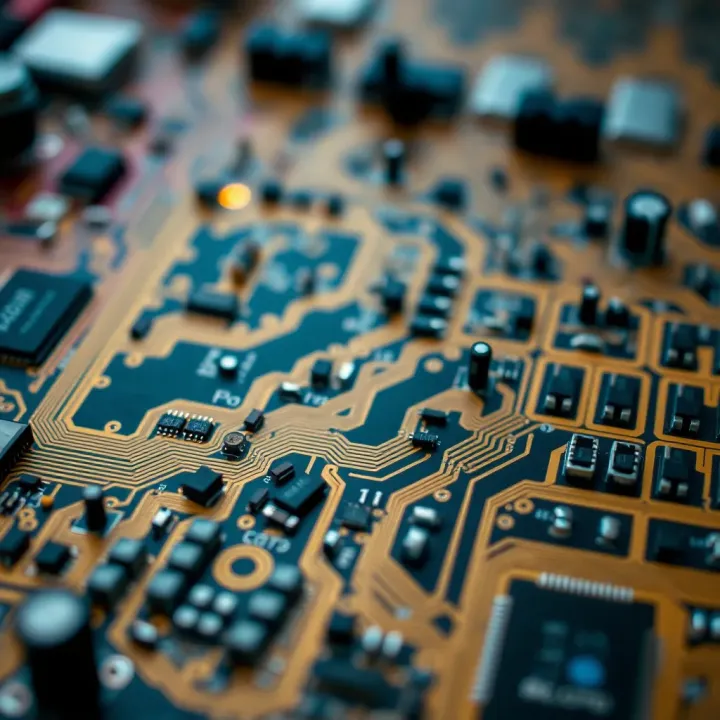
Unlike simple decoders that activate outputs based only on binary input patterns, priority decoders also determine which input has the highest priority if multiple inputs are active simultaneously. This feature helps prevent conflicts by ensuring only the most important input signals trigger an output. It adds a layer of decision-making, valuable in complex digital circuits where inputs may not be mutually exclusive.
Priority decoders find use in local telecom switching equipment and embedded control units, where multiple signal channels compete for processing. In circuits for traffic signal controllers installed in cities like Lahore and Karachi, priority decoding helps manage inputs from various sensors efficiently, avoiding clashes and ensuring smoother traffic flow.
Binary-Coded Decimal (BCD) to decimal decoders translate binary inputs that represent decimal digits into corresponding single-line decimal outputs. This conversion is important because digital systems store numbers in binary, but humans read and use decimal numbers. The decoder outputs a high signal on only one of its ten output lines, each representing digits from 0 to 9.
BCD to decimal decoders are widely used in digital readouts — for example, in electronic meters used in Pakistan's household electricity monitoring and water supply systems. These decoders drive seven-segment displays showing numerical values, making it easier for consumers to read consumption figures without confusion or conversion hassle.
Understanding these decoder types helps not only in circuit design but also in troubleshooting and upgrading electronic devices used widely in Pakistan. Each type carries practical benefits suiting different tasks, from simple control to complex signal management, making them vital parts of our digital world.
Simple 2-to-4 and 3-to-8 Decoders: good for basic address decoding and display control
Priority Decoders: essential where input conflicts occur
BCD to Decimal Decoders: bridge binary data and human-readable numbers
Choosing the right decoder depends on the specific needs of your application, whether in education labs, telecom infrastructure, or industrial automation setups around Pakistan.
Choosing and designing the right binary decoder is essential for building efficient and reliable digital systems. Proper consideration during design impacts device performance, cost, and energy consumption, which are critical factors especially in Pakistan’s electronics industry where cost-efficiency and power stability matter.
The input size directly determines the number of output lines for a decoder. For example, a 3-to-8 decoder has three input lines and eight outputs, enabling it to activate exactly one line for each binary input combination. When designing circuits, it's important to match the decoder's input size with the system's data width to avoid redundant hardware or limited functionality.
For practical applications, such as in a traffic signal controller at a busy chowk, choosing a decoder with appropriate input-output ratios ensures precise signal routing without unnecessary complexity. Selecting an overly large decoder might waste resources, while a smaller input space may restrict system capabilities.
In high-speed applications like telecommunications or embedded mobile devices, decoder speed affects overall system responsiveness. Decoders designed with faster logic gates or implemented using modern CMOS technology consume less power and switch faster, which is vital for battery-operated devices.
Power consumption also influences design decisions, especially in Pakistan, where frequent loadshedding and unstable power supplies demand energy-efficient solutions. Opting for low-power decoders reduces heat generation and improves device reliability during fluctuating energy conditions.
Decoders can be built using fundamental logic gates like AND, OR, and NOT. This method gives designers flexibility to customise decoder size and logic functionality. For instance, a simple 2-to-4 decoder can be constructed by combining AND gates with inverted inputs to represent all input combinations.
This approach is useful in educational labs and prototype development in Pakistan’s engineering universities, where students learn digital logic design hands-on. Yet, assembling gates requires careful wire management to avoid signal noise or errors.
Integrated circuit (IC) decoders, such as the popular 74HC138 3-to-8 line decoder, offer ready-made, tested solutions reducing design time. Using ICs ensures consistent performance and simplifies assembly, increasingly favoured in industrial applications across Pakistan.
For example, industrial automation systems controlling conveyer belts in factories use these IC decoders to streamline signal decoding and switching. Their availability in local electronics markets and compatibility with standard logic families make them practical choices.
When assembling decoder circuits, ensure proper power supply stability by using regulated sources to prevent malfunction. Double-check pin connections to match datasheet specifications — a common source of errors.
For PCB designs and breadboard setups, keep wiring tidy and avoid long signal paths to reduce noise and delay. Adding bypass capacitors near IC power pins enhances smooth operation. Testing each stage incrementally during assembly allows early fault detection and smoother troubleshooting.
Careful design and assembly decisions improve system reliability and efficiency, critical in Pakistan’s growing electronics sector adapting to power challenges and cost constraints.
Binary decoders play a significant role in various sectors across Pakistan, including consumer electronics, education, and industrial automation. Their ability to convert binary inputs into unique outputs makes them essential for controlling circuits and managing data flow in practical devices. Recognising their applications not only helps engineers design better systems but also aids investors and traders who follow technology-driven markets.
In Pakistan, television and radio sets often rely on binary decoders to manage channel selection and signal processing. For example, when a user presses a button on a remote, the decoder interprets the binary code sent from the remote to activate the correct channel or function. This process ensures smooth switching and clear reception in devices commonly used in Pakistani households.
Manufacturers also use decoders in radio circuitry for frequency selection and demodulation processes. This helps maintain signal integrity and allows radios to handle multiple frequency bands efficiently, which is particularly important in urban areas like Karachi and Lahore where signal congestion can be an issue.
Mobile phones and embedded systems in Pakistan incorporate binary decoders for functions like keypad encoding, memory address decoding, and peripheral control. For instance, in budget smartphones popular in Pakistan, decoders manage the routing of signals between the processor and various components such as cameras, sensors, and display panels.
Embedded systems in industrial equipment or home appliances use decoders to simplify control logic, reducing design complexity and cost. This is especially useful where parts need to respond to numerous input combinations without expensive microcontroller overheads.
Pakistani engineering curricula in universities and technical colleges introduce binary decoders as fundamental digital circuits. Practical labs often include building simple decoder circuits to help students grasp digital logic concepts. This hands-on experience prepares students for careers in electronics design and automation, which are growing fields in Pakistan’s technology sector.
Students learn to implement decoders using logic gates and integrated circuits, enhancing their skills in circuit analysis and troubleshooting. This practical foundation is valuable for those pursuing roles in Pakistan’s rapidly expanding electronics manufacturing industry.
Binary decoders frequently feature in student projects, ranging from basic traffic light controllers to more complex embedded control systems. These projects provide a platform for applying theoretical knowledge to real-world problems.
For example, a student might design a decoder-based system to manage the signals controlling a water pump remotely, addressing issues common in rural areas where electricity supply is unreliable. Projects like these demonstrate decoder applications in everyday Pakistani contexts.
Binary decoders help automate manufacturing and processing plants in Pakistan by translating binary control signals into specific actions. In textile factories or food processing units, decoders activate different machinery sections based on control inputs, improving efficiency and reducing human error.
They are especially valuable where precise sequencing of operations is needed, such as in packaging lines. This ensures consistent product quality while optimising resource use.
In automated warehouses and communication centres, binary decoders manage signal routing between multiple sources and destinations. For instance, in a distribution centre in Islamabad, decoders help switch signals to the correct conveyor belts or robotic arms based on input commands.
This improves system reliability and speed without requiring complex microprocessor programming. In Pakistan’s growing logistics and telecommunication sectors, such decoding mechanisms boost operational performance and facilitate easier maintenance.
Binary decoders are quietly powering many everyday and industrial systems across Pakistan, offering cost-effective and reliable ways to control complex digital processes with ease.
Binary decoders play a vital role in many digital circuits, so ensuring their reliable operation is essential. Troubleshooting these devices quickly can prevent larger system failures, especially in consumer electronics or industrial control systems common in Pakistan. This section highlights how to spot decoder faults and practical steps to fix issues.
Faulty binary decoders typically exhibit incorrect or inconsistent output signals relative to their input combinations. For example, a 3-to-8 decoder may activate multiple output lines simultaneously when only one should be on. In consumer devices like radios or TVs, this could cause channel selection problems or erratic behavior. Such symptoms often point to electrical faults or logic gate failures inside the decoder.
To verify decoder function, simple tests can be done using a multimeter or logic probe. For instance, applying known binary inputs and checking output lines against the expected truth table can pinpoint issues. In educational labs, using oscilloscopes to observe signal transitions can reveal timing or noise problems affecting decoder operations. These testing approaches help isolate faulty components without full circuit disassembly.
Misconnected or loose pins remain a common reason for decoder issues. Verifying that input pins receive correct binary signals and output pins connect to the intended destinations can resolve many faults. In Pakistan’s electronic workshops, technicians often find that solder joints or jumper wires cause intermittent decoder malfunctions. Regular visual and continuity checks are therefore essential before deeper diagnostics.
Binary decoders need a stable voltage supply to function correctly. Variations or drops in supply voltage, common during loadshedding or unstable electric grids in Pakistan, can lead to erratic decoder outputs. Using regulated power sources or voltage stabilisers helps maintain steady operation. Additionally, decoupling capacitors near the decoder chip can filter transient glitches that might otherwise cause faulty decoding.
When testing confirms a decoder chip or its logic gate components are damaged, replacing the defective part is the straightforward solution. Since binary decoders often come in standard IC packages (like the 74xx series), replacements are generally affordable and accessible even in smaller Pakistani electronics markets. Proper handling and verifying part numbers ensure compatibility and restore circuit reliability.
Ensuring binary decoders work correctly not only improves device performance but also reduces downtime and repair costs, especially important for industrial systems and education labs across Pakistan.
Through careful fault identification, thorough testing, and appropriate maintenance, binary decoders can serve reliably in a wide range of applications.
Explore the types, bonding, and properties of binary compounds 🔬. Learn their naming, uses in industry, and chemistry applications in daily life.
Explore how binary counters work, their types, key applications, and design tips 🛠️. Perfect guide for engineers and students in Pakistan seeking practical insights.
Explore how binary counters work, their design types, and real-world uses in digital circuits 🖥️. Get a clear view of counting sequences and applications!

Learn how binary converters work 🔢 and why they matter in computing and daily tech 📱. Clear, practical guide for all readers, including Pakistan 🇵🇰.
Based on 10 reviews