
Guide to Online Gold Trading in Pakistan
Explore secure online gold trading in Pakistan: key platforms, benefits, risks, and practical steps to buy, sell, and invest confidently 💰📈
Edited By
Sophie Mason
Gold trading holds a significant place in Pakistan’s economy and culture, blending investment opportunities with long-standing traditions. For traders, investors, and analysts, understanding live gold rates and the factors shaping these prices is essential to making smart decisions.
In Pakistan, gold rates fluctuate constantly during market hours based on several variables. These rates are quoted per tola (about 11.66 grams) and also per 10 grams, with slight differences due to varying measuring standards in local jewellery shops and trading centres.
Live gold rates provide a snapshot of market sentiment, reflecting instant changes in global supply-demand, rupee value, and local demand.
International Gold Price: Pakistan imports most of its gold, so global prices in US dollars directly impact local rates.
Exchange Rate Movements: Since gold is priced in dollars, fluctuations in the PKR/USD rate influence gold prices in rupees sharply. For example, a weakening rupee typically pushes gold prices up.
Local Demand and Supply: Weddings, festivals like Eid, and economic uncertainty often boost gold buying, increasing demand-driven prices.
Government Policies: Customs duties, import restrictions, and monetary policy decisions by the State Bank of Pakistan affect trade costs and hence rates.
Pakistani traders and consumers rely on:
Karachi Sarafa Bazaar rates, quoted daily based on actual trading
Reputable jewellery associations’ announcements
Financial news channels and specialised apps updating rates frequently
Real-time updates allow buyers and sellers to time their transactions wisely instead of relying on outdated prices.
Monitor both global gold price movements and PKR/USD exchange rates together to gauge near-term price direction.
Watch festive seasons carefully; prices may spike due to increased buying.
Confirm rates from at least two trusted sources before making a bulk purchase or sale.
Having this clear understanding helps participants navigate gold trading in Pakistan confidently, balancing traditional customs with modern market dynamics.
Gold trading holds a special place in Pakistan's financial landscape due to the metal’s deep cultural and economic significance. Understanding how gold trading works helps investors, traders, and financial analysts navigate its unique market dynamics here. Whether you're looking to diversify your portfolio or protect your wealth, a solid grasp of local gold trading practices and price factors is essential.
Gold is more than jewellery in Pakistan; it represents a substantial store of value and an informal savings instrument for many households. The demand for gold drives both imports and local trade, impacting Pakistan’s trade balance and foreign exchange reserves. For instance, during festival seasons like Eid, jewellery sales spike, influencing both retail and wholesale gold markets.
The government also monitors gold markets as a critical indicator of economic sentiment, especially since gold is a preferred asset during uncertain economic times. The interplay between official reserves, private holdings, and gold imports highlights its important role in the country's economic picture.
Pakistan’s economic history shows periods of high inflation and a weakening rupee. In such cases, gold has served as a reliable hedge. Investors turn to gold during currency depreciation, as its value often rises when the rupee falls.
This local trend aligns with global patterns where gold acts as a safe haven asset. For example, during recent rupee volatility, many Pakistanis increased their gold holdings to protect purchasing power, especially as gold prices often move inversely to the domestic currency.
Physical gold remains the traditional and most common form of investment in Pakistan. Buying gold jewellery or bars from reputable jewellers or bullion dealers allows buyers to tangibly hold their assets. However, purity verification and making charges affect the final cost.
For instance, investors often prefer 24 karat gold bars for purity, while jewellery combines investment and cultural value. Physical gold requires safe storage and sometimes entails liquidity issues if quick sales are needed.
An emerging alternative is trading gold through certificates or digital platforms, such as those offered by trusted financial institutions and ecommerce websites like Daraz. These options provide exposure to gold without physical possession, offering ease of transaction and reduced risk of counterfeit.
Digital gold platforms allow fractional investments and instant buying or selling, appealing particularly to younger investors familiar with mobile wallets like JazzCash or Easypaisa. Still, awareness about platform credibility and market risk remains crucial.
Understanding these trading methods equips investors and traders with better tools to balance risk and convenience in Pakistan’s gold market.
Understanding how live gold rates are set and refreshed is vital for any trader or investor in Pakistan. These rates influence buying and selling decisions, affecting profitability and risk assessment. Live updates ensure that market players act on the most current information, avoiding losses due to price lag. For example, during sudden rupee fluctuations, timely updates help traders decide when to buy or sell quickly.
Pakistan’s gold prices heavily depend on international markets, mainly the London Bullion Market and the Commodity Exchange (COMEX) in New York. These markets set global spot prices based on real-time supply and demand, futures contracts, and trading volumes. For instance, if gold prices rise on COMEX due to geopolitical tensions, Pakistani markets usually follow, albeit with some delay and local adjustments.
These international benchmarks provide a global value standard. Pakistani traders watch these rates closely since local prices often move in tandem, with exchanges converting prices into local currency considering the current Dollar-Rupee rate. Without these benchmarks, Pakistani traders would lack a reference for fair market value.
Within Pakistan, cities like Karachi, Lahore, and Rawalpindi have well-established bullion markets where traders quote and negotiate prices in local terms. These quotations consider the global price, import costs, customs duties, and local demand-supply conditions. Unlike international markets, local quotations reflect the additional costs related to import tariffs, transportation, and making charges for jewellery.
For example, a sudden increase in import duty on gold can widen the gap between international and local prices. Traders in Karachi’s market will then update rates to reflect these changes promptly. This local quoting system, updated several times daily, ensures buyers and sellers get accurate pricing aligned with market realities at home.
Gold prices respond instantly to shifts in global economic data and currency movements. If the US Federal Reserve hints at interest rate hikes, gold might fall as investors prefer higher-yield assets. Conversely, weak economic numbers or a falling US Dollar usually push gold prices up as a safe haven.
For Pakistani traders, the Dollar-Rupee exchange rate is crucial. When the rupee weakens sharply against the dollar, gold prices often rise locally, even if global gold stays steady. This link means careful monitoring of foreign exchange trends is a must for anyone trading gold.
Political uncertainty or conflict in South Asia directly affects gold prices. For example, tensions along the Pakistan-India border or internal political upheaval raise concerns over economic stability. Investors turn to gold to protect value, driving prices higher.
Even announcements related to sanctions, trade agreements, or regional security can ripple through markets within minutes. In such scenarios, live price tracking enables traders to adapt swiftly to changing conditions, avoiding rash decisions based on outdated information.
Local demand fluctuates with cultural and seasonal events like Eid or weddings, which often increase gold purchases and push prices higher. On the supply side, imports regulated by government policies and customs duties affect gold availability.
For instance, during times when import restrictions tighten, local supply shrinks, prompting higher prices despite stable global rates. Conversely, when dealers anticipate festivals early and stock up, they might offer better rates to clear inventory, creating brief periods of price softness.
Keeping an eye on these local supply-demand shifts is as important as watching global trends. Successful gold trading in Pakistan depends on balancing global benchmarks with immediate local market signals.
By understanding these factors and their real-time influence, traders, investors, and financial analysts can navigate Pakistan's gold market more confidently and make informed decisions that reflect both international and domestic conditions.
Tracking live gold rates is essential for anyone involved in trading or investing in gold in Pakistan. Gold prices shift frequently due to global market changes, currency value fluctuations, and local demand. Having access to accurate and up-to-date price information helps traders and investors make informed decisions, avoid costly mistakes, and identify the right moments to buy or sell. For example, a jeweller in Karachi or an investor in Lahore needs to know the current gold rate per tola or gram to price their products or sell at the most favourable time.
Financial news portals and bullion dealers: Trusted financial news websites like Business Recorder or Bloomberg Pakistan offer live updates on gold prices, often reflecting real-time movements linked to the international gold market. Bullion dealers and local business portals also provide live rates that factor in Pakistan-specific elements such as rupee exchange rates and local taxes. Dealers like Karachi Bullion Association share rates daily, which traders rely on for price verification.
These sources are practical because they combine international rate movements with local market conditions, offering a clearer picture than global rates alone. For instance, during times of rupee depreciation, local rates could jump sharply compared to global benchmarks, which only these platforms highlight effectively.
Mobile apps and online trading tools popular in Pakistan: Apps like Daraz’s digital gold section, jewellery brand apps, and investment tools such as the Easypaisa or JazzCash gold investment feature allow users to check live gold rates instantly. These apps update frequently throughout the day and enable users to trade or invest in digital gold directly from their smartphones.
Besides ease of access, these apps often send alerts and notifications about price shifts or upcoming market events, which help traders act swiftly. For example, an investor tracking gold prices during Ramazan or Eid can take advantage of timely notifications to secure better rates.
Conversion between different units used locally: Gold prices in Pakistan are usually quoted in tola, gram, and sometimes per 10 grams. One tola equals approximately 11.66 grams. Traders need to convert prices accurately because physical gold jewellery, bars, and investment gold are often bought using different units depending on tradition or convenience.
For example, a physical gold bar might be sold per tola, while digital gold platforms quote per gram. Knowing that Rs 120,000 per tola roughly equals Rs 10,290 per gram allows you to compare rates fairly across different sellers or platforms.
How to compare rates effectively when trading: Comparing gold rates involves more than just looking at the number. Traders must consider the unit of measurement, the purity of the gold (often 22 carat locally), and additional costs like making charges or taxes.
To compare rates properly:
Convert all quotes to a single unit, usually per gram.
Check the karat or purity, as 22 carat gold contains about 91.6% pure gold, affecting price.
Include extra charges such as GST or making fees.
For instance, a jeweller offering lower per tola price may charge higher making fees, so the final cost per gram might end up higher than from another seller charging a bit more upfront but with zero additional fees.
Understanding these nuances helps you pick the right time and place to invest or trade gold, avoiding surprises and maximising your potential profit.
In summary, using reliable, timely platforms and understanding local pricing units allows gold traders and investors in Pakistan to navigate the market with confidence and precision.
Trading gold successfully requires more than just knowing the current price. Understanding how to use live gold rates effectively can save you money and maximise returns. This section provides practical tips to help traders time their moves wisely and navigate risks specific to Pakistan’s market.
Avoiding price volatility during peak trading hours is essential for gold traders to protect their investments. Usually, prices swing more during the times when global and local markets are both active — like when London’s bullion market overlaps with Karachi’s trading hours. For example, sudden news from international markets often causes rapid price jumps between 10 am and 2 pm PKT. By choosing to trade outside these volatile periods, such as early morning or late afternoon, traders can avoid unpredictable fluctuations and get more stable prices.
Watching for economic events influencing gold prices is equally important. Events like State Bank of Pakistan’s monetary policy announcements, rupee depreciation, or inflation data releases tend to lead to sharp price changes. For instance, during fy 2023-24 when inflation soared, gold demand surged as investors looked for a safe haven, pushing prices up. Keeping an eye on such economic calendars and news helps traders anticipate price movements and plan their trades accordingly, rather than reacting too late.
Counterfeit risk and trusted sources remain a major concern, especially for buyers dealing in physical gold. Fake gold jewellery or bars often circulate, causing losses and disputes. It’s wise to buy from established jewellers or bullion dealers with permanent shops and proper certification. Using digital gold platforms linked to real assets also reduces this risk. For example, many Pakistanis now prefer Easypaisa’s or JazzCash’s digital gold options to avoid doubts about purity.
Impact of taxes and duties on gold trading directly affects profitability and price competitiveness. Pakistan imposes import duties, withholding taxes (WHT), and sales taxes on gold, which fluctuate depending on government policy. These charges add to the final cost, especially for imported bars or coins. Traders need to factor these in when calculating profit margins. Moreover, keeping updated with Federal Board of Revenue (FBR) notifications on gold tax regulations prevents surprises during transactions.
Wise use of live gold rates combined with careful timing and awareness of risks can make gold trading a rewarding venture in Pakistan’s unique market environment.
By following these practical tips, you can navigate both the ups and downs of gold prices more confidently and secure better deals.
Understanding recent trends in Pakistan's gold market is essential for anyone active in trading or investing. Shifts in consumer behaviour, technological adoption, and economic pressures shape how gold is bought, sold, and valued. Recognising these trends helps traders make better-informed decisions and spot new opportunities, especially as the market evolves beyond traditional forms.
Digital gold trading has seen a noticeable rise thanks to platforms like Daraz and mobile wallets such as JazzCash and Easypaisa. These services allow users to buy and sell gold in small quantities without physically handling the metal. For example, Daraz's digital gold feature offers real-time price tracking and secure transactions, which appeals to younger investors and urban buyers who prefer online convenience over visiting a jeweller.
This convenience extends to mobile wallets, where users can invest in gold directly from their smartphones, making gold accessible to a wider audience, including those in smaller cities and towns where physical gold shops are limited. However, traders should be aware that while digital gold reduces some risks like theft, it introduces others such as reliance on platform security and regulatory clarity.
Digital gold offers clear advantages: lower transaction costs, instant access to live rates, and ease of storage without the hassle of physical security. It also supports fractional ownership, allowing users to invest according to their budgets, which is especially helpful during uncertain economic times.
Yet, challenges persist. The lack of uniform regulation in Pakistan means digital gold platforms vary in credibility. Investors need to verify that a platform holds equivalent backing physical gold and provides transparent pricing. Plus, liquidity can become an issue; selling digital gold swiftly may not always be smooth compared to physical bars, especially during market stress.
Rupee depreciation and rising inflation usually push gold prices upward in Pakistan. This tends to happen because gold becomes a preferred safe haven when the currency loses value. Looking at recent trends, the rupee's weakening against the dollar has nudged gold prices higher, prompting investors to shift capital into gold to protect wealth.
On the downside, fluctuating international gold prices combined with local duties make the market volatile. Traders must watch the State Bank of Pakistan's policies, rupee exchange rates, and international inflation figures closely to anticipate price movements accurately.
The cultural importance of gold also spikes demand during festival seasons such as Eid and weddings, driving short-term upward price pressures. Families traditionally buy gold as gifts or savings during these times, reinforcing gold's role beyond investment—as a symbol of prosperity and social status.
Gold remains deeply woven into Pakistani society, both as an asset class and a cultural staple, especially during festivals and life events.
In summary, monitoring economic indicators alongside consumer trends like digital adoption and festival-related demand can offer traders an edge in Pakistan's evolving gold market. This awareness supports smarter timing and better price negotiations for both physical and digital gold trading.
Explore secure online gold trading in Pakistan: key platforms, benefits, risks, and practical steps to buy, sell, and invest confidently 💰📈
📈 Discover the best trading apps in Pakistan! Compare top platforms for ease, security, features, and cost to fit your trading style perfectly. 💼📱
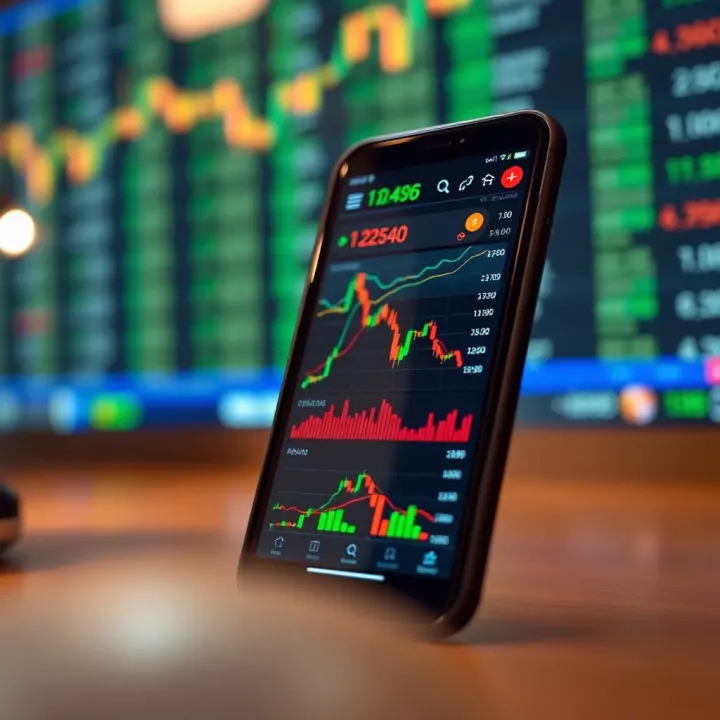
📊 Find the best trading app for Pakistani investors considering usability, security, regulation & cost-efficiency. Trade stocks safely with top Pakistan-friendly apps today!
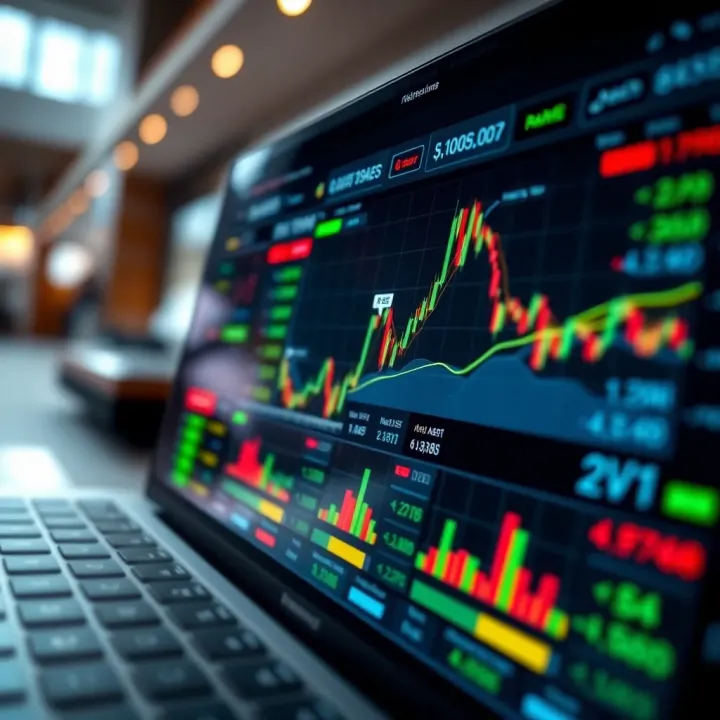
Discover how to pick the best online trading app in Pakistan 📱. Learn about features, fees, security, and usability to trade confidently and wisely in local markets.
Based on 10 reviews