
Best Trading Apps for Traders in Pakistan
📊 Explore top trading apps worldwide with a focus on Pakistan. Compare fees, security, tools, and support to find the best option for your trading needs.
Edited By
Ethan Price
Forex trading systems are the engines behind many successful currency trades. These systems guide traders through complex currency markets, helping them spot opportunities, manage risk, and execute trades with confidence. Whether you are a seasoned investor or just starting, understanding how these systems work is vital to building a profitable strategy.
At its core, a forex trading system combines a set of rules, tools, and indicators aimed at making trading decisions more objective and less emotional. In Pakistan, where currency fluctuations often reflect global events as well as local factors like rupee depreciation, having a reliable system can make a noticeable difference. For example, a trader using a trend-following system might focus on the USD/PKR pair by analysing moving averages to catch major price movements.
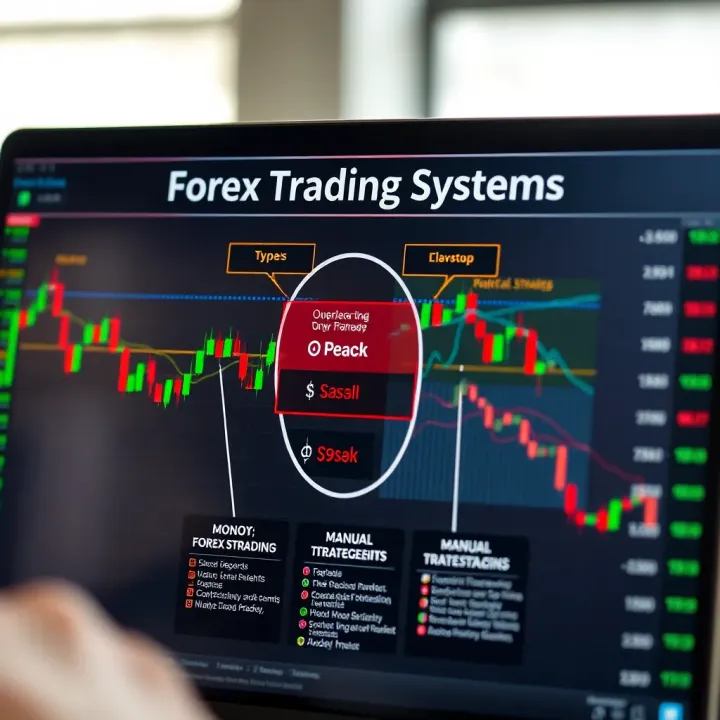
Trading systems vary widely, but most fall into a few categories:
Manual systems: Traders analyse charts and indicators themselves before making calls.
Automated systems: Software executes trades based on programmed criteria without human intervention.
Hybrid systems: A mix of automated alerts and manual confirmation.
Choosing the right type depends on your trading style, risk appetite, and experience. For instance, automated systems suit those who can't monitor the market constantly, while manual systems offer more flexibility but require more time and skill.
Effective forex systems do not guarantee profits, but they reduce guesswork and help manage risks systematically.
In upcoming sections, we’ll break down what factors to consider when selecting a forex trading system, practical steps for implementation, and how to manage risks effectively. This will empower Pakistani traders to navigate forex markets with more confidence and less uncertainty.
Grasping how forex trading systems operate is essential for anyone serious about currency trading. These systems provide structured approaches that help streamline decision-making in the fast-moving forex market. For traders in Pakistan or abroad, understanding these frameworks can separate impulsive guessing from calculated moves, ultimately saving time and money.
Forex trading systems are defined sets of rules that guide when and how to enter or exit trades in the currency market. At their core, these systems combine various components such as entry signals, exit rules, and money management techniques. For example, a system might dictate buying the US dollar when it crosses above a particular moving average and selling when it dips below a certain stop-loss threshold.
These systems help traders maintain discipline by providing clear criteria instead of relying solely on gut feeling. In Pakistan’s forex environment, where currency volatility can be high due to geopolitical and economic factors, having such a structured system helps to manage risk more efficiently.
The role of forex trading systems extends beyond just rules; they serve as the backbone for consistent strategy execution. A well-defined system enables traders to react to changing market conditions swiftly and avoid emotional decision-making. For instance, a trader might avoid chasing after a rapidly rising currency if their system signals it’s overbought, potentially saving a loss.
Forex trading systems can be implemented either manually or through automation. Manual trading means the trader reviews signals and decides when to act, which allows for human judgment but can introduce emotional bias. Automated systems, often called Expert Advisors (EAs), run on software platforms to execute trades automatically based on pre-set criteria.
In the Pakistani market, automation is gaining popularity because it helps to avoid common pitfalls like second-guessing or missed opportunities during volatile sessions. However, automated trading requires reliable technology and thorough testing to avoid system errors, especially during sudden market swings.
At the heart of a forex system lies signal generation and execution. Signals are generated through specific indicators, patterns, or events that trigger buy or sell decisions. For example, a moving average crossover can signal a trend change prompting a trade.
Once a signal is generated, the system executes the trade either manually by the trader or automatically via software. Efficient execution ensures the trade aligns closely with the signal, which matters in forex given how quickly prices can shift.
Types of analysis form the foundation for signal generation. Technical analysis studies price charts and identifies patterns or statistical trends, while fundamental analysis reviews economic reports, interest rates, or political events affecting currencies. Pakistani traders often combine both methods to navigate unique market conditions, such as SBP interest rate announcements or geopolitical developments affecting PKR.
Lastly, integration with trading platforms is key to the smooth running of these systems. Popular platforms like MetaTrader 4 and MetaTrader 5 enable both manual and automated forex trading. They support charting tools, algorithmic trading scripts, and easy order placement, all necessary for executing forex systems effectively. In Pakistan, robust internet connectivity and platform familiarity play a big role in how well traders can implement these systems.
Forex trading systems transform complicated currency markets into manageable, rules-based processes that suit both beginners and experienced traders. Choosing the right system, understanding its mechanics, and integrating it well into trading platforms can directly impact your success in forex.
Understanding these elements sets you up to approach forex trading not as a gamble but as a disciplined business.
Choosing the right type of forex trading system is essential for aligning your strategy with personal goals and market conditions. Each system offers a unique approach, whether you prefer following trends, spotting reversals, automating your trades, or employing rapid-entry strategies like scalping.
Trend following systems seek to capitalise on sustained price movements in one direction. Their principle is simple: buy when the market is rising and sell when it’s falling. This approach fits well with traders who prefer longer holding periods and avoid market noise. For instance, if the PKR/USD pair shows a steady upward trend, trend followers take positions accordingly.
Popular indicators help traders identify these trends effectively. Moving Averages (MA) are widely used, smoothing price data to highlight the dominant direction. The 50-day and 200-day MAs often signal buy or sell zones when they cross, known as the golden or death cross. Additionally, the Average Directional Index (ADX) measures trend strength, helping decide when to stay in the trade or lock profits. Pakistani traders often use MetaTrader’s built-in indicators for such analysis, combining them for better insight.
Counter-trend systems aim to enter trades at market turning points, betting on reversals rather than continuation. Techniques like identifying overbought or oversold conditions using Relative Strength Index (RSI) help traders spot these reversals. For example, in a rising EUR/PKR, if RSI crosses above 70 indicating overbuying, a counter-trend trader might prepare to sell anticipating a dip.
However, this strategy carries more risk, as markets can remain overbought or oversold longer than expected. The benefit lies in capturing quick profits before the new trend fully develops. Careful risk management and confirmation through multiple signals reduce the chances of false entries.
Automated systems use programmed algorithms to enter and exit trades without manual intervention. These Expert Advisors (EAs) follow predefined rules based on indicators or price action. In Pakistan, MetaTrader 4 and 5 remain the popular platforms for deploying such EAs due to their compatibility and user community.
While they offer consistent execution and can operate 24/7, limitations include the inability to adjust to unexpected market news or sudden volatility. EAs perform best in stable conditions and require regular monitoring to avoid losses caused by market shifts or broker issues.
Grid trading involves placing buy and sell orders at set intervals above or below a price, aiming to profit from market fluctuations regardless of direction. This method can generate steady returns but requires sufficient capital to withstand drawdowns, making it suitable for more experienced traders.
Scalping, on the other hand, focuses on making many small trades to capture minor price changes. Scalpers in Pakistan often trade during high liquidity hours, like London or New York sessions, using tight stop-losses and fast execution. The success of scalping depends heavily on broker spreads and execution speed, making broker choice critical.
Understanding these system types helps you pick one that fits your risk appetite, capital, and trading style. It's always wise to test in demo accounts before committing real funds.
Choosing the right forex trading system is key to consistent success in the currency markets. It directly affects your ability to manage risk, time your trades, and ultimately secure profits. Different systems suit different trading styles, risk appetites, and market conditions. A mismatch can lead to missed opportunities or losses. Therefore, evaluating your personal preferences, testing the system’s performance, and ensuring broker compatibility are essential steps before committing any capital.
Your trading style largely determines which forex system will work best. Short-term traders often prefer systems that focus on quick entries and exits, like scalping or day trading methods. For instance, a Pakistani trader using a scalping strategy might focus on volatile currency pairs like USD/PKR during market hours with quick profit targets.
On the other hand, long-term traders lean towards systems that capitalise on broader market trends and hold positions for days or weeks. A long-term approach suits those who can afford to wait out short-term fluctuations, such as investors relying on fundamental analysis of economic indicators in Pakistan or abroad.
Understanding how much risk you’re comfortable with helps in selecting a compatible system. Conservative traders usually opt for systems with tight stop-loss levels and moderate profit targets, reducing potential drawdowns. For example, a risk-averse trader allocating Rs 1 lakh in forex might choose a system that limits maximum daily loss to 1-2%.
Conversely, aggressive traders might tolerate larger swings in exchange for higher returns. They often use systems with wider stop-losses or higher leverage, but this approach demands careful capital management. Knowing how much money you can allocate safely prevents overexposure and emotional decision-making.
Testing a system on historical data (backtesting) allows you to see how it would have performed during past market conditions. However, backtesting alone isn’t enough. Forward testing, or paper trading in real markets without risk, helps confirm if the system performs well under current market dynamics, including spreads and latency.
For example, a trader in Lahore might backtest a trend-following system for USD/EUR during past months and then run it on a demo account with a broker offering low spreads to spot any gaps.
Many forex products promise astronomical returns. It’s important to be cautious and realistic. No system guarantees profits without risk or losses. Genuine systems present their performance transparently, including drawdowns and losing periods.
You should view claims like “double your money weekly” skeptically. Instead, focus on consistent, moderate growth and how the system manages losses.
Keeping realistic expectations avoids frustration and protects your capital over the long term.
The broker you use can make or break your forex system’s effectiveness. A strategy that relies on fast trade execution suffers if your broker has slow order processing or wide spreads, especially in volatile markets like during Pakistan’s Eid trading season.
Choose brokers well-known for rapid execution and tight spreads on your preferred currency pairs to reduce slippage and cost.
Trading through brokers regulated by reputable bodies adds a layer of protection. For Pakistani traders, selecting brokers registered with the Securities and Exchange Commission of Pakistan (SECP) or recognised international regulators ensures better security of funds.
Unregulated brokers might offer tempting bonuses but carry higher risks of fraud or withdrawal issues. Safety of the trading account should always come first.
In summary, taking the time to match a forex trading system with your style, verifying its track record, and picking a compatible, trustworthy broker helps build a foundation for your trading success.
Implementing forex trading systems in Pakistan comes with unique challenges and opportunities. Understanding local market conditions, payment options, and regulations greatly improves the chances of smooth trading experiences. For Pakistani traders, it’s not just about picking any system but adapting to the local ecosystem including brokers, local payment methods, and compliance with authorities.
Choosing the right broker is key. Pakistani traders often look for brokers offering reliable execution speeds, low spreads, and support for PKR transactions. Many international brokers accept Pakistani clients, but a few local or regional brokers tailor services specifically for Pakistan’s market. Traders should check the broker’s regulatory status, preferably those regulated by respected global bodies like FCA or CySEC, alongside local approvals. For instance, brokers offering MetaTrader 4 or 5 with low latency servers close to Pakistan tend to reduce slippage and enhance execution quality.
Platforms like MetaTrader 4 (MT4), MetaTrader 5 (MT5), and cTrader dominate the trading scene here. MT4 remains popular due to its user-friendly interface and wide support for Expert Advisors (EAs) used in automated trading. MT5, while newer, provides extra features like more timeframes and improved analytical tools, helpful for detailed market study. cTrader appeals to traders wanting advanced charting and order management. All are accessible via desktop, mobile, or web, allowing Pakistani traders to adjust positions conveniently on the go.
Using local payment services like JazzCash and Easypaisa for funding forex accounts simplifies transactions drastically for Pakistanis. It lessens reliance on international wire transfers, which can be costly and slow. Some brokers have integrated these options allowing quick PKR deposits and withdrawals. This ease encourages disciplined trading because money flows are smoother and easier to track.
Most forex trading happens in USD pairs, so converting PKR to USD smoothly can affect your trading performance. Pakistan’s fluctuating exchange rates and conversion fees can eat into profits if not handled cautiously. Traders often use approved forex dealers or rely on brokers offering competitive conversion rates and transparent fee structures. Understanding when to convert, especially during periods of PKR volatility, helps avoid unnecessary losses.
The State Bank of Pakistan (SBP) regulates forex transactions, ensuring legal flow of currencies to avoid misuse. SBP guidelines affect how traders can fund accounts and repatriate profits back to Pakistan. For example, SBP mandates rules on foreign exchange conversions and requires documentation for large transfers. Knowing these helps traders stay on the right side of regulations and avoid legal trouble.
Forex trading profits in Pakistan are subject to income tax. Traders must report earnings in their tax returns and follow the Federal Board of Revenue (FBR) requirements. Failure to declare trading income may lead to penalties. Keeping detailed records of trades, transactions, and profits facilitates accurate tax filings. Consulting a tax professional familiar with forex trading is often wise.
Implementing a forex system requires practical steps rooted in local realities — from broker choice and payment options to adhering to financial regulations. Traders who manage these well gain a strong foundation for consistent trading.
This guidance helps Pakistani traders navigate forex systems effectively with confidence, making the most of their investments in a challenging but promising marketplace.
Managing risks is a vital part of forex trading systems. Without a clear risk strategy, even the best systems can lead to heavy losses. In Pakistan, where forex trading is gaining popularity among traders and investors, understanding risk management is essential to protect your capital and maintain steady growth.
Setting stop-loss and take-profit levels means deciding in advance at what price you will exit a trade, either to cut losses or to secure profits. This discipline prevents rash decisions during sudden market moves. For example, if you set a stop-loss at 50 pips below your entry, a sharp move against your position won’t wipe out your entire balance. Pakistani traders often overlook this step, leading to emotional exits that harm their trading record.
Successful traders aim for a balance between the potential reward and the risk involved in each trade. A common approach is a risk-reward ratio of 1:2 or higher, meaning you risk Rs 1 to potentially gain Rs 2. This method ensures that even if only half your trades succeed, you can still profit overall. Without such balance, a series of small wins may be erased by a single large loss.
Overtrading comes from deviating from a well-defined trading plan. This often happens when traders chase losses or try to capitalise on every market movement. Sticking to a plan with clear entry and exit rules helps you trade with discipline, avoiding unnecessary risks. For instance, a trader might decide to make no more than five trades per day or only act when certain technical indicators confirm a setup.
Forex trading tests a trader’s mental strength. Overconfidence after a winning streak or fear after losses can cloud judgment. Recognising these psychological traps is key to staying objective. Some traders keep a journal to track their emotions and decisions, spotting patterns that lead to poor trades. Awareness helps maintain calm and make rational choices, crucial in volatile markets.
Currency prices react quickly to economic announcements, political developments, and geopolitical tensions. For Pakistani traders, news related to US Federal Reserve interest rates, Pakistan’s economic data like inflation or the State Bank of Pakistan’s policy changes, can cause sharp price swings. Ignoring such news can expose traders to unexpected risks.
Using reliable sources to track market news is indispensable. Traders rely on platforms such as Bloomberg, Reuters, and Pakistan-specific sources for timely updates. Financial apps with push notifications or economic calendars help you prepare ahead of scheduled announcements. This readiness lets you adjust stop-losses or avoid trading during uncertain periods.
Successful risk management is not about avoiding risk but controlling it. Setting strict exit points, following a plan, recognising emotional pitfalls, and staying informed are your best defence in forex trading.
📊 Explore top trading apps worldwide with a focus on Pakistan. Compare fees, security, tools, and support to find the best option for your trading needs.
🔍 Find the best forex trading platform for Pakistani traders! Compare features, costs, security, and regulations to trade smart and safe in Pakistan's market.
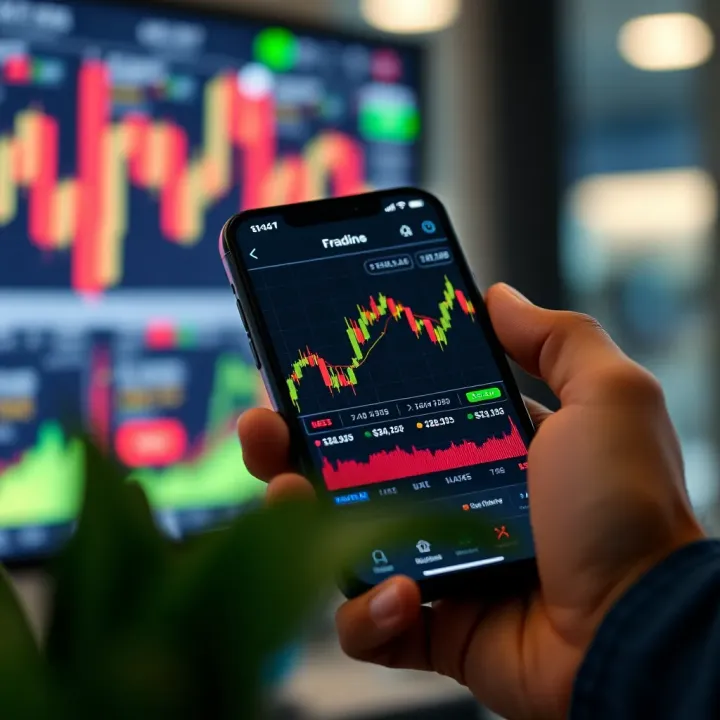
Find the best forex trading apps in Pakistan 📊. Compare features, safety, regulations, and payment options to pick the perfect platform for your needs.

Explore top forex trading apps 📱, discover smart tools 🛠️, ensure security 🔒, and get tips for beginners and pros in Pakistan's forex market 🌍.
Based on 12 reviews