
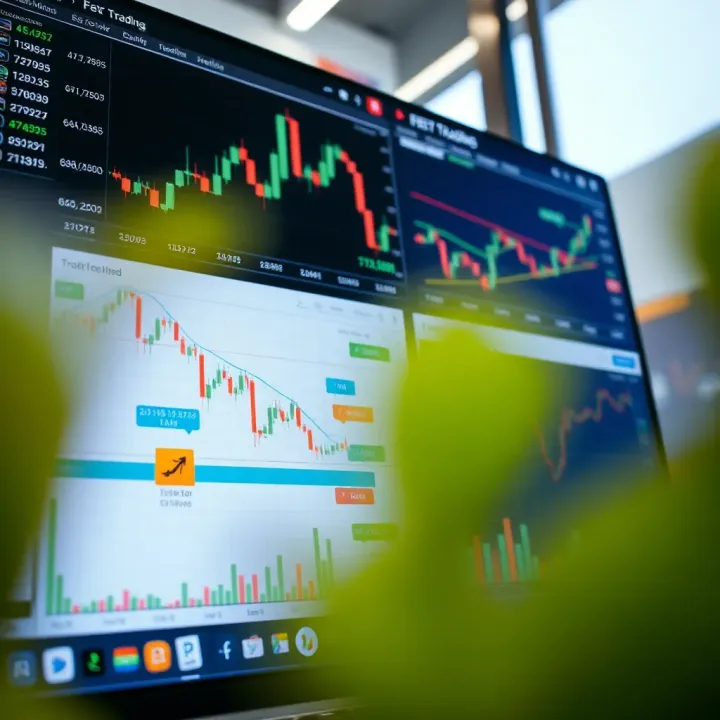
Best Forex Trading Platforms for Pakistani Traders
🔍 Find the best forex trading platform for Pakistani traders! Compare features, costs, security, and regulations to trade smart and safe in Pakistan's market.
Edited By
Charlotte Mason
Forex trading has gained popularity in Pakistan, attracting many who want to profit from currency fluctuations. But when it comes to Islamic finance principles, a common question arises: is forex trading halal or haram? Understanding the Islamic perspective requires a closer look at the nature of forex transactions, the concept of riba (interest), gharar (uncertainty), and the rules set by Shariah.
In general, Islamic finance prohibits earning profit through interest (riba) or engaging in highly speculative transactions that resemble gambling (maysir). Forex trading, depending on how it is conducted, can involve both elements. For example, if a trader relies on overnight leverage and pays or receives interest on positions held beyond a trading day, this element of riba becomes a concern.
The key is whether the forex trading contract is settled immediately (spot) or delayed (forward). Immediate exchange of currencies within the same transaction is usually permissible, while deferred contracts can be problematic under Shariah.
Most Islamic scholars agree that spot forex trading, where currencies are exchanged instantly with no delay, aligns better with Islamic teachings. However, practices like trading with leverage, or involving swaps and rollover fees, often make the transaction non-compliant.
Pakistani Muslim traders should pay attention to these points:
Avoid leveraged trading that incurs interest on overnight holdings.
Engage in spot forex trades that settle immediately, avoiding futuress or forwards contracts.
Ensure contracts are clear, with no excessive uncertainty or ambiguity.
There are brokers offering Islamic or swap-free accounts designed for Muslim traders by eliminating interest charges on overnight positions. Still, it’s important to verify that these accounts comply fully with Shariah principles and do not substitute one form of interest with hidden fees.
This discussion will further explore how Islamic finance views forex trading, providing useful guidance about what makes a transaction halal or haram. Pakistani traders and investors can use this understanding to make informed decisions that uphold their religious beliefs while navigating the forex markets.
Understanding the fundamentals of forex trading lays the groundwork for judging its compatibility with Islamic principles. These basics help clarify the nature of the transactions involved, the risks taken, and the structure of the forex markets. For Pakistani traders and financial analysts, knowing how forex works is essential before assessing whether trading aligns with Shariah guidelines.
Forex trading, or foreign exchange trading, involves buying and selling currencies. It is conducted in the largest financial market worldwide, operating 24 hours across different time zones. Traders exchange one currency for another aiming to profit from fluctuations in exchange rates. For example, a trader might buy the US dollar (USD) against the Pakistani rupee (PKR), expecting the dollar’s value to rise.
This process is not just limited to banks or large financial institutions; individual traders and businesses also participate for investment, hedging, or transactional purposes. The mechanics rely on speculation about currency value changes between countries based on economic indicators, geopolitical events, and market sentiment.
There are several types of forex transactions, each with distinct features:
Spot Transactions: These involve immediate exchange and settlement of currencies, usually within two business days. It reflects actual currency trade and is straightforward.
Forward and Futures Contracts: These transactions involve agreements to exchange currency at a future date and at a predetermined rate. They help in hedging but introduce elements of uncertainty and speculation.
Swaps and Options: These are more complex derivatives that allow traders to manage risk or speculate on currency movements without immediate exchange.
Understanding these types is critical because Islamic jurists assess the permissibility of forex trading partly based on the nature of these transactions.
Currencies are traded in pairs, known as currency pairs, which represent two different currencies. For instance, the EUR/USD pair shows how many US dollars are needed to buy one euro. The price movement depends on factors like interest rates, inflation, and economic stability in the respective countries. This pair-based trading system is practical as it ties the value of one currency to another, facilitating trade and investment worldwide.
Leverage and margin play a significant role in forex trading. Leverage lets traders control large positions with a small upfront investment, called margin. For example, with 1:100 leverage, a trader can control Rs 100,000 in currency for just Rs 1,000 margin. While leverage amplifies profits, it equally increases the risk of losses, sometimes beyond the initial investment.
This practice of using borrowed funds introduces concerns in Islamic finance because it may involve paying or receiving interest (riba), which is prohibited. Hence, Pakistani traders must understand how margin accounts work to avoid unintentional interest payments.
Trading forex involves real money transactions tied to global events, but the use of leverage and types of contracts can affect the trade’s nature in terms of Islamic law.
By grasping these fundamentals, traders can better navigate the complexities of forex markets and make decisions that respect Islamic guidelines while engaging effectively in global currency trade.
Understanding Islamic finance principles is essential when discussing the permissibility of forex trading. These principles ensure that financial activities do not violate Shariah law by avoiding prohibited elements like interest, excessive uncertainty, and gambling. For Pakistani traders and investors, knowing these key aspects helps to distinguish halal trading practices from haram ones.
Riba refers to any guaranteed interest or profit on loaned money, which Islam strictly forbids. In practical terms, it means that earning or paying interest in financial transactions is not allowed, as it creates an unfair advantage and exploitation. For example, taking a loan with a fixed interest rate or receiving rollover interest in forex trading would be considered riba.
The reason Islam forbids riba is that it encourages exploitation and causes social injustice. Instead of fostering genuine trade or investment, it guarantees income without risk, which contradicts the ethical principles of fairness and mutual consent. This prohibition impels Muslim traders to avoid any transaction involving interest, including interest-based swaps or overnight charges in forex markets.
Gharar means excessive uncertainty or ambiguity in contracts and transactions. Islam requires clear terms in trading to prevent disputes and unfair outcomes. In forex trading, this translates to clear ownership and immediate settlement of currencies. If a trade involves vague conditions or delayed payments that create uncertainty, it may not comply with Islamic principles.
Maysir refers to gambling or games of chance, where profits result solely from luck or speculation rather than productive economic activity. The line between speculation and trade is important here. Speculation involves taking high risks hoping for quick gains without real economic exchange, akin to gambling. On the contrary, trade involves actual ownership transfer and exchange of goods or services with clear terms and reasonable risk.
For forex trading to be halal, it should avoid both gharar and maysir by ensuring ownership of currencies traded, immediate settlement (spot trading), and avoiding excessive speculative behaviour. Pakistani traders should be mindful of these factors to ensure their activities align with Islamic finance principles.
By following these guidelines, Muslim investors can participate in the forex markets with confidence, balancing profit opportunities and religious compliance effectively.
Scholars hold an important role in guiding Muslims on financial matters, especially when modern trading methods like forex come into play. Their interpretations help clarify whether certain types of forex trading comply with Islamic law, offering practical steps for traders to follow. For Pakistani investors seeking halal trading options, these views set the framework to avoid forbidden financial practices.
Spot trading means exchanging currency instantly or within a very short period, typically two business days. Many scholars consider such immediate settlement as halal because it resembles classic currency exchange where possession switches hands without delay. For example, exchanging US dollars for Pakistani rupees in cash at market rate with no deferred payment is generally permissible.
Immediate settlement ensures there is no delay or risk of uncertainty, which are key Islamic finance concerns. In practice, traders should avoid deals where settlement drags out beyond the spot timeline, as that could raise questions of gharar (excessive uncertainty).
Islamic finance strictly prohibits riba, commonly understood as interest. In forex trading, this means avoiding transactions that involve interest-based charges, like rollover swaps often applied when holding positions overnight. Pakistani traders should check whether their platform charges such swaps and opt for swap-free accounts to stay compliant.
Speculation or excessive gambling-like behaviour is another red flag. Trading purely for quick profits based on price guessing with high risk undermines the ethical foundation of trade in Islam. Proper halal trading involves analyzing fundamentals rather than blind betting.
Ownership plays a key role in permissibility. Traders should transact with currencies they actually possess—not dealing in currencies on credit or borrowed funds. For instance, selling USD or EUR that you genuinely hold avoids doubtful contracts.
This condition helps prevent unjust enrichment and avoids transactions involving debt or delayed payment, which run counter to Islamic principles.
Dealing in currencies with payment or delivery postponed to a future date is often classified as haram. This delay increases uncertainty and risks, violating the requirement for immediate possession. In Pakistan’s forex market, if settlement terms extend indefinitely or beyond the spot standard, scholars generally discourage such dealings.
Traders should be cautious of platforms offering deferred settlements or allowing trading on unsettled balances, as it creates an interest-like environment forbidden in Islam.
Leveraged trading allows traders to control larger positions with smaller capital. Although attractive for potential profit, excessive leverage is risky and resembles gambling to many scholars.
For example, using 100:1 leverage means a small price movement can wipe out your account, encouraging reckless behaviour. This risk contradicts the Islamic aim to avoid gharar and unjust gains.
Pakistani traders preferring halal methods should limit leverage, choosing conservative ratios or none at all.
Forex trading carries inherent risks, but when traders gamble on price swings without genuine market analysis, it mimics maysir (gambling), which Islam forbids.
If trading becomes a pointless game of chance rather than a calculated economic activity, it is deemed haram. Platforms encouraging constant short-term bets with random outcomes are especially problematic.
Traders should adopt ethical, informed strategies, focusing on real market factors rather than speculation alone.
Understanding these scholarly views empowers you to navigate forex trading in a way that respects Islamic teachings while opening opportunities within Pakistan's financial markets.
Navigating forex trading within Islamic principles requires practical steps to ensure compliance with Shariah law. Pakistani traders often face challenges distinguishing halal trading practices from haram ones due to the complexity of forex markets and varied brokerage offerings. Practical guidelines provide clear criteria for choosing platforms and managing trades ethically while avoiding prohibited elements like interest (riba) and gambling (maysir).
Selecting a Shariah-compliant forex platform is essential for Muslim traders. Such platforms avoid interest-based transactions and do not offer services that involve prohibited elements under Islamic finance. For instance, many conventional brokers provide swap or rollover accounts involving overnight interest payments, which goes against Islamic law. Traders should look for brokers who explicitly advertise "Islamic accounts" or "swap-free accounts," which structure transactions to comply with Islamic jurisprudence.
Platforms regulated by recognised financial authorities that cater to Muslim clients, often in the Gulf or Malaysian markets, may provide transparency and adherence to Shariah standards. Pakistani traders should verify the broker’s policy on this to avoid unintended involvement in riba.
Swap or rollover fees occur when positions are held overnight, leading to interest charges or credits, depending on the currency pair. In Islamic finance, earning or paying interest is prohibited. This makes the common rollover fee in forex a red flag.
To steer clear, traders should use swap-free accounts that waive overnight fees entirely or restructure trading to close positions within the same day, avoiding overnight exposure. For example, a trader in Lahore using an international broker should confirm the account type and request a swap-free option if interested in halal trading. This seemingly small detail safeguards against unintentional riba, keeping the practice within Islamic boundaries.
Using high leverage magnifies both profits and losses. Islamic scholars warn against excessive leverage because it borders on gambling (maysir), which Islam forbids. In Pakistan, some brokers offer leverage as high as 1:500, which increases risk unreasonably.
To align with Islamic principles, traders should use modest leverage—say 1:10 or 1:20—and focus on well-researched trades. This practice reduces risks of unjust loss and contributes to responsible investing. Limiting leverage also protects capital during uncertain market moves, a practical way to honour the Islamic emphasis on fairness and avoiding harm.
Honesty and clarity are fundamental in Islam, so traders must engage in transparent dealings. This means clear disclosure of fees, risks, and trade procedures by brokers. Pakistani traders should avoid brokers with hidden charges or opaque terms.
Additionally, ethical trading means avoiding manipulative tactics such as market abuse or insider information. Treating trading as a legitimate business, not gambling, maintains the ethical standards set by Shariah. For example, consistently recording trades and understanding market conditions contribute to transparency and moral responsibility.
Trading forex in a halal manner is not only about avoiding forbidden elements but embracing ethical responsibility and informed decision-making.
By following these practical steps on platform choice and risk management, Pakistani Muslims can participate in forex markets with confidence that their trading respects Islamic values while also aiming for financial growth.
The conclusion plays a key role in bringing together insights gathered throughout the discussion on whether forex trading is halal or haram. It guides you to weigh the benefits of trading opportunities against Islamic principles carefully. Understanding these elements helps Pakistani traders and investors avoid unintentionally crossing ethical or religious boundaries.
Successful participation in forex trading while staying within Islamic guidelines involves striking the right balance between financial opportunity and religious compliance. Forex markets can offer attractive returns, but traders need to ensure their transactions avoid forbidden elements like riba (interest) and excessive speculation. For example, opting for spot trading with immediate settlement and using platforms that do not charge interest on rollover positions help maintain compliance.
This balance prevents traders from chasing high-risk deals purely for quick profits, which could resemble gambling (maysir). Instead, it encourages disciplined trading based on ownership of currencies and transparent transactions, making it possible to benefit without compromising faith.
Islamic rulings may vary somewhat based on individual situations. It is crucial to consult knowledgeable Islamic scholars familiar with modern financial instruments to get advice tailored to your circumstances. For instance, a scholar might clarify how specific leverage options or trading products align with Shariah given your trading style and financial goals.
This personalised guidance ensures you don't rely solely on general opinions but understand how to navigate the complex aspects of forex trading without doubt or reservation. Local scholars or councils who understand Pakistan's financial and social contexts often provide the most practical counsel.
Making an informed decision requires combining sound knowledge of Islamic finance principles with practical advice suited to your own trading setup. This careful approach protects both your investments and your faith.
By following these guidelines, you can participate in forex trading responsibly and confidently, keeping your financial activities religiously and ethically in line. This approach secures peace of mind and helps build a sustainable trading practice.
🔍 Find the best forex trading platform for Pakistani traders! Compare features, costs, security, and regulations to trade smart and safe in Pakistan's market.
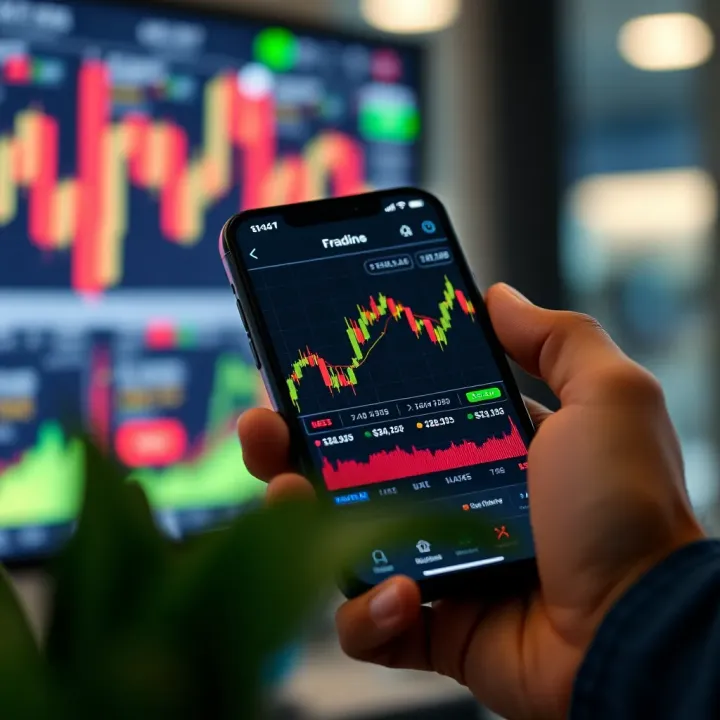
Find the best forex trading apps in Pakistan 📊. Compare features, safety, regulations, and payment options to pick the perfect platform for your needs.

Explore top forex trading apps 📱, discover smart tools 🛠️, ensure security 🔒, and get tips for beginners and pros in Pakistan's forex market 🌍.
Learn how to pick the best Forex trading indicators 📈 for your strategy. Discover types, popular options & tips to improve your market moves.
Based on 10 reviews